

SATIVA CBD FLOWER UK
Narrow-leaf genetics with bright, citrus-led terpene profiles. The strains people have long reached for in the daytime.
Sativa CBD Flower UK Products
 USA
USA
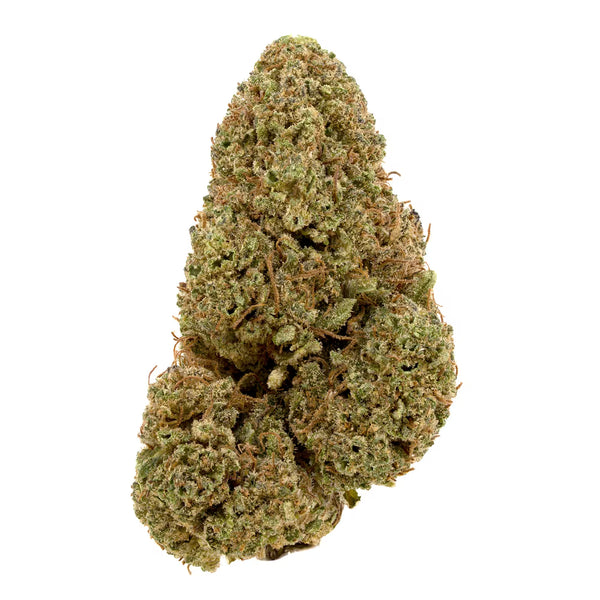
Sour Lifter CBD Flower Sun grown
Sour Citrus • Gas • Chemical
 Greece
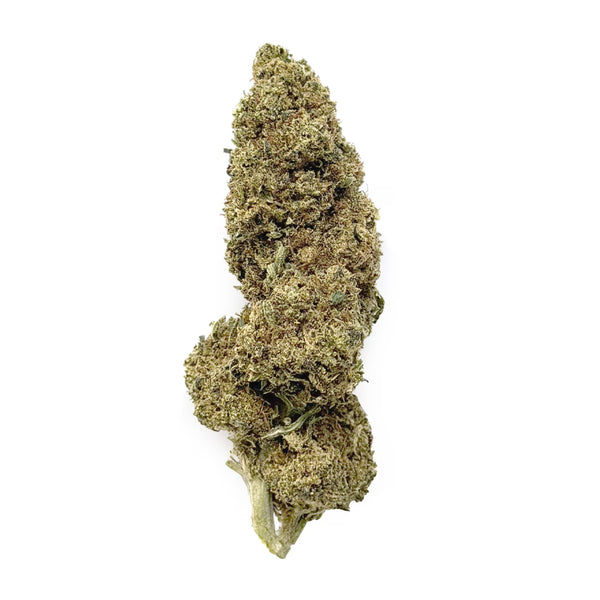
Amnesia CBD Flower - Glasshouse
Lemon Citrus • Haze Spice • Earthy
 Greece
Harle-Tsu CBD Flower - Greenhouse
Earthy Pine • Woody Spice • Citrus
 USA
USA
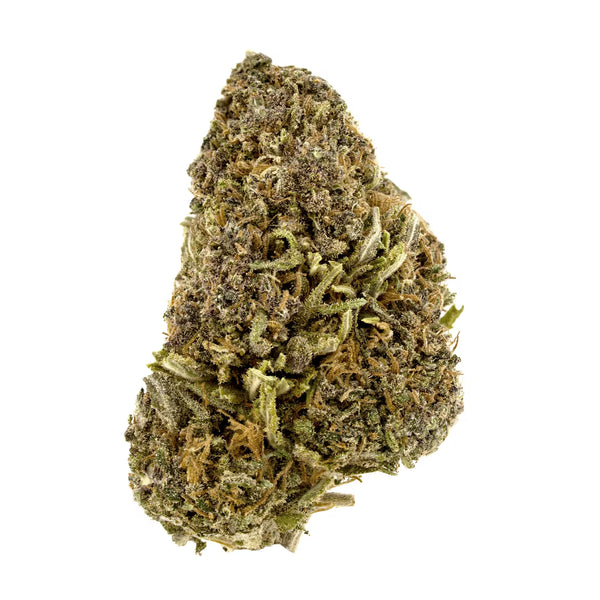
Rainbow Sherbet CBD Flower Sun grown
Citrus • Fruity • Gassy
 Switzerland
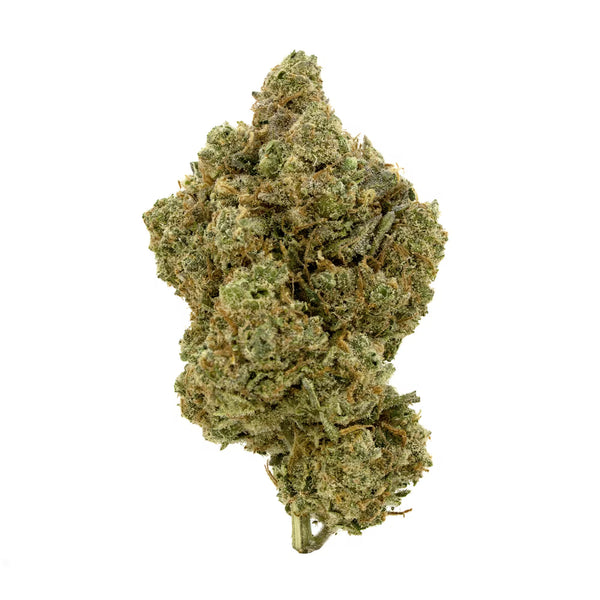
Amnesia Haze CBD Flower
Lemon • Spiced • Earthy Haze

SATIVA, EXPLAINED
A useful starting point, not a promise about how a strain lands. Here's what the label still tells you.
Learn More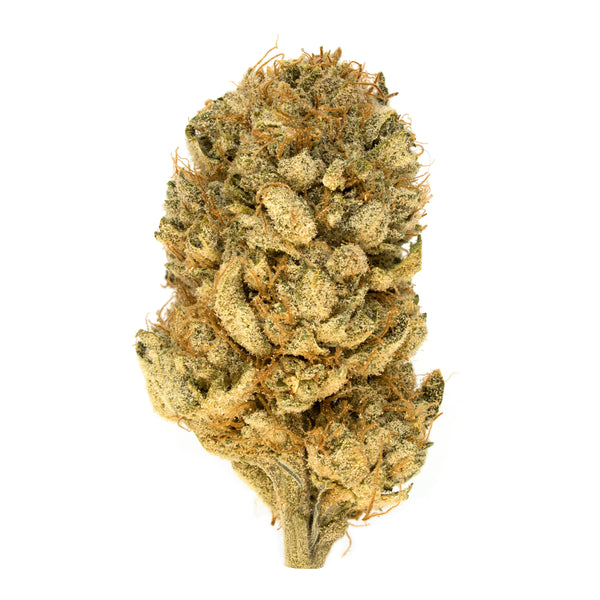 USA
USA
Lemon CBG Flower
Lemon • Floral • Fresh
 Switzerland
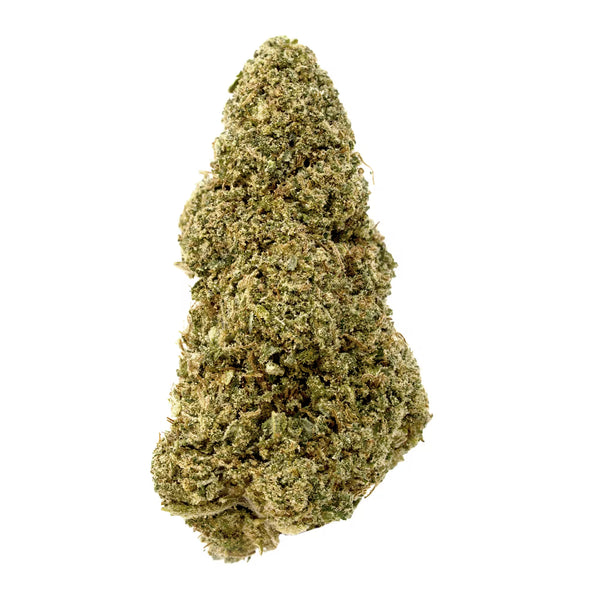
Super Lemon Haze CBD Flower
Lemon • Lime • Grapefruit
 USA
USA
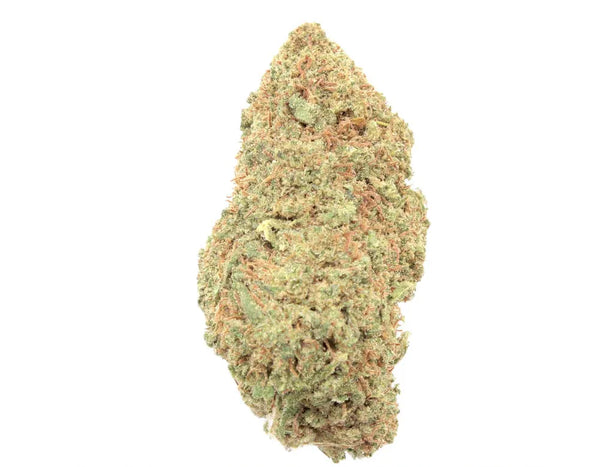
Sour Lifter CBD Flower
Sour Citrus • Grape • Diesel
 USA
USA
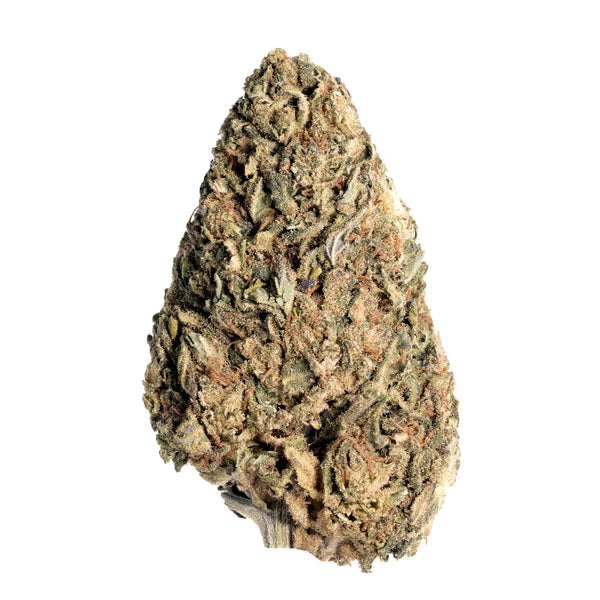
Super Sour Space Candy CBD Flower
Sour Grapefruit • Sweet Berry • Gassy
Trusted by CBD Customers Across the UK
Originals is a UK CBD shop built on doing things properly. Every review below is from a verified UK buyer, in their own words.
SATIVA, EXPLAINED
What sativa CBD flower actually means
Sativa is the other half of the old indica/sativa split. Like indica, it's really a description of a type of plant: where it grew, how it grows, and the kind of buds it tends to produce. It's a useful signpost, not a guarantee of how a strain will land. And like indica, the line has been blurred by decades of crossbreeding, so most flower you'll meet is a hybrid leaning sativa rather than a pure landrace. Here's what the label genuinely tells you.
Part of the full CBD flower range — everything we stock, across all strains, grow methods, and price points.
Where the sativa label comes from
Sativa traces back to the tall, narrow-leaf plants that grew nearer the equator, across parts of Africa, Southeast Asia and Central America. Long to finish, lanky, with airier buds than their stocky indica cousins. There's a reason for the shape: in warm climates with a long, generous growing season, plants could afford to stretch tall and flower slowly, so growers selected for exactly that. Generations of that work in long-season heat shaped the genetics most sativa-leaning strains still draw on today. When a strain is called sativa-leaning, that's the family tree it's pointing at.
The terpenes you tend to find
Sativa-leaning flower often carries limonene, pinene and terpinolene, the terpenes behind those bright, citrus, sharp and fresh aromas. Think lemon peel, pine needle, a clean herbal snap. Super Lemon Haze and Amnesia Haze are textbook examples of that loud, zesty character, with limonene pushing the citrus right to the front. Sour Lifter leans into the sharper, sourer end of the same family. None of this is a fixed rule. The dominant terpenes are listed on every product page, so you can check rather than trust the one-word label.
The daytime association
There's a long tradition of treating sativa as the daytime or anytime choice. It's how growers, smokers and reviewers have framed it for decades, and a lot of our customers shop it that way out of habit and preference. That's a cultural association, not a claim about what the plant does to you. The flavour-chasers among us just like having something brighter and sharper to reach for. The way to read it: the narrow-leaf strains tend to carry those zesty, fresh terpene profiles, and that lively character is what people have come to link with the daytime.
Bud structure, and what to look for
That equatorial heritage shows up in the bud. Sativa-leaning flower tends to grow looser and wispier than dense indica, with longer, tapering buds rather than tight little nuggets. A lighter structure isn't a fault, it's just the shape these plants throw, and it's part of why a good sativa can fill a room with aroma so quickly. When you're choosing, don't read a looser bud as weaker bud. Look at the trichome coverage and the cannabinoid breakdown on the page, which tell you far more than density alone.
Sativa-leaning strains in our range
You'll find sativa-leaning genetics across the collection. Super Lemon Haze and Amnesia Haze sit in the classic haze camp, while Sour Lifter brings a sharper, sourer twist on the same airy heritage. Open any product page and you'll see the three things we list on everything we sell: the dominant terpenes, the cannabinoid breakdown, and the genetics and origin. Read those, then pick on character rather than on a label. The label gets you in the right aisle. The page tells you what's actually in the bag.
Sativa at a glance
FREQUENTLY ASKED QUESTIONS
"Daytime" is a long-standing cultural and flavour tradition, not a claim about what the plant does. People associate the brighter, zestier sativa terpene profiles with daytime use and shop it that way by habit. We can't and won't tell you it affects you in any particular way.
It comes down to the plant's equatorial heritage. Sativa-leaning plants evolved to stretch tall and flower slowly in long, warm seasons, which produces longer, airier buds. A looser structure is normal for the type and doesn't mean lower quality, so check the cannabinoid breakdown rather than judging by density.
Sativa-leaning flower often carries bright, citrus and fresh aromas driven by limonene, pinene and terpinolene, with notes like lemon peel and pine. Hazes such as Super Lemon Haze are textbook examples. The dominant terpenes are printed on every page so you can check before buying.
True landrace sativas exist but are rare on the modern market, because decades of crossbreeding mean almost everything is a hybrid leaning one way. The genetics and origin section on each product page names the lineage a strain draws on, which is the honest version of where it sits.