

INDICA CBD FLOWER UK
Broad-leaf genetics with deep, earthy terpene profiles. The strains people have long reached for in the evening.
Indica CBD Flower UK Products
 USA
USA
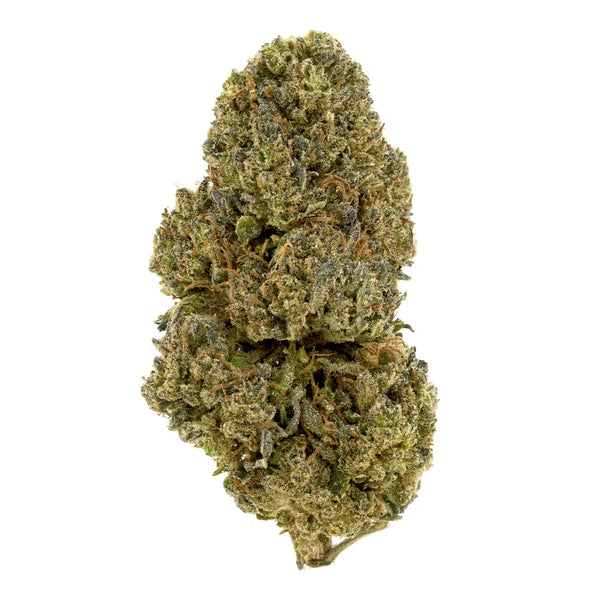
Royal OG CBD Flower Sun grown
Lemon • Woody • Sweet Candy
 Switzerland
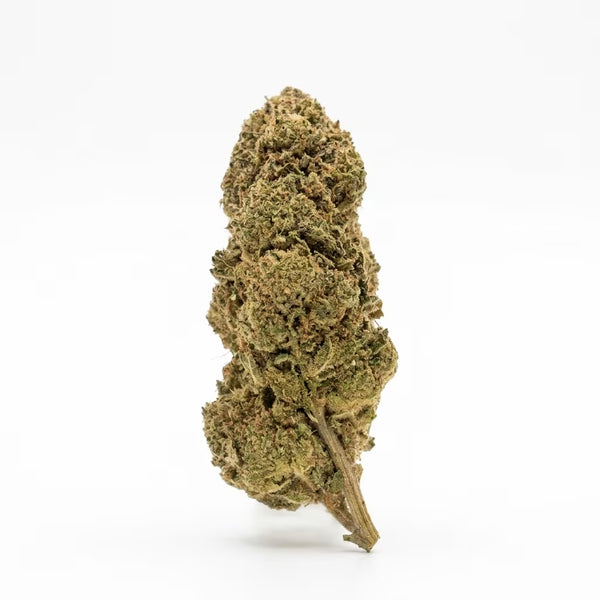
Snowflake CBD Flower
Citrus • Gassy • Sweet Pine
 USA
USA
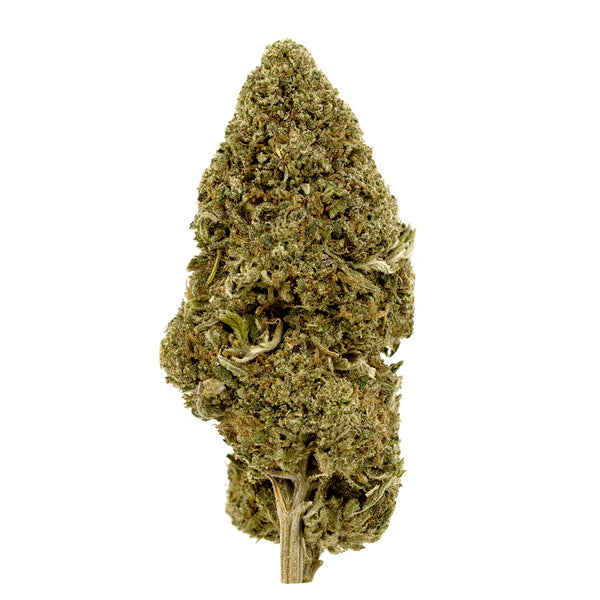
Lavender Cupcakes CBD Flower Sun grown
Chocolate • Earthy • Berry
 USA
USA
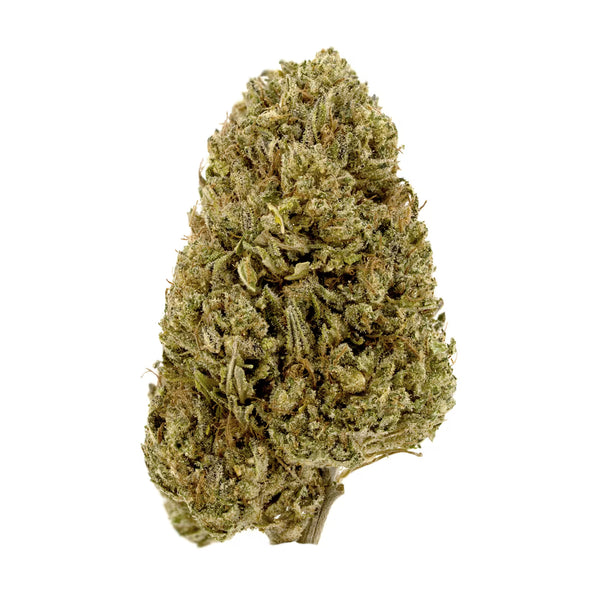
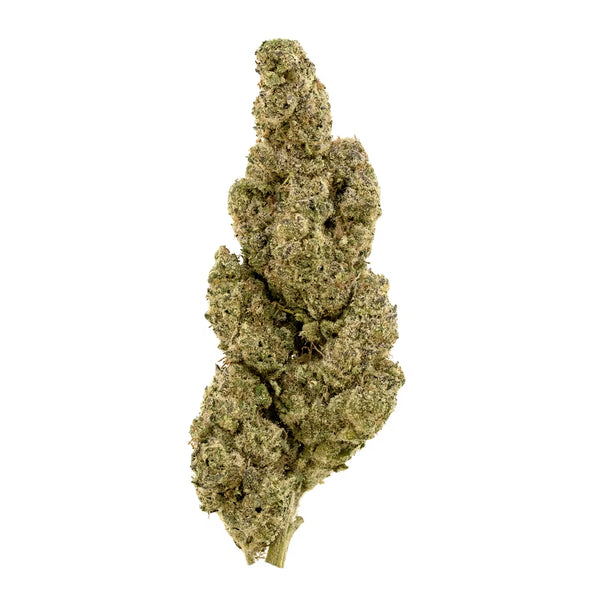
Lemon Octane #13 CBD Flower Sun grown
Lemon • Gas • Citrus
 Switzerland
Plutonium CBD Flower
Tropical • Pine • Earthy

INDICA, EXPLAINED
The label gets you to the right neighbourhood. The page tells you which door to knock on.
Learn More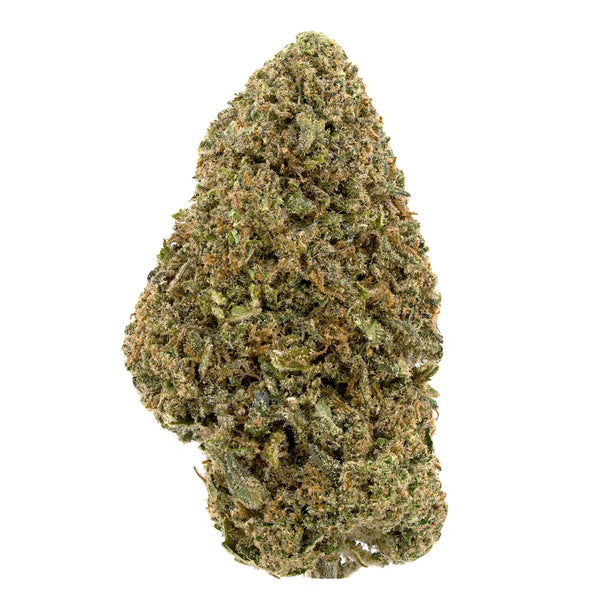 USA
USA
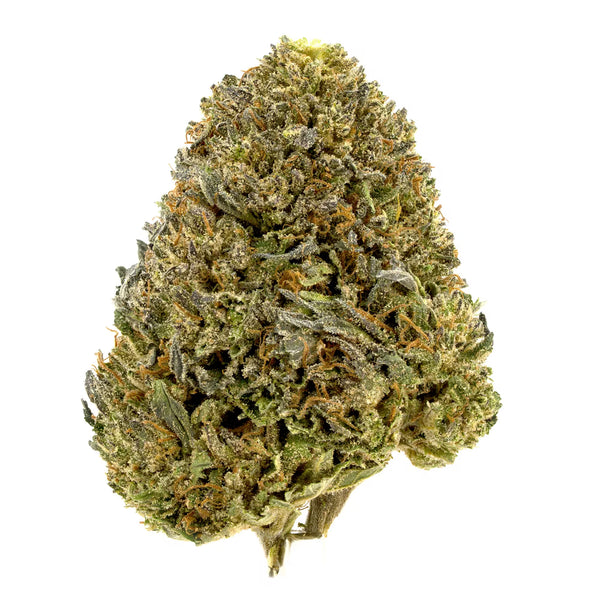
Critical Berries CBD Flower Sun grown
Berry • Spiced • Forest Earth
 USA
USA
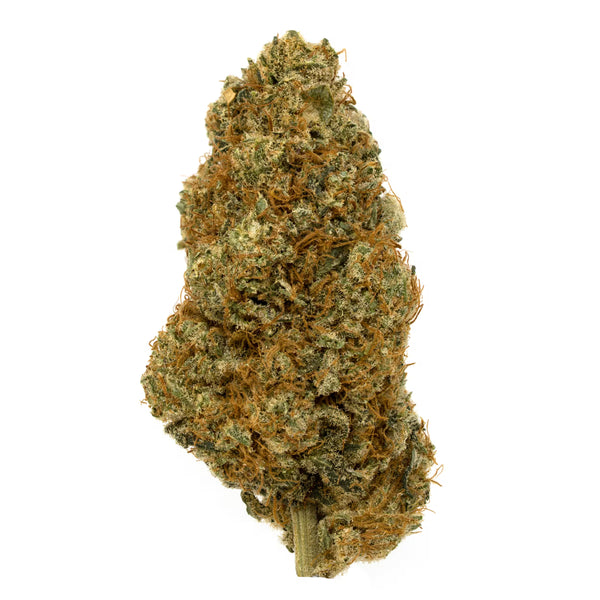
Bubba Kush 59 CBD Flower Sun grown
Earthy • Skunky • Magnolia
 USA
USA
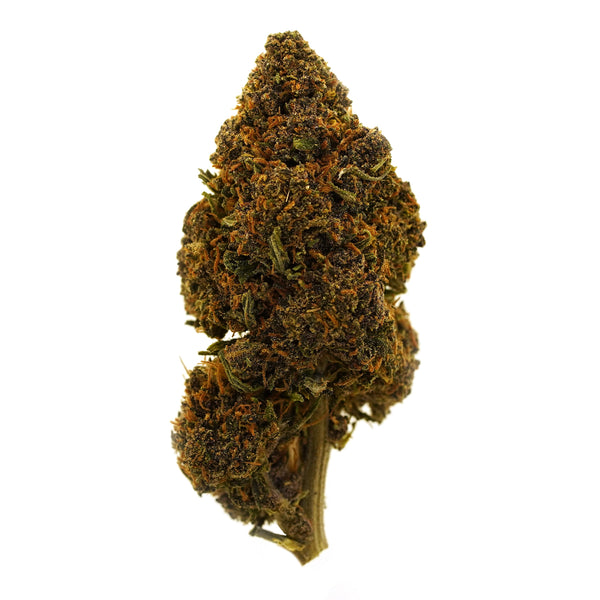
Grape Kush CBD Flower
Grape • Spiced • Earthy
 USA
USA
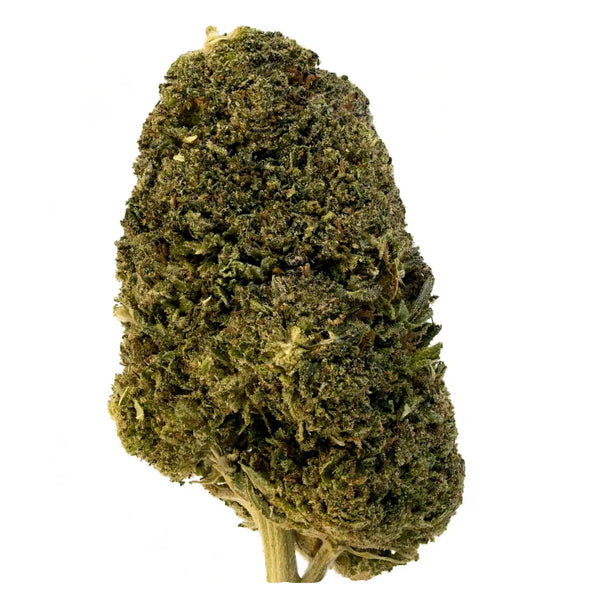
Sapphire Kush CBD Flower
Raspberry • Mandarin • Floral
 USA
USA
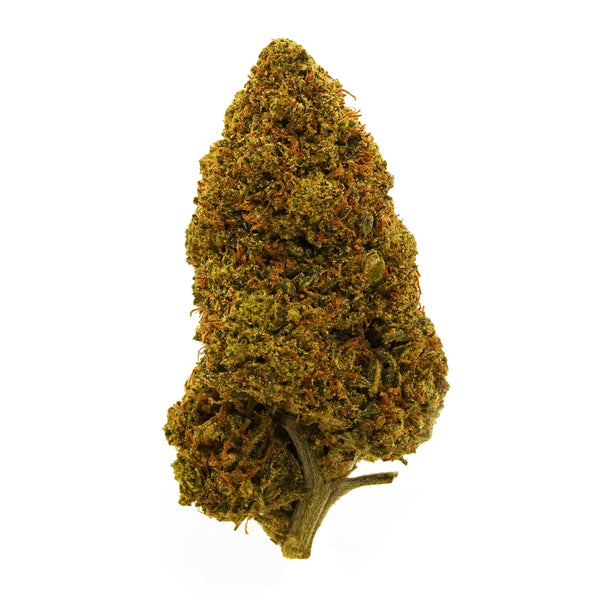
Bubba Kush 12 CBD Flower
Earthy • Coffee • Spiced
 USA
USA
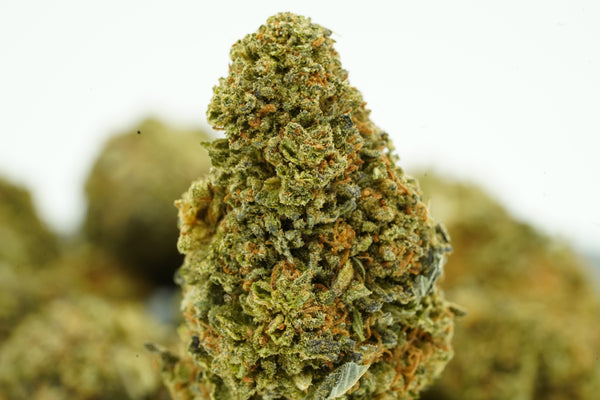
Raspberry Bear Claw CBD Flower
Raspberry • Candy • Cookie
 USA
USA
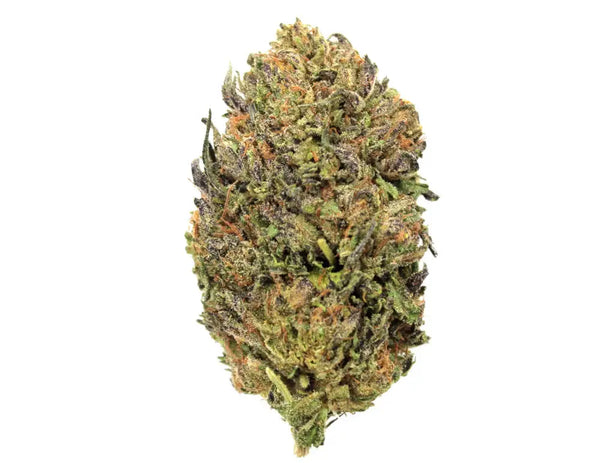
Legendary Kush CBD Flower
Earthy • Pine • Citrus
 USA
USA
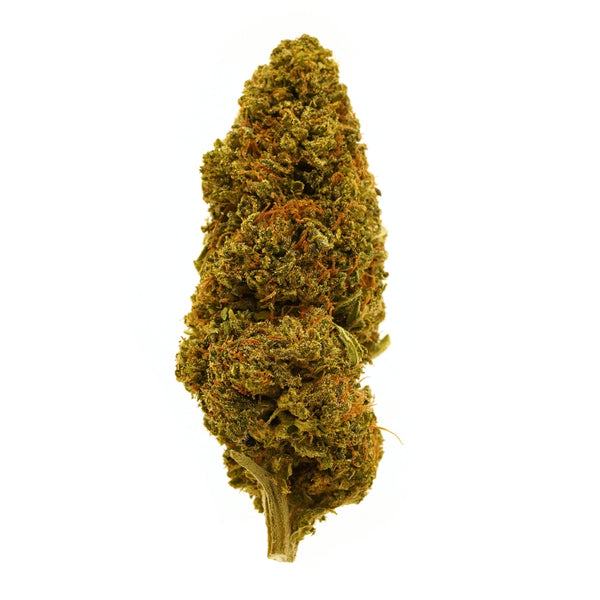
Bubba Kush 59 (Machine Trimmed) CBD Flower
Earthy • Coffee • Spiced
 USA
USA
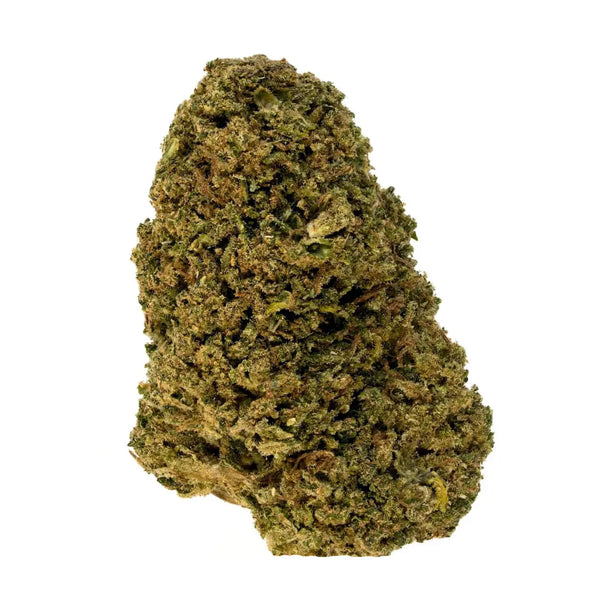
Legendary Banana Mac CBD Flower
Banana • Vanilla • Spiced
 USA
USA
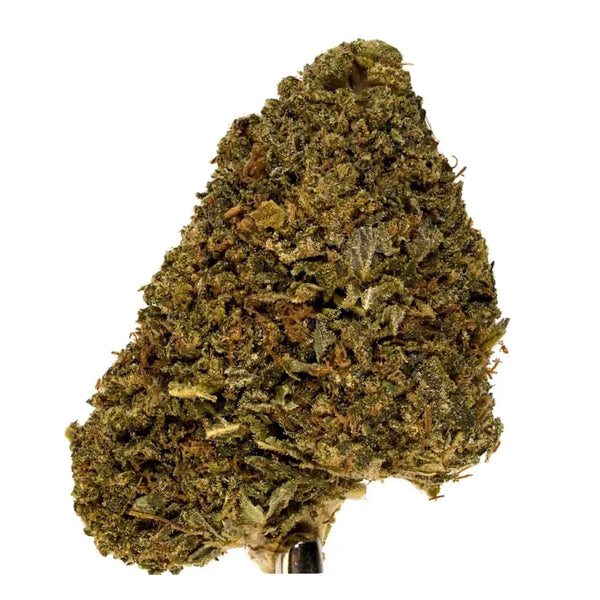
Critical Berries CBD Flower
Berry • Spiced • Earthy
 USA
USA
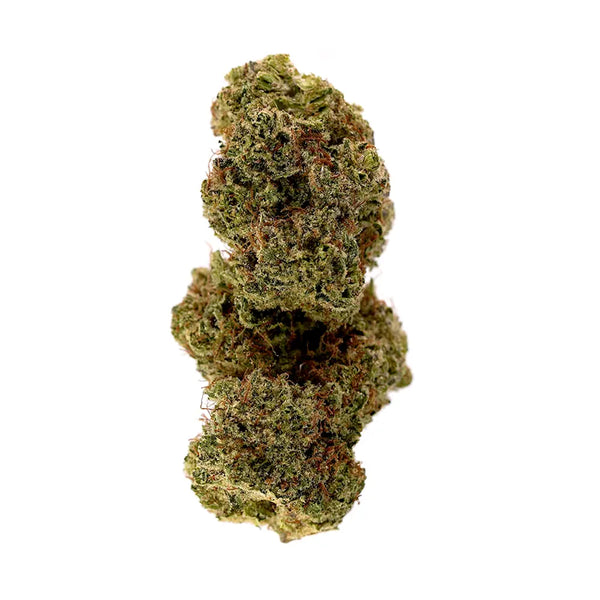
Royal OG CBD Flower
Cherry • Pine • Earthy
 France
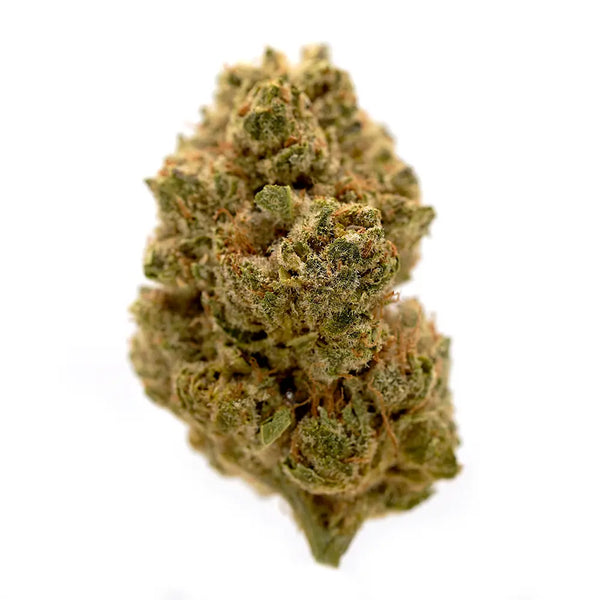
Bubblegum CBD Flower
Bubblegum • Strawberry • Floral
 USA
USA
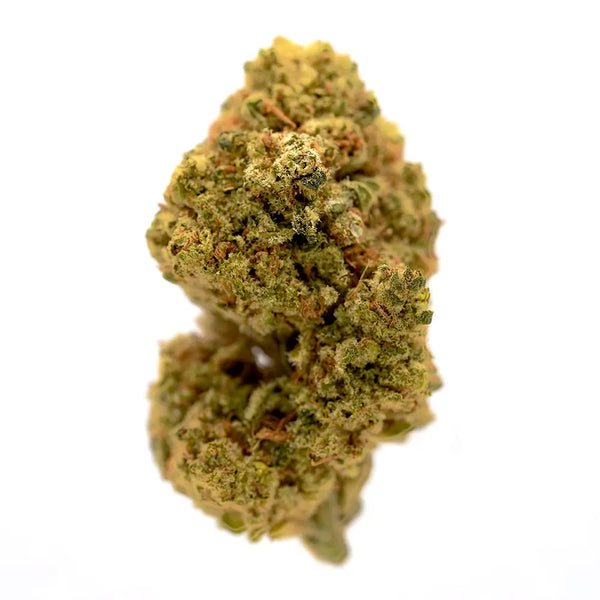
Space Invader CBD Flower
Sour Gas • Pine • Citrus
 USA
USA
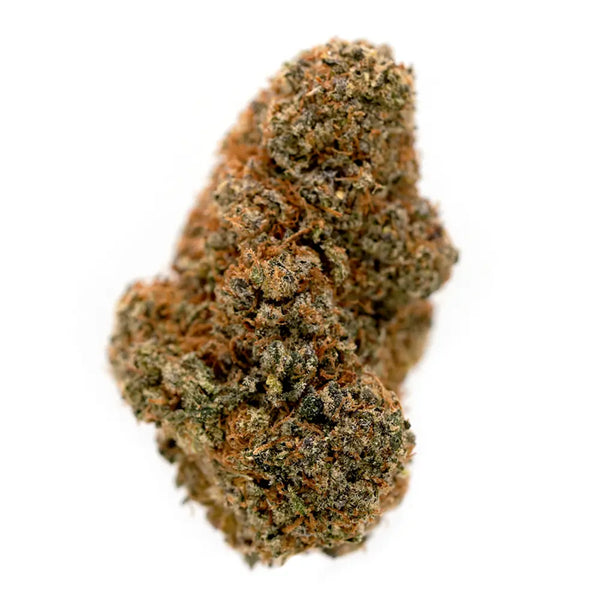
Mai Tai CBD Flower
Tropical • Gassy • Sweet
 USA
USA
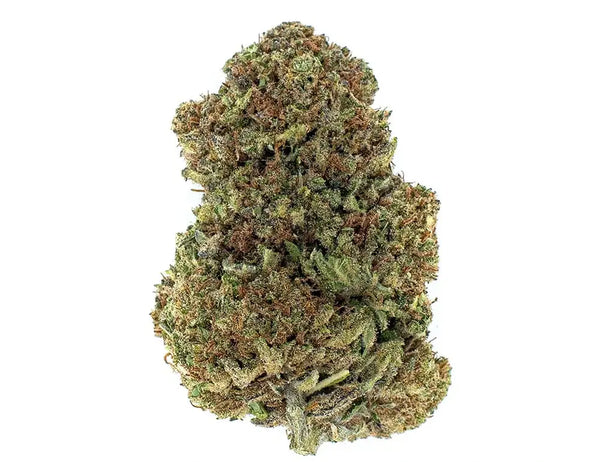
Godfather OG Indoor CBD Flower
Funky Fruit • Kushy • Sweet
 USA
USA
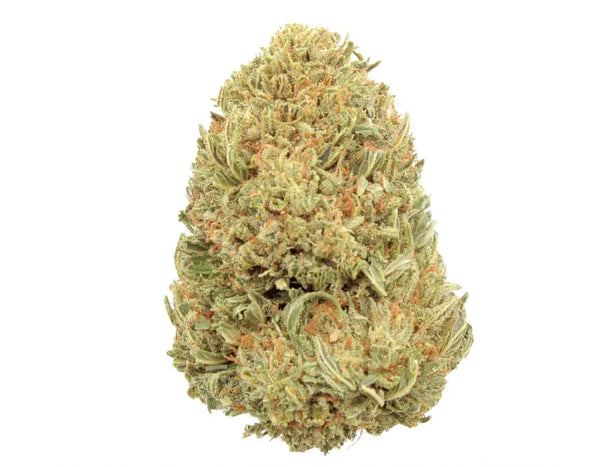
Godfather OG Outdoor CBD Flower
Kush • Pine • Spiced
 USA
USA
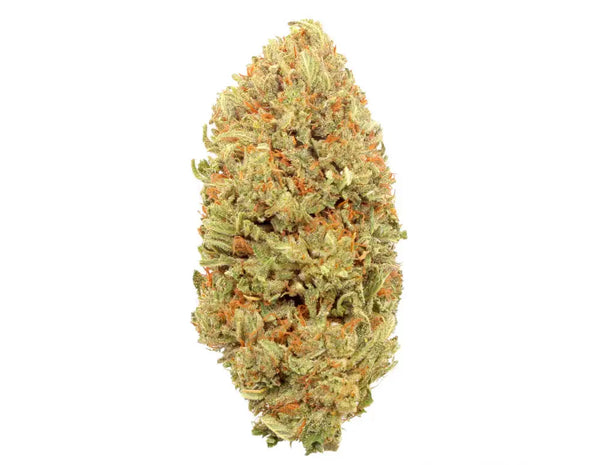
Bubba Kush 18 CBD Flower
Earthy • Coffee • Spiced
 USA
USA
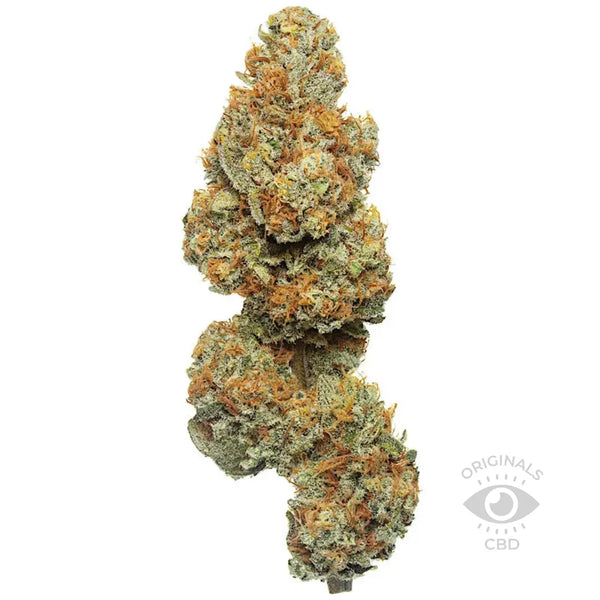
Bubba Kush 66 CBD Flower
Coffee • Dank • Earthy
 USA
USA
Mango Tree CBD Flower
Mango • Tropical • Sweet
 EU
EU
Mango Haze CBD Flower
Mango • Tropical • Haze Spice
Trusted by CBD Customers Across the UK
Originals is a UK CBD shop built on doing things properly. Every review below is from a verified UK buyer, in their own words.
INDICA, EXPLAINED
What indica CBD flower actually means
Indica and sativa are old labels, and they get used loosely. At its root, indica describes a type of plant: where it came from, how it grows, and the kind of buds it tends to throw. It's a useful starting point, not a promise about how a strain will land. The honest truth is that decades of crossbreeding have blurred the old categories, so almost everything on the market today is a hybrid leaning one way or the other. Here's the honest version of what the label still tells you.
Part of the full CBD flower range — everything we stock, across all strains, grow methods, and price points.
Where the indica label comes from
Indica traces back to the hardy, broad-leaf plants that grew in the mountains of the Hindu Kush, across what's now Afghanistan and Pakistan. Short, stocky, quick to finish, with dense buds packed tight. Those traits weren't an accident. A short growing season high in the mountains rewarded plants that flowered fast and held up to cold nights, and growers selected for exactly that, year after year. Centuries of that work gave us the genetics most indica strains still draw on. When a strain is called indica-leaning, that's the family tree it's nodding to, even if there's plenty of other lineage mixed in by now.
The terpenes you tend to find
Indica-leaning flower often leans on myrcene, the terpene behind that earthy, musky, slightly sweet smell you get from a lot of classic strains. You'll often catch notes of soil, pepper, ripe fruit or hash underneath it. Caryophyllene shows up a lot too, bringing a peppery, almost spicy edge, and on the sweeter Kush crosses you'll sometimes get a darker, jammy fruit note from linalool. Bubba Kush 59 is a good example of that classic earthy-hash profile, while Critical Berries pushes the fruitier, sweeter side. None of this is a rule. The dominant terpenes are printed on every product page, so you don't have to take the label's word for it.
Why people reach for indica in the evening
There's a long-standing tradition of treating indica as the end-of-day choice. It's how growers, smokers and reviewers have talked about it for decades, and plenty of our customers shop it that way out of habit and preference. That's a cultural association, not a claim about what the plant does to you. The flavour-chasers among us just like having a heavier, richer character to reach for once the day's done. Think of it as a flavour and aroma tradition more than anything else: the broad-leaf strains tend to carry that deeper, muskier profile, and that's the character people have come to link with winding down.
Bud structure, and what to look for
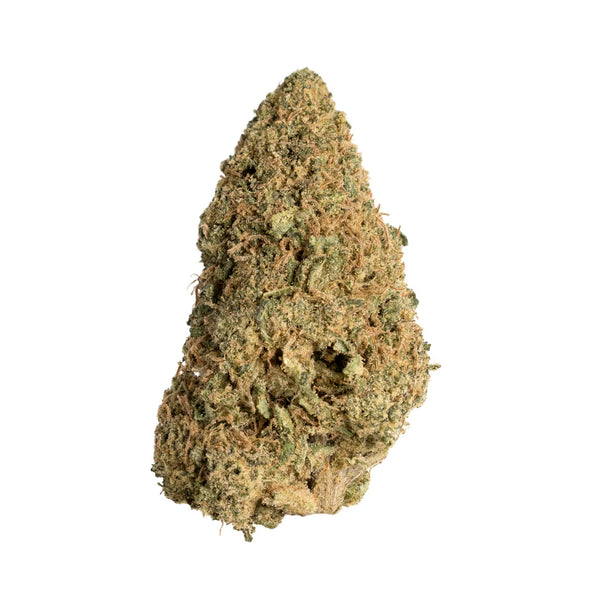
The broad-leaf heritage shows up in the bud itself. Indica-leaning flower tends to grow tight and compact, with a chunky, rounded shape rather than the long, tapering spears you get off taller plants. The density is the thing people notice first: a good indica bud feels solid, often with a heavy frost of trichomes catching the light. A proper cure matters here as much as anywhere, because dense bud holds moisture differently and needs the time to settle. When you're choosing, look at the structure and the trichome coverage on the page, not just the strain name.
Indica-leaning strains in our range
You'll find indica-leaning genetics across the collection. Bubba Kush 59 sits in the classic Kush camp, Royal OG carries the OG family line, and Critical Berries brings a sweeter, fruitier side of the same broad-leaf heritage. Open any product page and you'll see the three things we list on everything we sell: the dominant terpenes, the cannabinoid breakdown, and the genetics and origin. Read those, then pick on character rather than on a one-word label. The label gets you in the right neighbourhood. The page tells you which door to knock on.
Indica at a glance
FREQUENTLY ASKED QUESTIONS
Not as a rule. Strength comes down to the CBD percentage and the cannabinoid breakdown of the individual batch, not whether it's indica or sativa. You'll find that figure printed on every product page, so compare batch to batch rather than category to category.
We can't make any claim about how the plant affects you, and we wouldn't. The "evening" link is a long-standing cultural and flavour tradition, not something the plant does to you. People shop it that way out of habit and because they enjoy the deeper, muskier character.
Look at the genetics and origin section on the product page, which names the lineage the strain draws on. A truly pure indica is rare these days, so most flower is a hybrid leaning one way. The honest answer is on the page, not in the one-word label.
Indica-leaning flower often carries an earthy, musky, slightly sweet aroma driven by myrcene, sometimes with a peppery or hash-like edge. Sweeter Kush crosses can bring a darker fruit note. The dominant terpenes are listed on each page so you can check before you buy.