

USA CBD FLOWER
Cali and American-exotic genetics. The lineage is named on every page.
USA CBD Flower Products
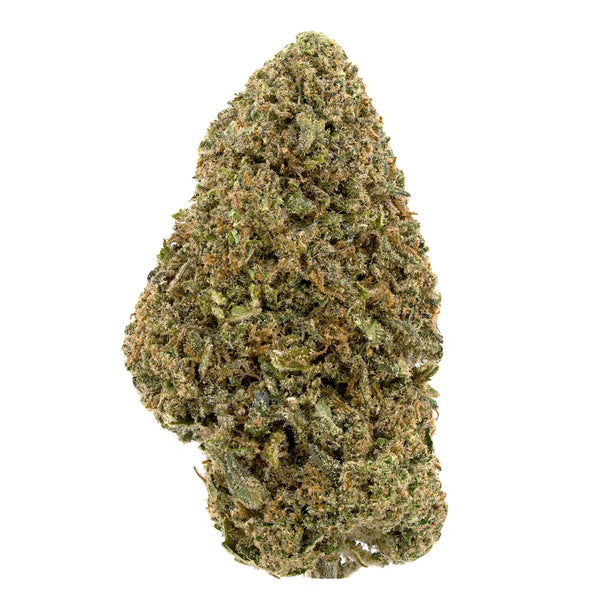
 USA
USA
Critical Berries CBD Flower Sun grown
Berry • Spiced • Forest Earth
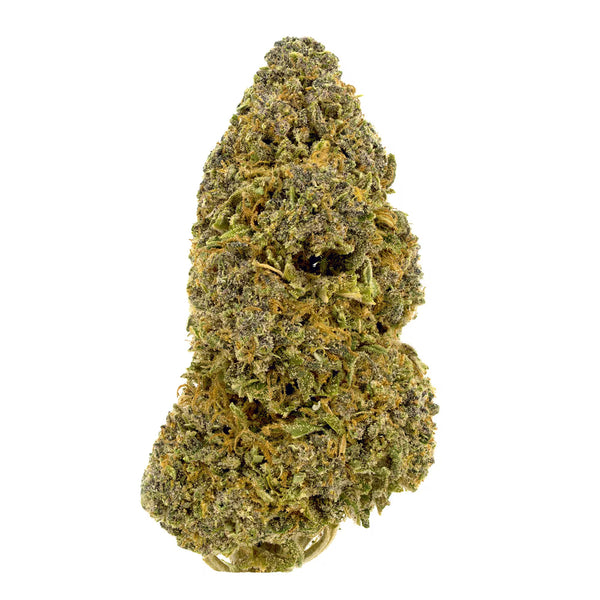 USA
USA
Puff Pastries CBD Flower Sun grown
Lemon Cream • Vanilla • Pastry
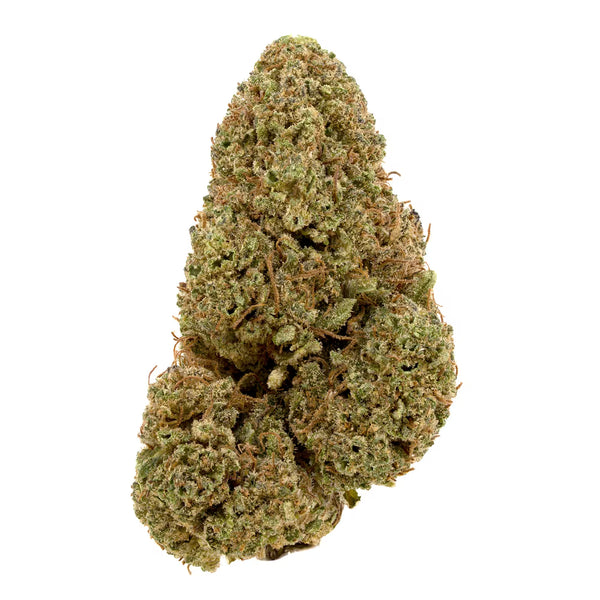 USA
USA
Sour Lifter CBD Flower Sun grown
Sour Citrus • Gas • Chemical
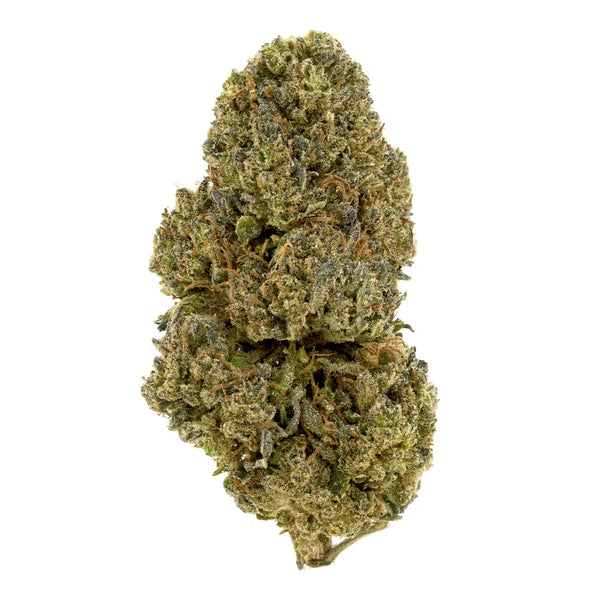 USA
USA
Royal OG CBD Flower Sun grown
Lemon • Woody • Sweet Candy
 USA
USA
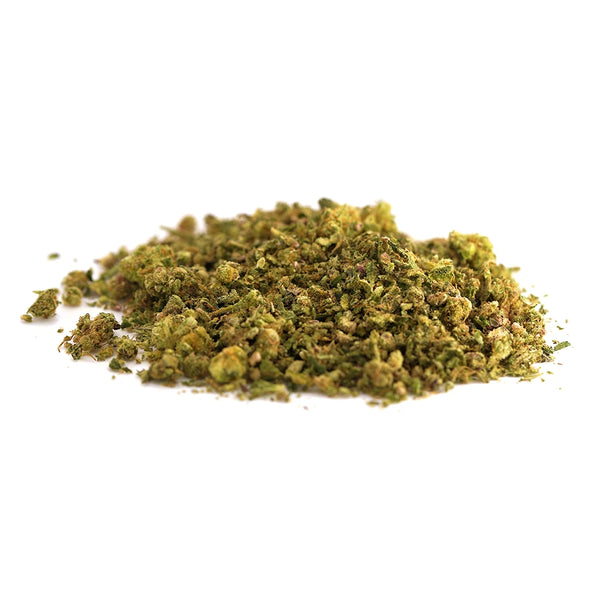
Mixed Trim/Shake CBD Flower
Mixed • Earthy • Herbal

WHAT 'CALI' REALLY MEANS
A genetics and flavour style, not a postcode you can verify on a label.
Learn More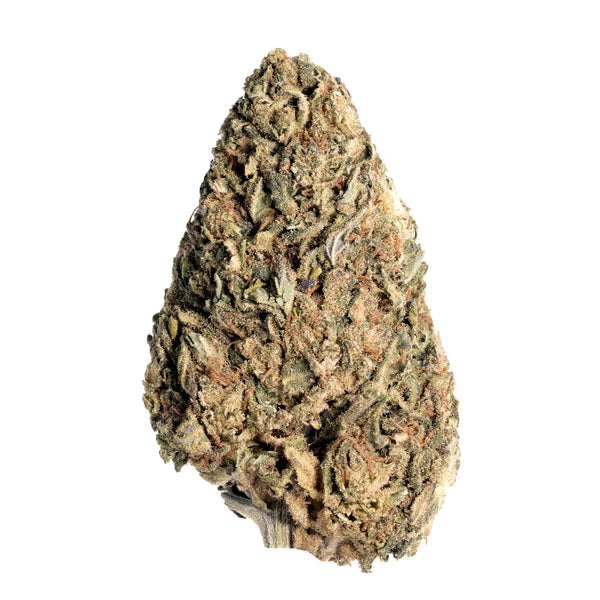 USA
USA
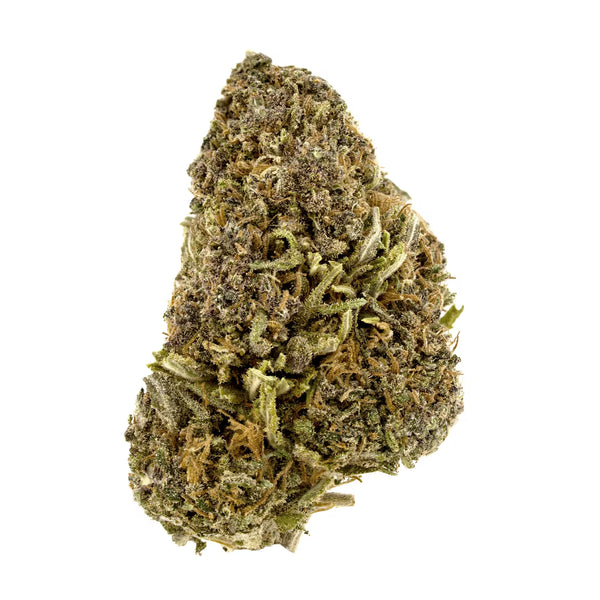
Super Sour Space Candy CBD Flower
Sour Grapefruit • Sweet Berry • Gassy
 USA
USA
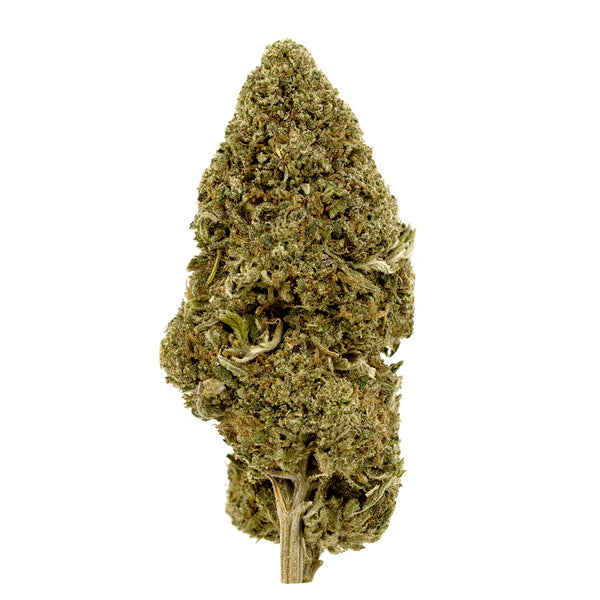
Rainbow Sherbet CBD Flower Sun grown
Citrus • Fruity • Gassy
 USA
USA
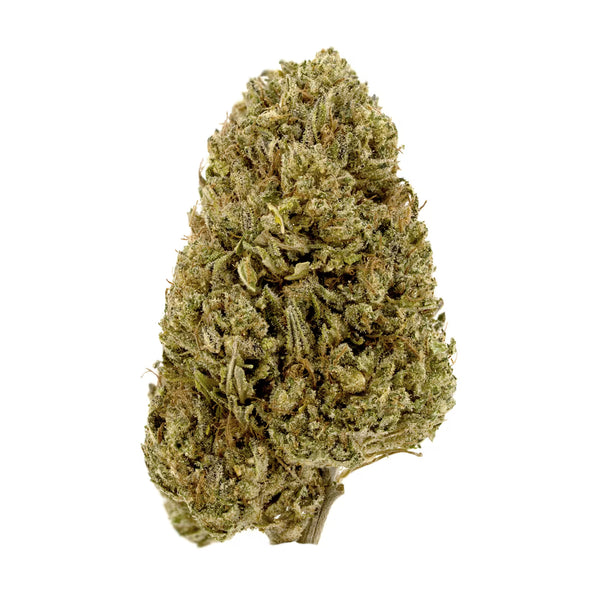
Lavender Cupcakes CBD Flower Sun grown
Chocolate • Earthy • Berry
 USA
USA
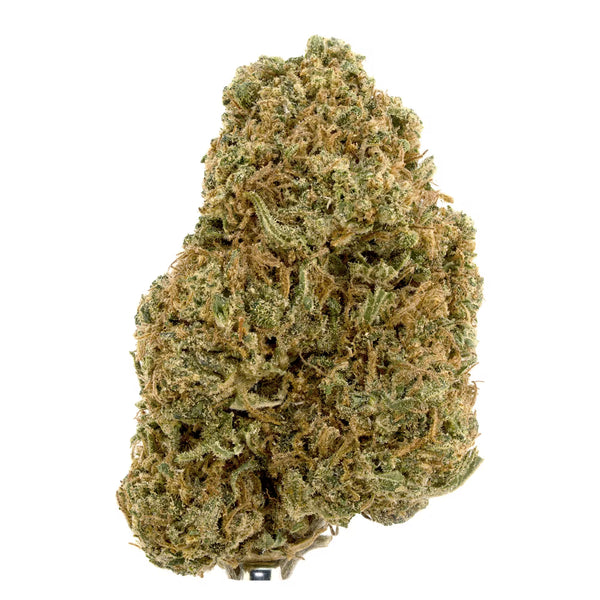
Lemon Octane #13 CBD Flower Sun grown
Lemon • Gas • Citrus
 USA
USA
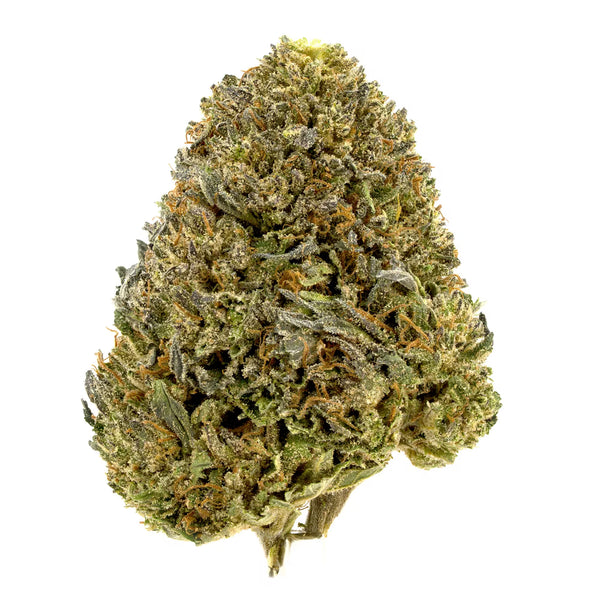
Allium OG CBD Flower Sun grown
Garlic • Tropical • Peach Ring
 USA
USA
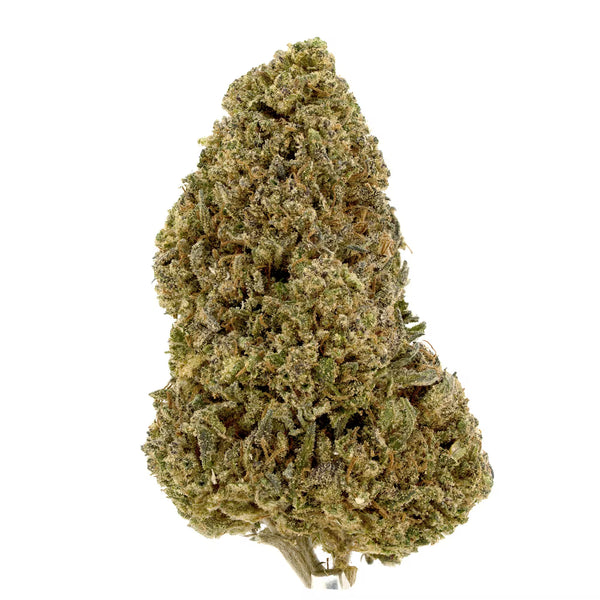
Bubba Kush 59 CBD Flower Sun grown
Earthy • Skunky • Magnolia
 USA
USA
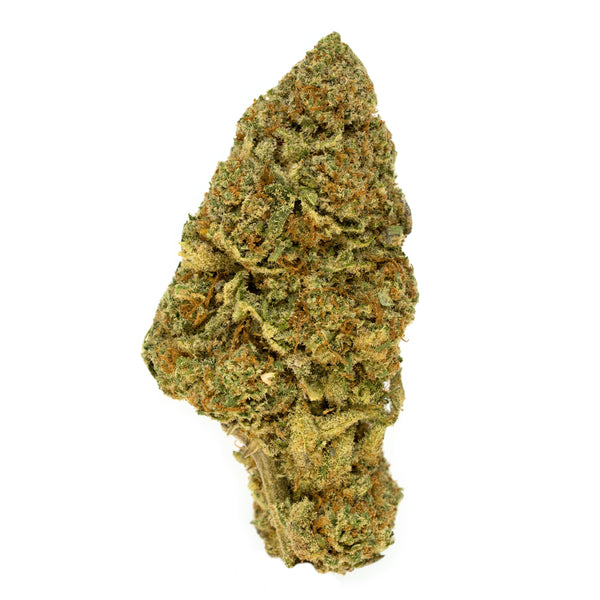
Fyre OG CBD Flower Sun grown
Lemon • Gas • Spiced Pine
 USA
USA
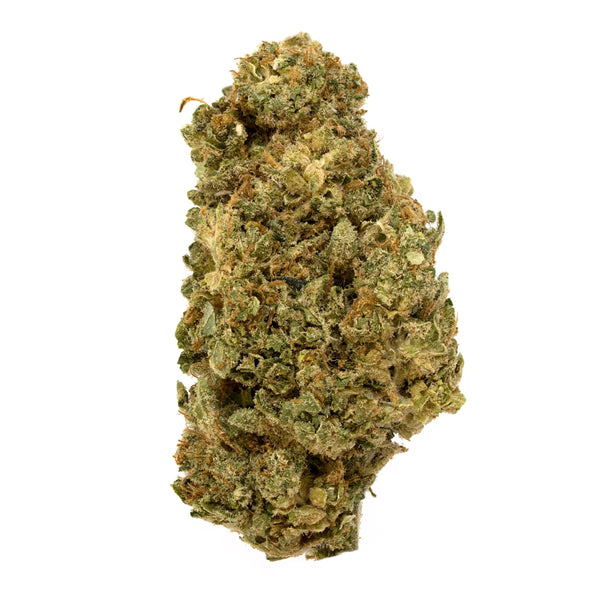
Rock Candy CBD Flower
Candy • Pine • Diesel
 USA
USA
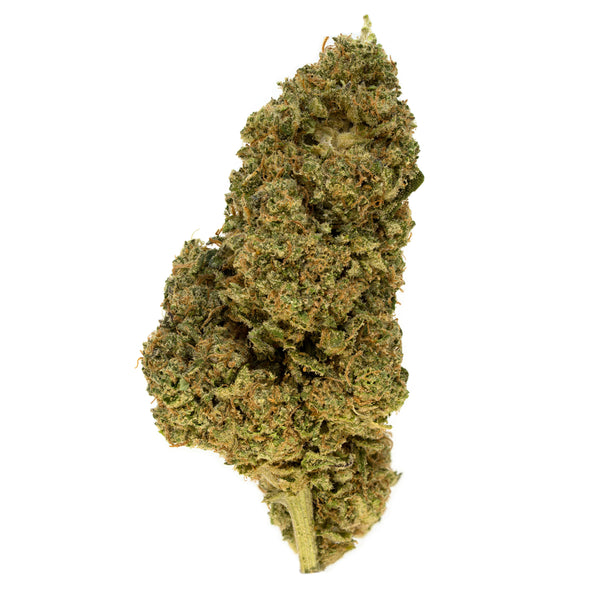
Allium OG CBD Flower
Garlic • Tropical • Diesel
 USA
USA
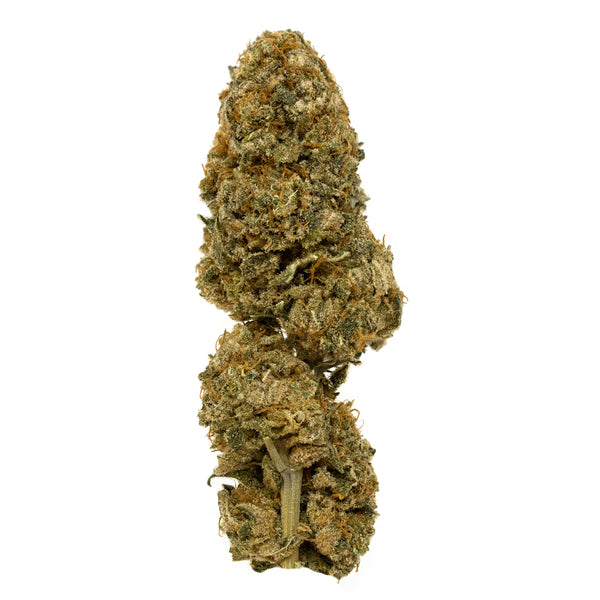
Skunk Jam CBD Flower
Strawberry • Skunk • Earthy
 USA
USA
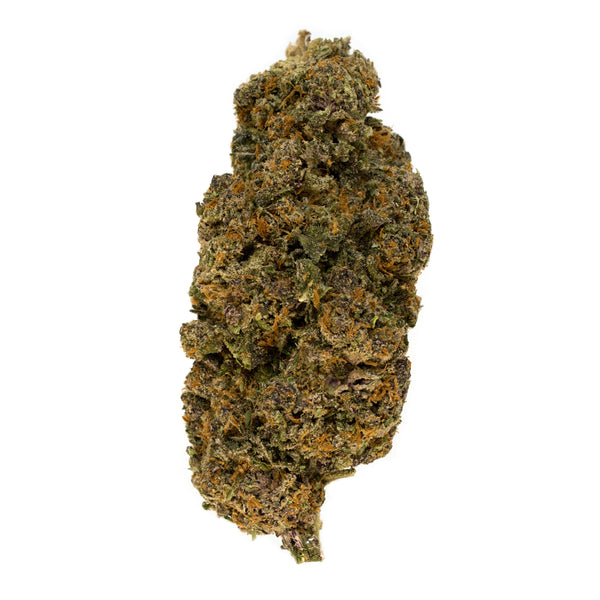
Llama Tonic CBD Flower
Herbal • Citrus • Pine
 USA
USA
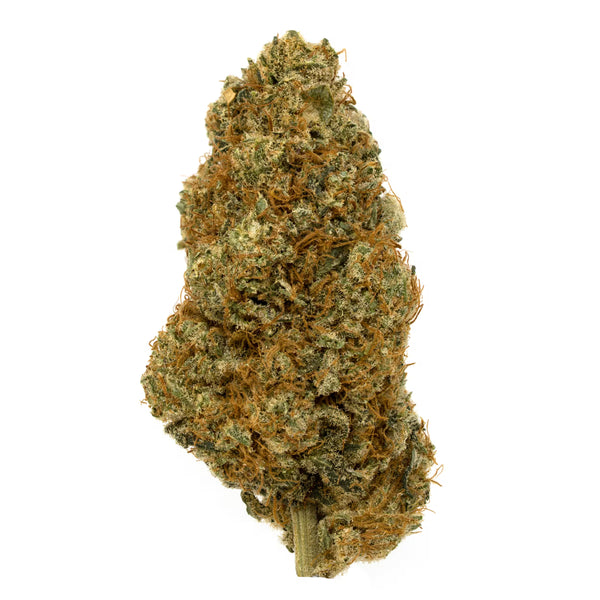
Paytons Strawberries CBD Flower
Strawberry • Lemon • Gassy
 USA
USA
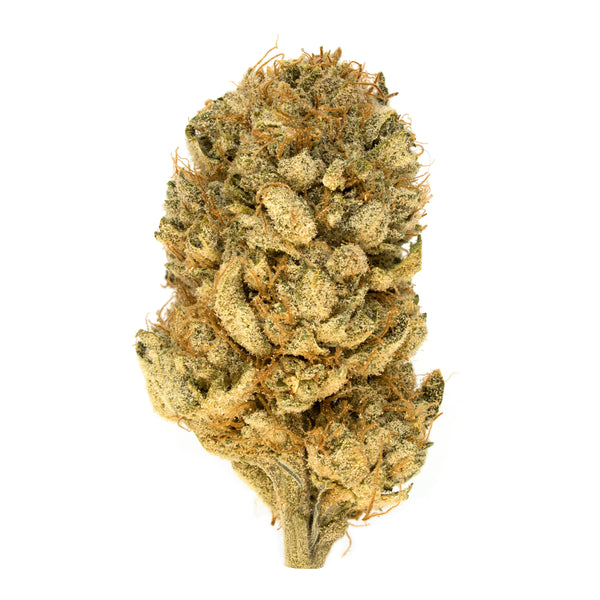
Grape Kush CBD Flower
Grape • Spiced • Earthy
 USA
USA
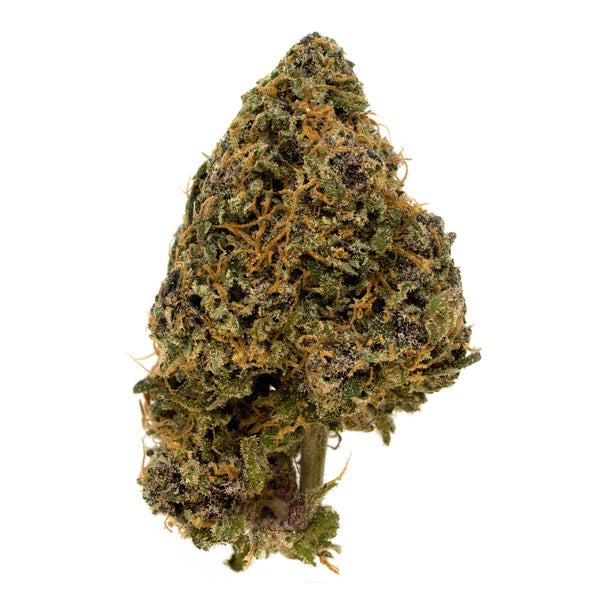
Lemon CBG Flower
Lemon • Floral • Fresh
 USA
USA
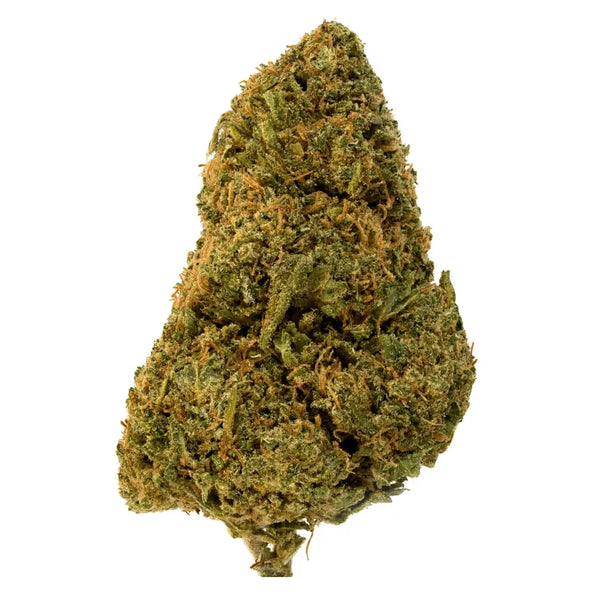
Ultra Pink CBD Flower
Bubblegum • Mango • Sweet
 USA
USA
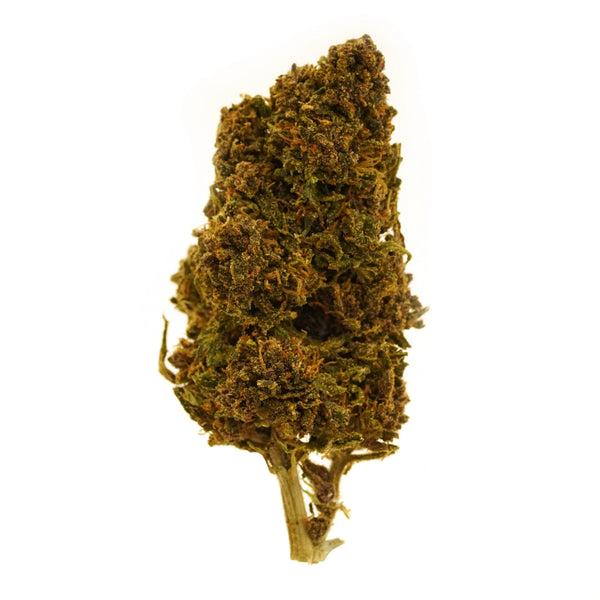
Big Apple Jacks CBD Flower
Green Apple • Vanilla • Gassy
 USA
USA
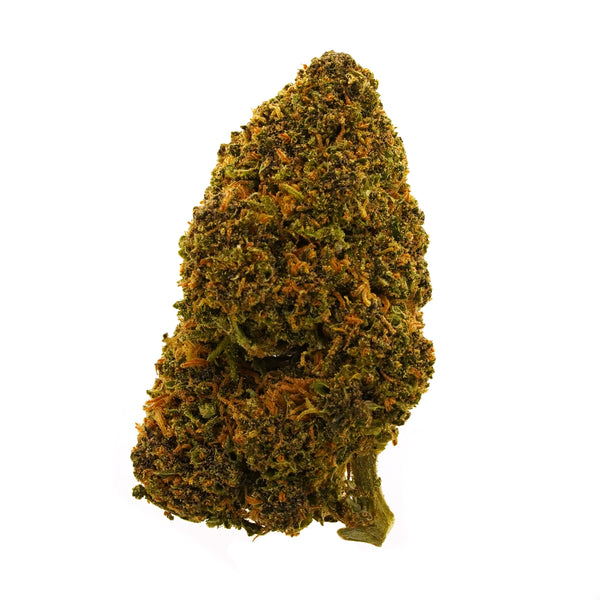
Blue Meringue CBD Flower
Blueberry • Cream • Herbal
 USA
USA
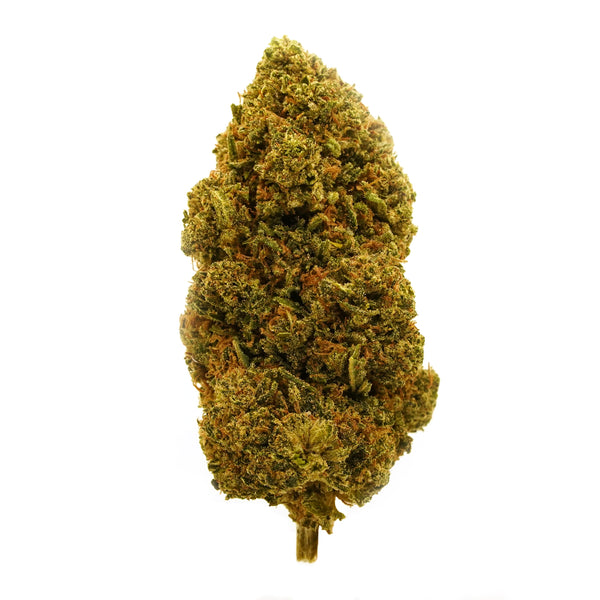
Pink Panther CBD Flower
Grape Candy • Tropical • Floral
 USA
USA
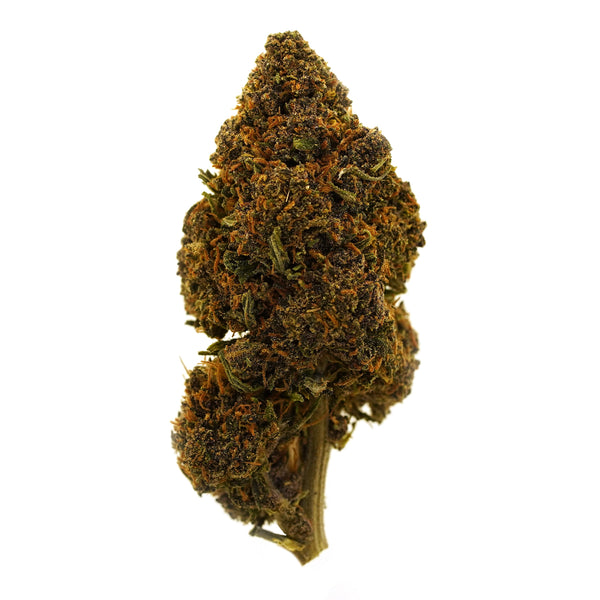
Lemon Cookie Dough CBD Flower
Lemon • Cookie Dough • Gassy
 USA
USA
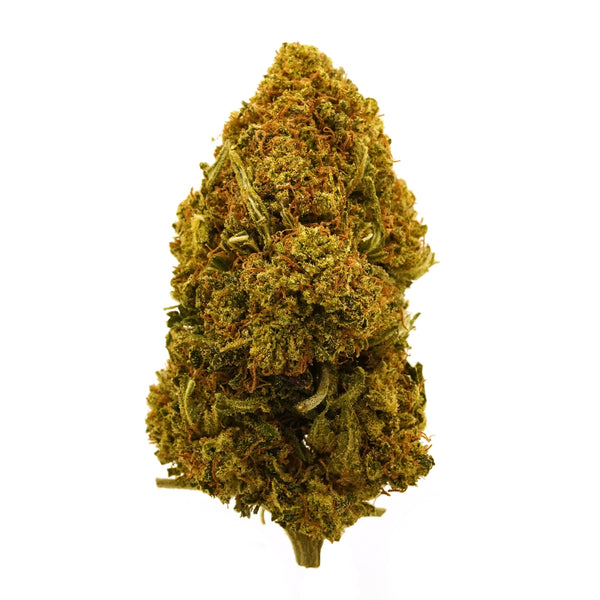
Sapphire Kush CBD Flower
Raspberry • Mandarin • Floral
 USA
USA
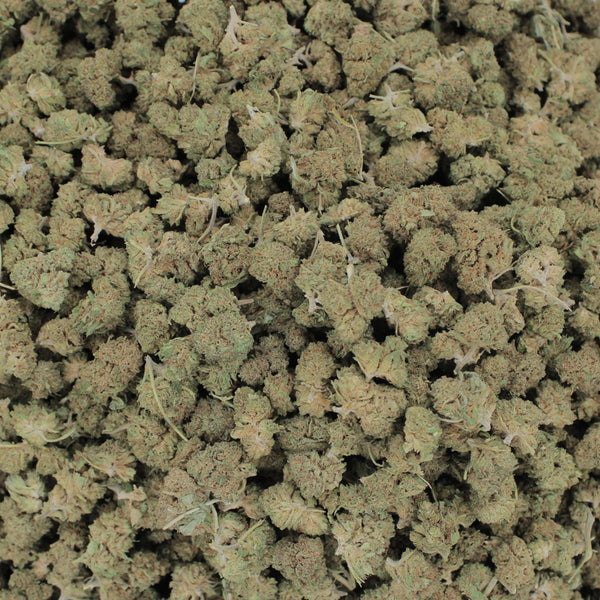
Pineapple Cookie Dough CBD Flower
Pineapple • Cookie • Citrus
 USA
USA
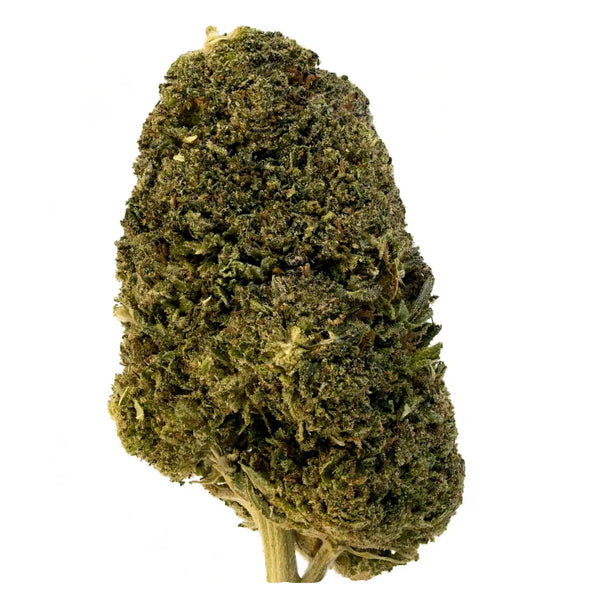
Lifter Smalls CBD Flower
Earthy • Citrus • Fuel
 USA
USA
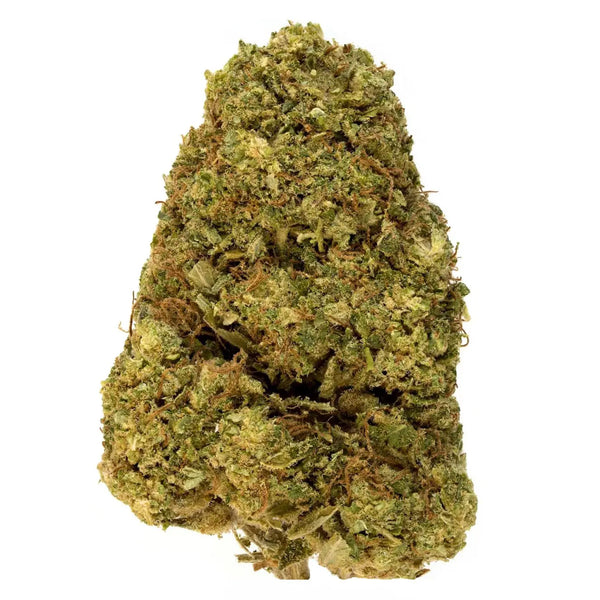
Bubba Kush 12 CBD Flower
Earthy • Coffee • Spiced
 USA
USA
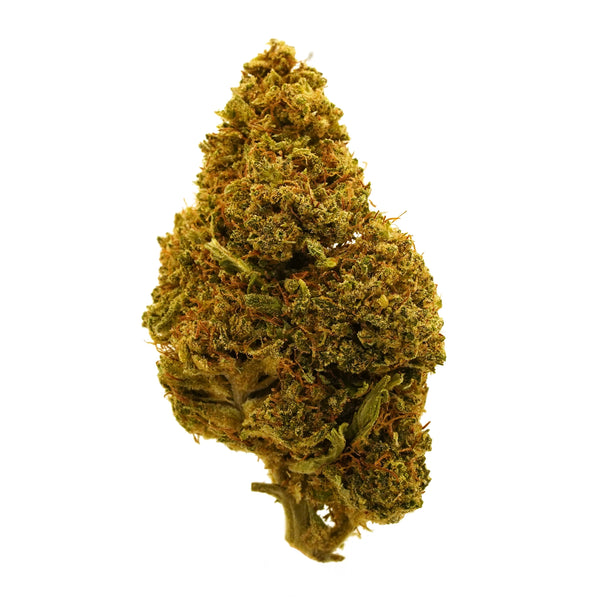
Sour Chem Connoisseur Cut CBD Flower
Sour Citrus • Diesel • Pine
 USA
USA
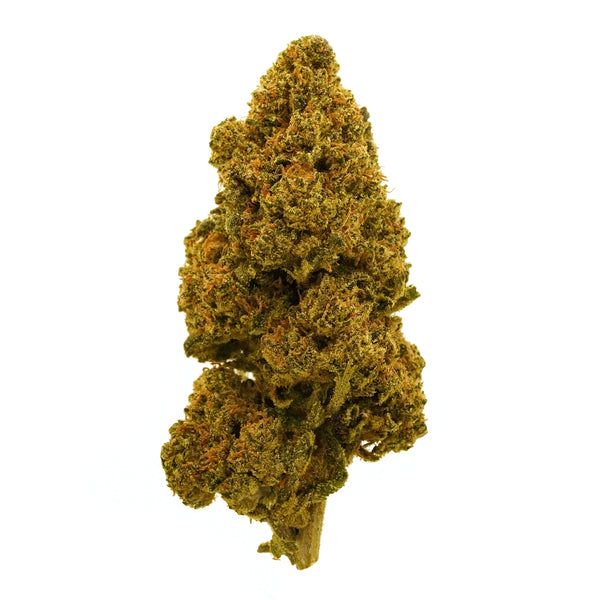
Sour Chem CBD Flower
Sour Citrus • Diesel • Pine
 USA
USA
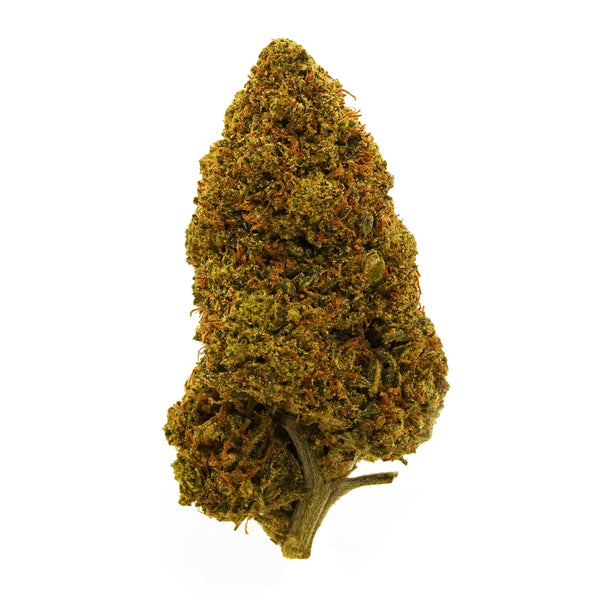
Strawberry Banana CBD Flower
Strawberry • Banana • Diesel
 USA
USA
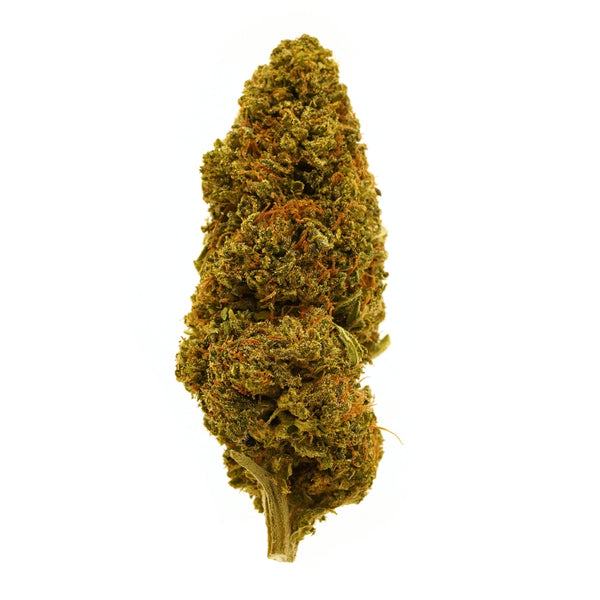
Raspberry Bear Claw CBD Flower
Raspberry • Candy • Cookie
 USA
USA
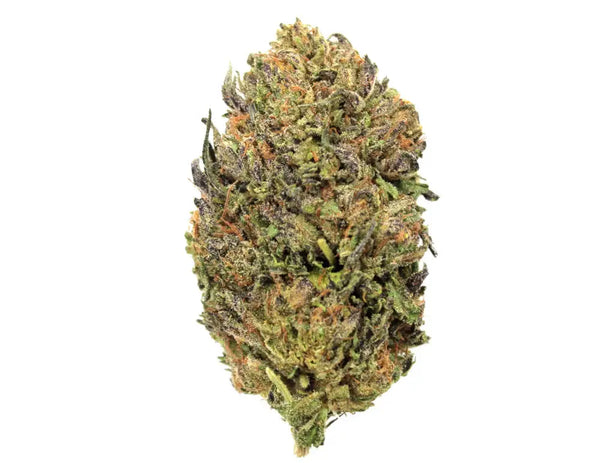
Legendary Banana Mac CBD Flower
Banana • Vanilla • Spiced
 USA
USA
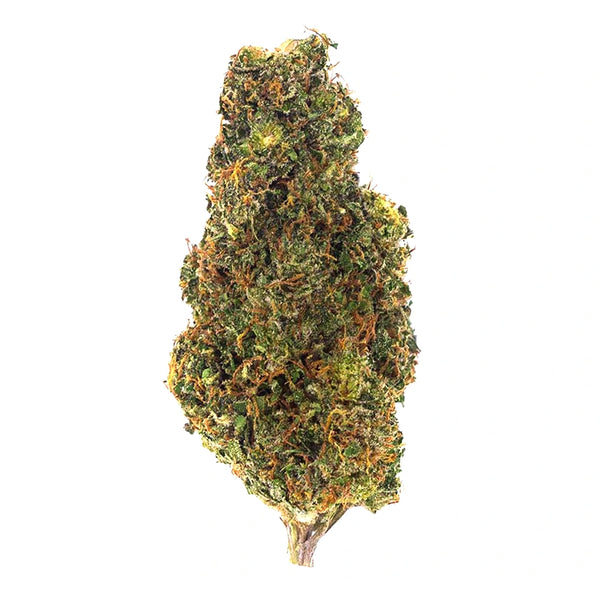
Bubba Kush 59 (Machine Trimmed) CBD Flower
Earthy • Coffee • Spiced
 USA
USA
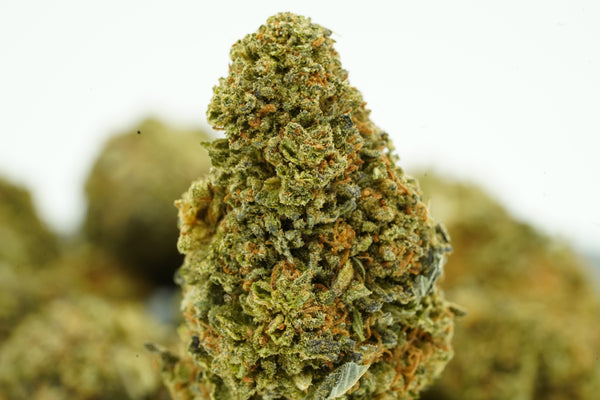
Lemon Octane (Machine Trimmed) CBD Flower
Lemon • Citrus • Fuel
 USA
USA
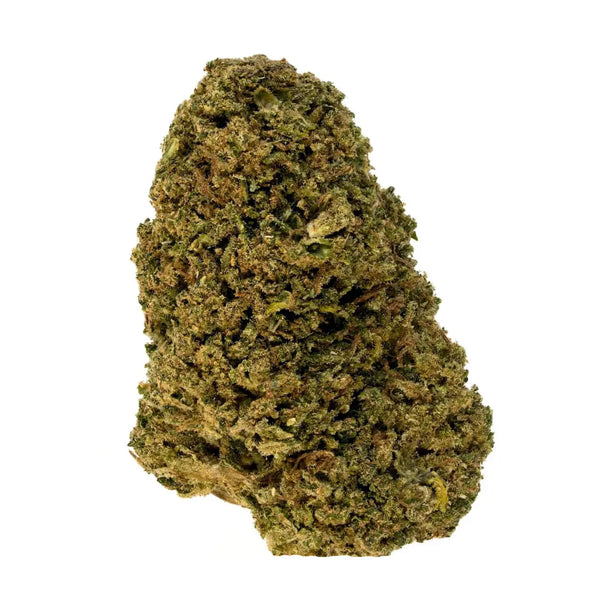
Legendary Kush CBD Flower
Earthy • Pine • Citrus
 USA
USA
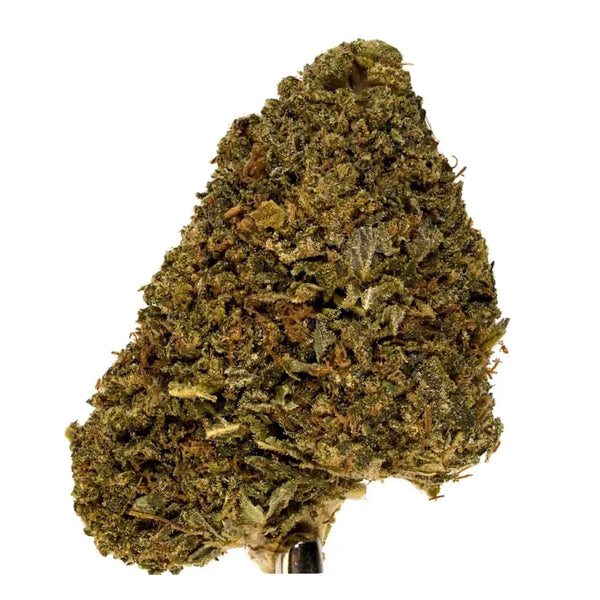
Critical Berries CBD Flower
Berry • Spiced • Earthy
 USA
USA
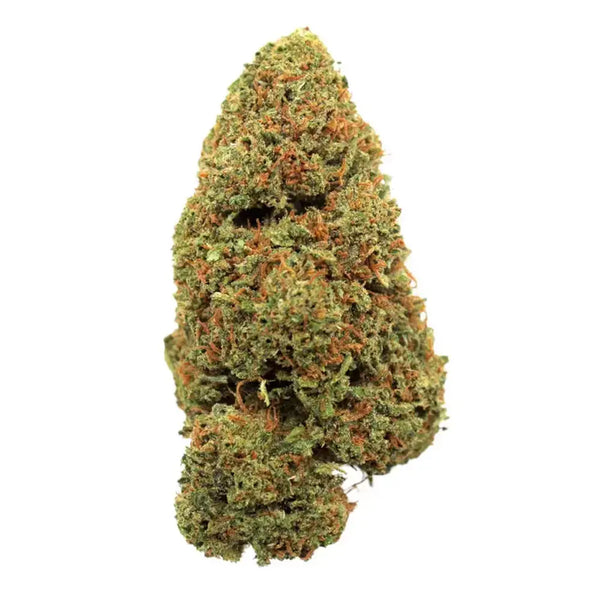
Royal OG CBD Flower
Cherry • Pine • Earthy
 USA
USA
Lifter CBD Flower
Earthy • Citrus • Fuel
USA
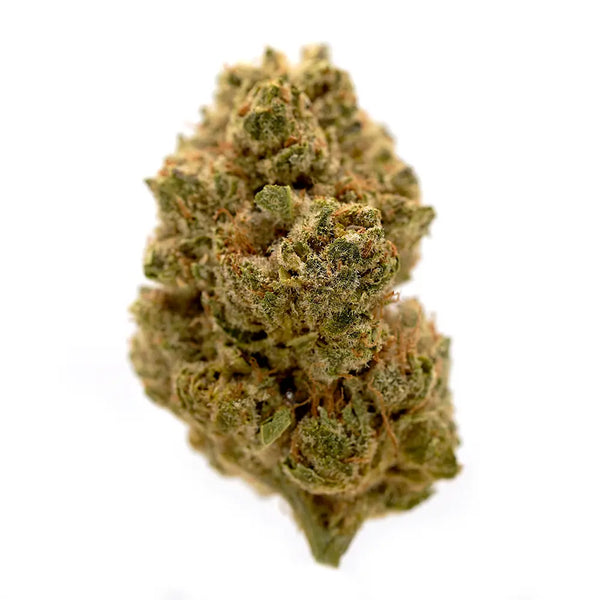
Lemon Octane CBD Flower
Lemon • Citrus • Fuel
 USA
USA
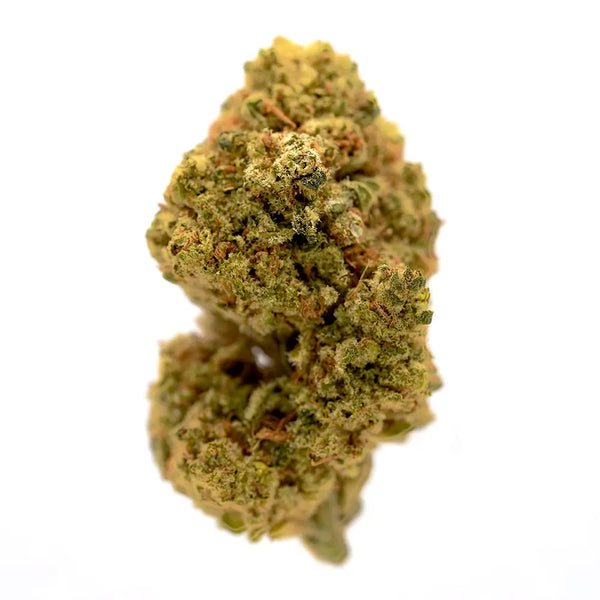
Space Invader CBD Flower
Sour Gas • Pine • Citrus
 USA
USA
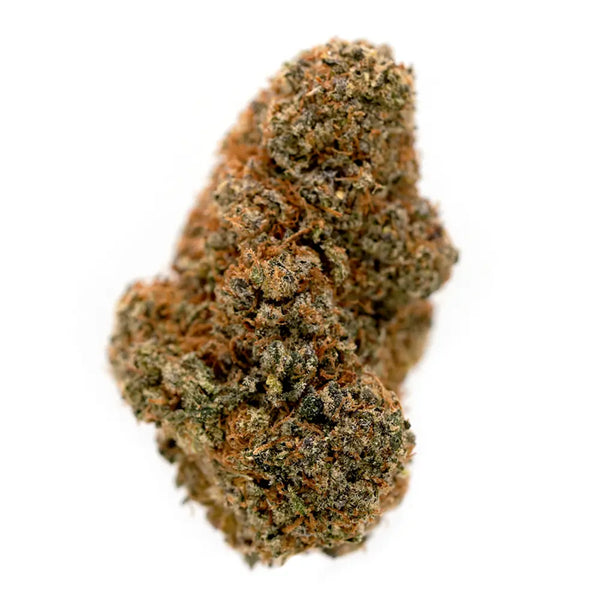
Mai Tai CBD Flower
Tropical • Gassy • Sweet
 USA
USA
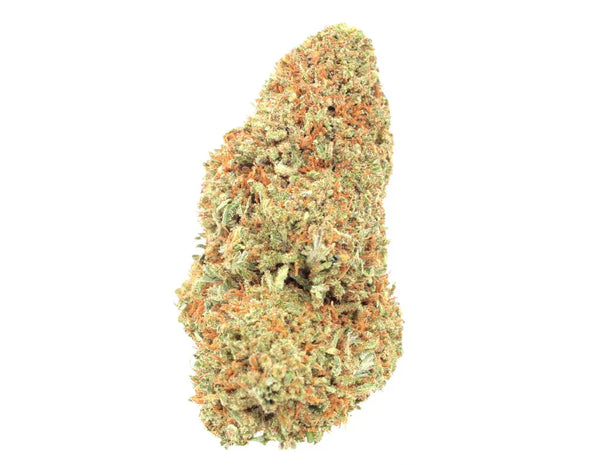
Godfather OG Indoor CBD Flower
Funky Fruit • Kushy • Sweet
 USA
USA
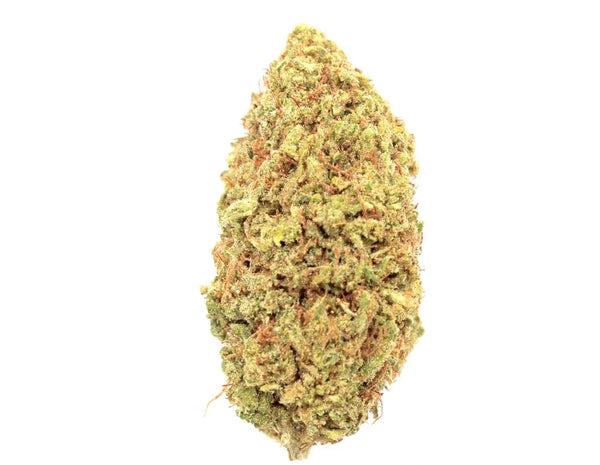
Super Purps CBD Flower
Grape • Berry • Earthy
 USA
USA
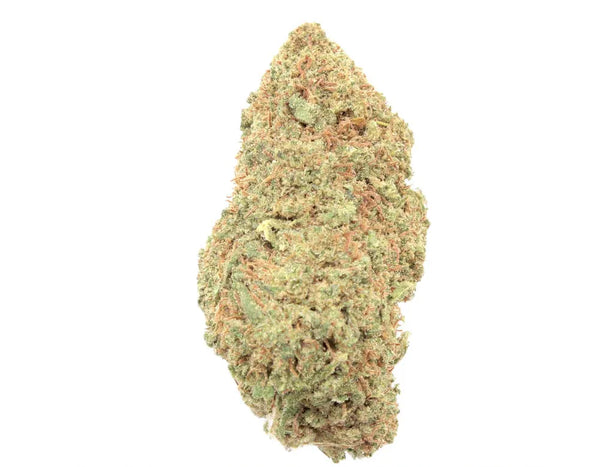
Sour Suver Haze CBD Flower
Sour Lime • Spiced • Gassy
 USA
USA
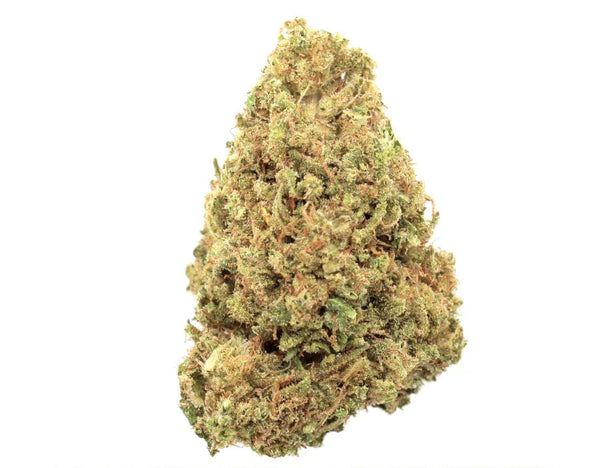
Sour Lifter CBD Flower
Sour Citrus • Grape • Diesel
 USA
USA
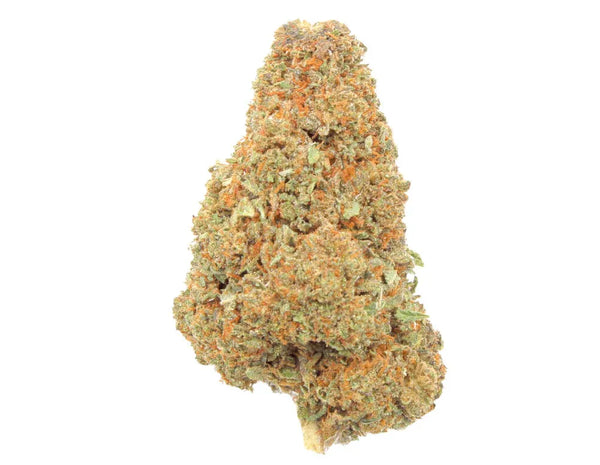
Sour Brûlée CBD Flower
Sour Citrus • Diesel • Creamy
 USA
USA
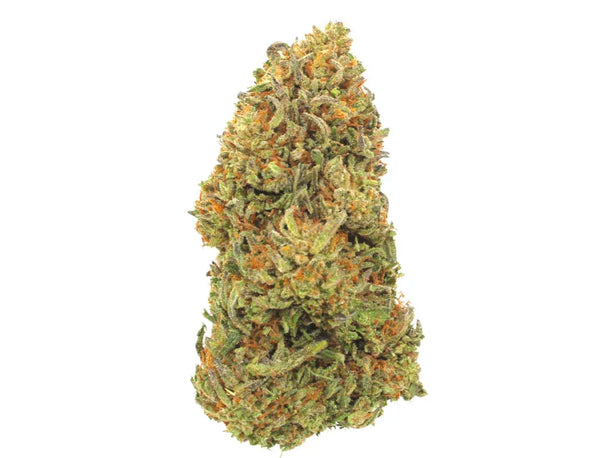
Royal Fruit Snacks CBD Flower
Berry • Citrus • Tropical
 USA
USA
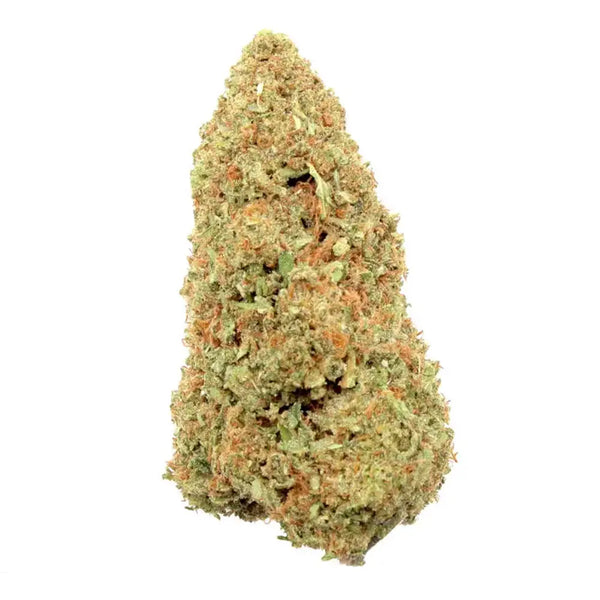
Paradise OG Outdoor CBD Flower
Sandalwood • Vanilla • Berry
 USA
USA
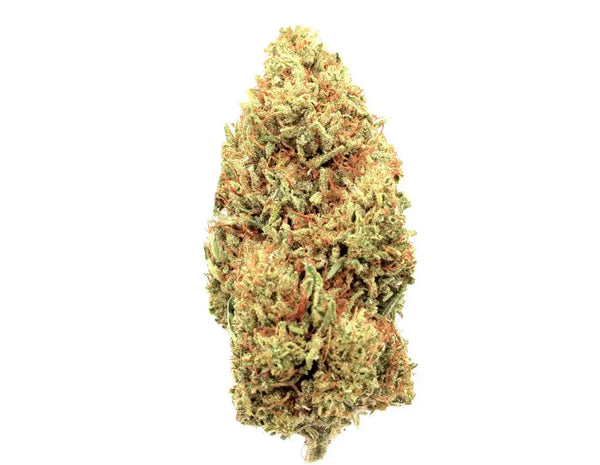
Master OG CBD Flower
Pine • Berry • Earthy
 USA
USA
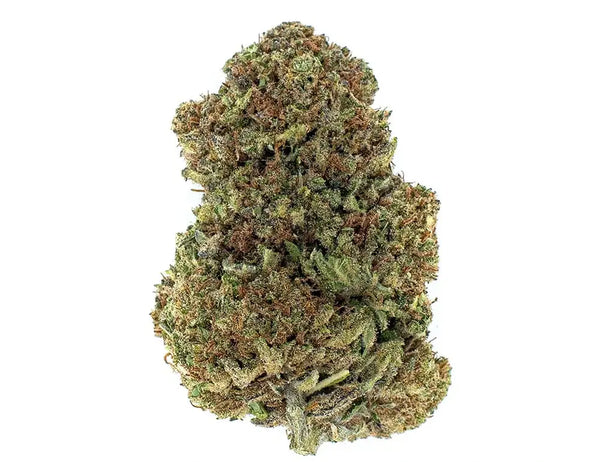
Golden Berries CBD Flower
Berry • Spiced • Pine
 USA
USA
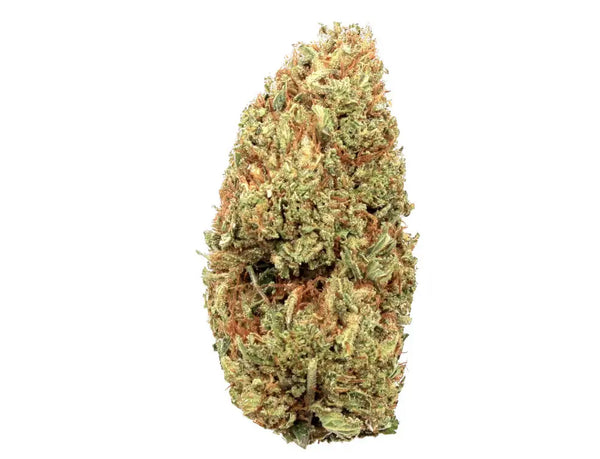
Godfather OG Outdoor CBD Flower
Kush • Pine • Spiced
 USA
USA
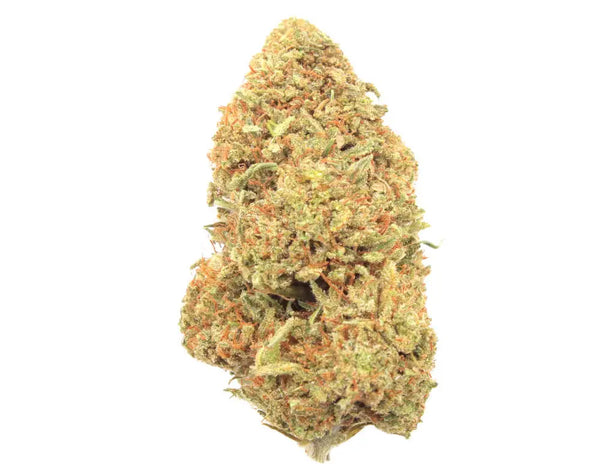
Fruity Pebbles OG CBD Flower
Tropical • Berry • Sweet
 USA
USA
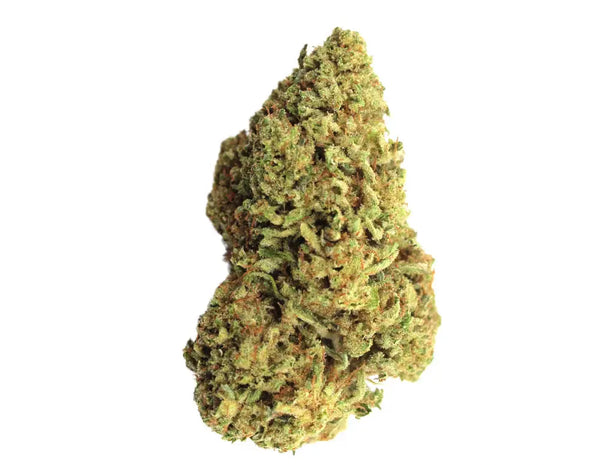
Glass Slipper CBD Flower
Pineapple • Citrus • Floral
 USA
USA
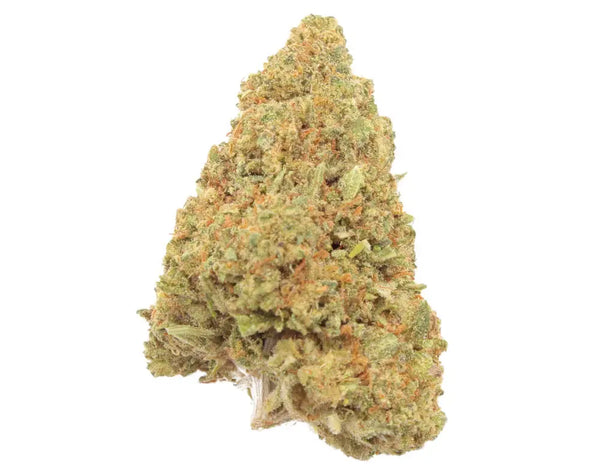
Dream Weaver CBD Flower
Floral • Citrus • Herbal
 USA
USA
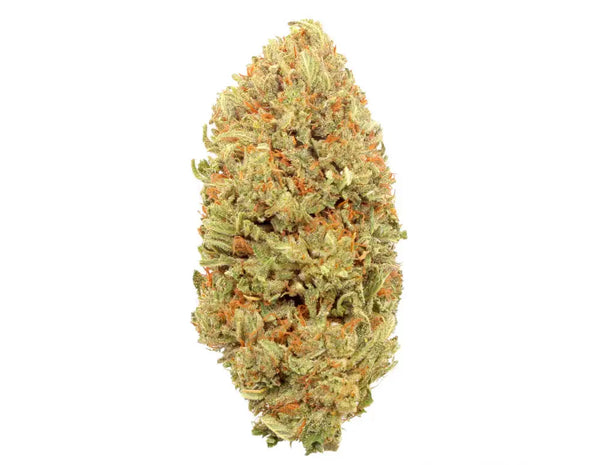
Cake Berry Brûlée CBD Flower
Berry • Vanilla • Citrus
 USA
USA
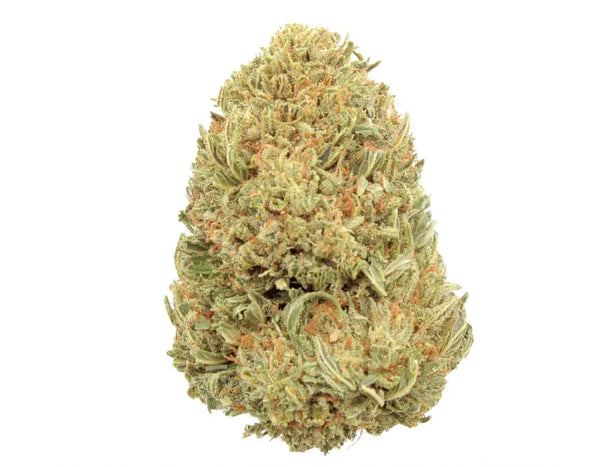
Bubba Kush 66 CBD Flower
Coffee • Dank • Earthy
 USA
USA
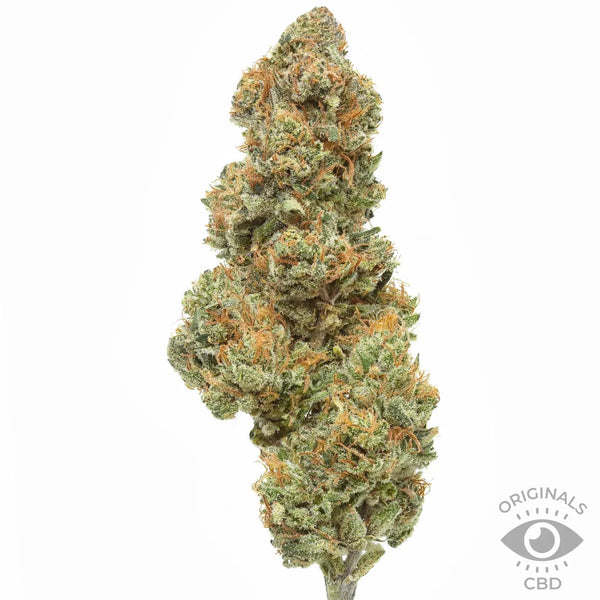
Bubba Kush 18 CBD Flower
Earthy • Coffee • Spiced
 USA
USA
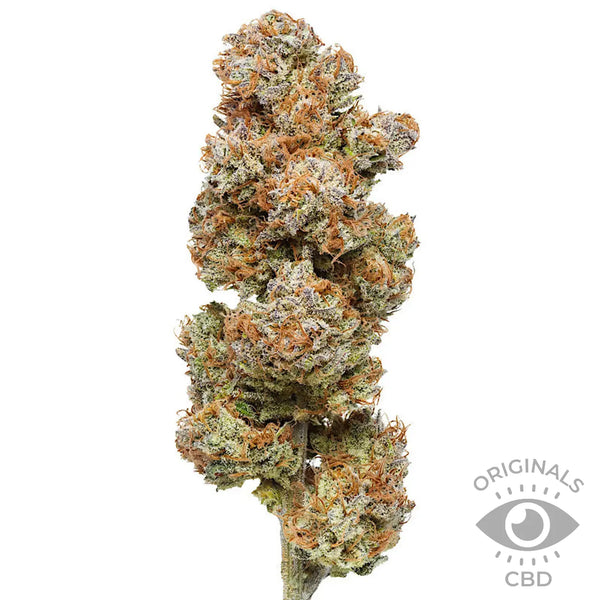
Mystery O.Z. CBD Flower
Floral • Perfume • Earthy
 USA
USA
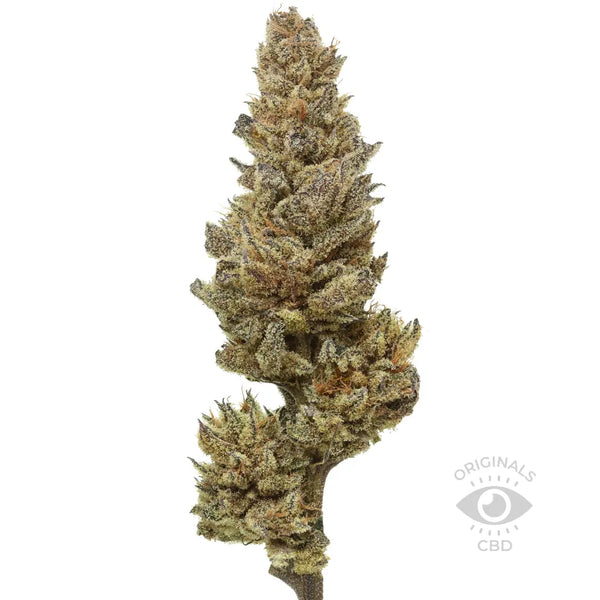
Sour Tsunami CBD Flower
Grape • Lime • Fuel
 USA
USA
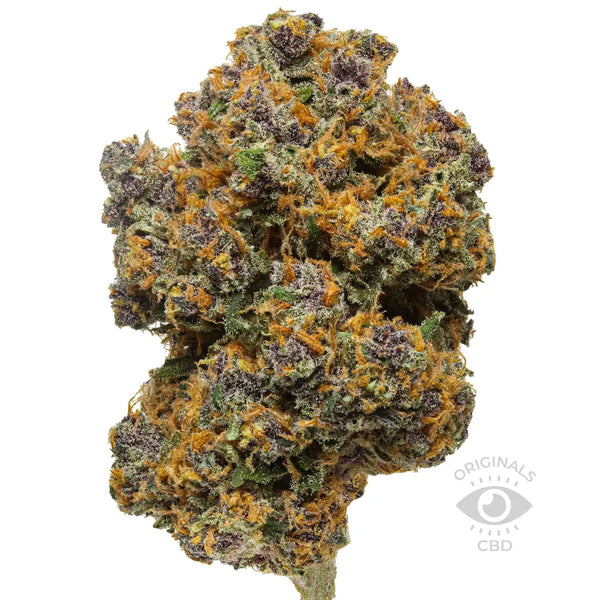
Wild Berries CBD Flower
Berry • Sweet • Earthy
 USA
USA
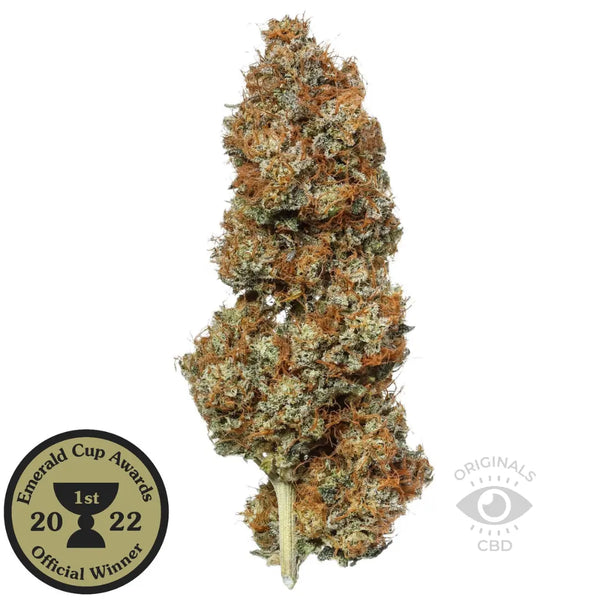
Shaolin Gleaux CBD Flower
Tangerine • Grapefruit • Gassy
 USA
USA
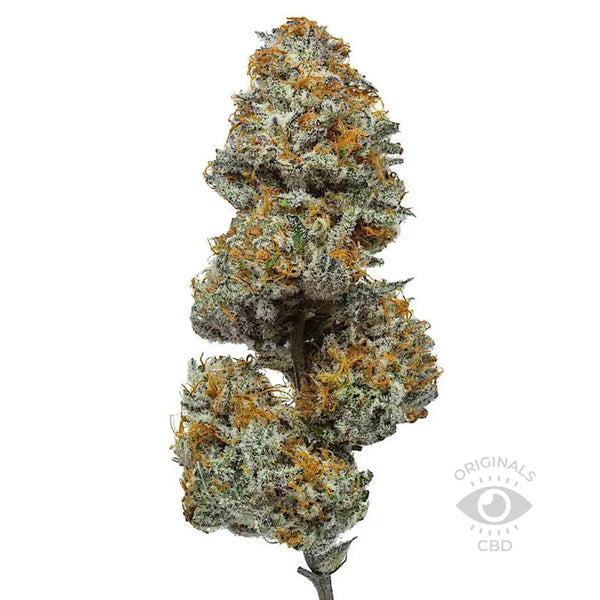
Orange Glaze #3 CBD Flower
Orange • Citrus • Gassy
 USA
USA
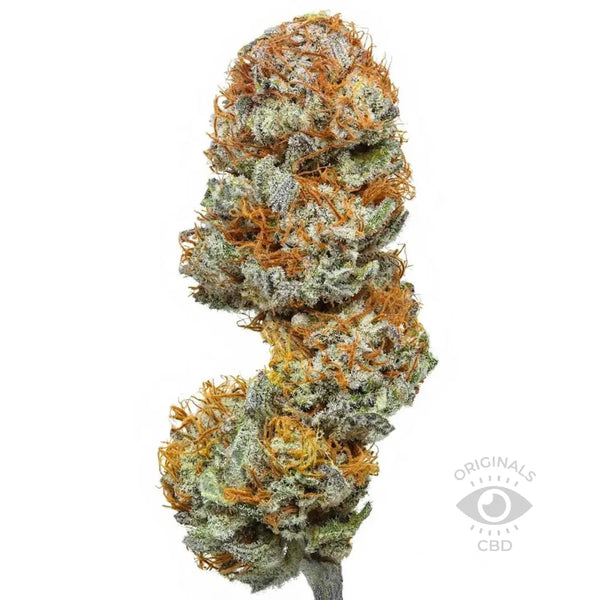
Paradise OG Indoor CBD Flower
Sandalwood • Vanilla • Lime
 USA
USA
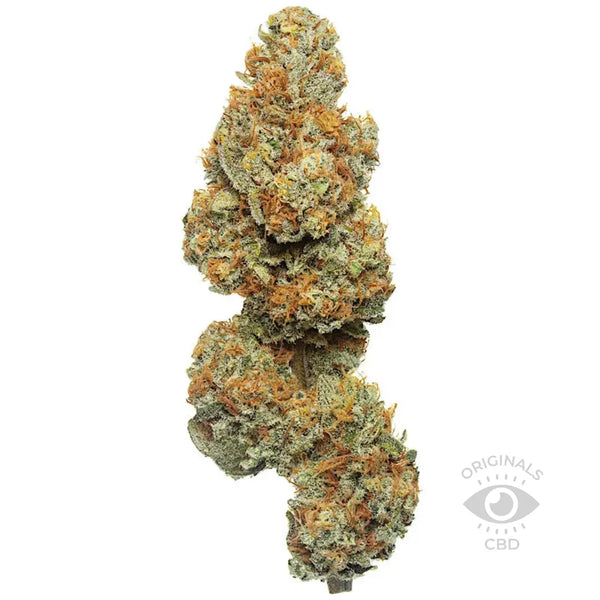
Blueberry Cough Drops CBD Flower
Blueberry • Cherry • Funky
 USA
USA
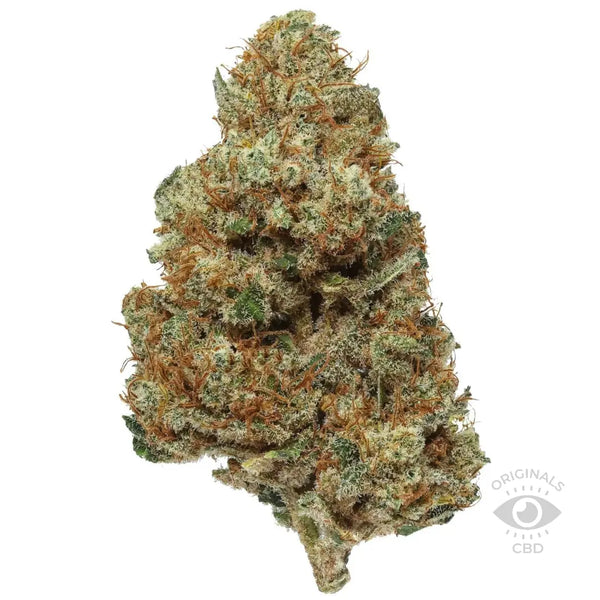
Mango Tree CBD Flower
Mango • Tropical • Sweet
 USA
USA
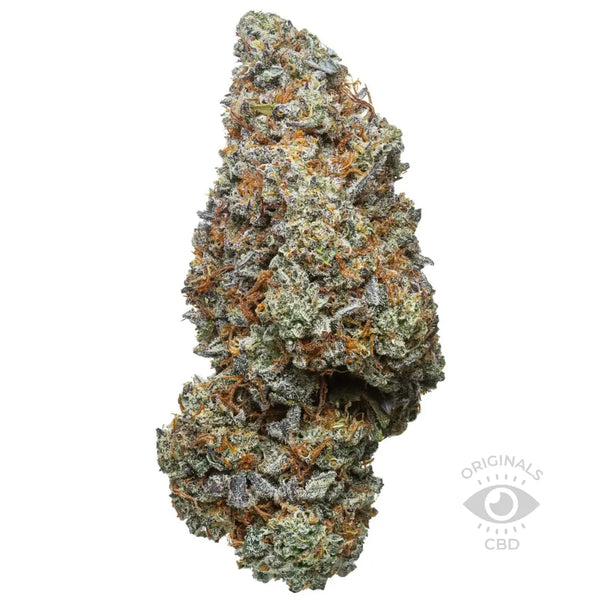
Wipeout CBD Flower
Gassy • Pine • Sweet
 USA
USA
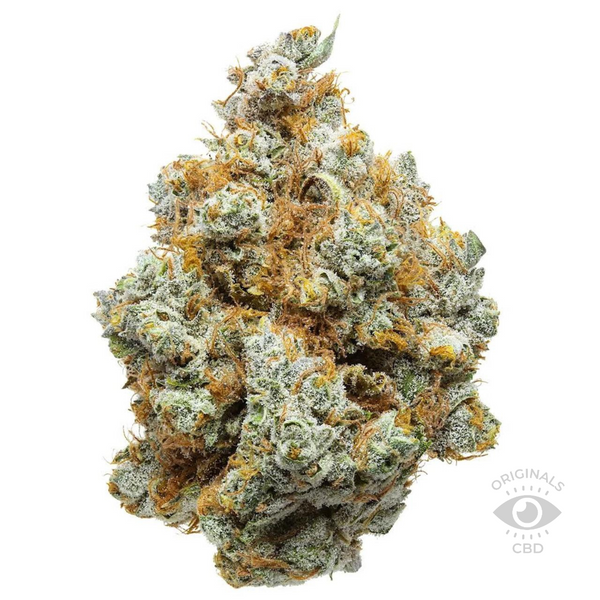
Skunk Butter CBD Flower
Skunky • Buttery • Earthy
 USA
USA
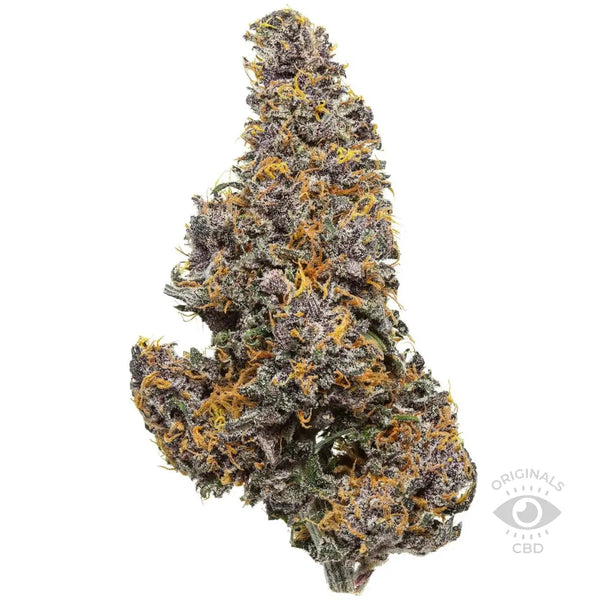
White Cheddar CBG Flower
Cheese • Creamy • Herbal
 USA
USA
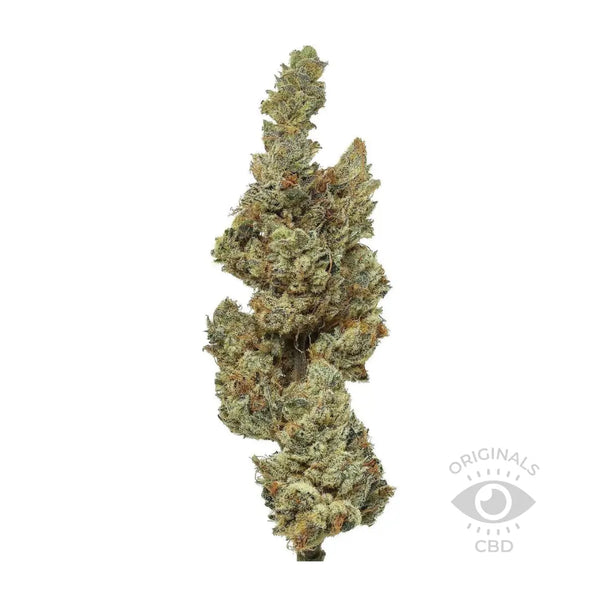
Blue Meringue CBD Flower
Blueberry • Cream • Herbal
 USA
USA
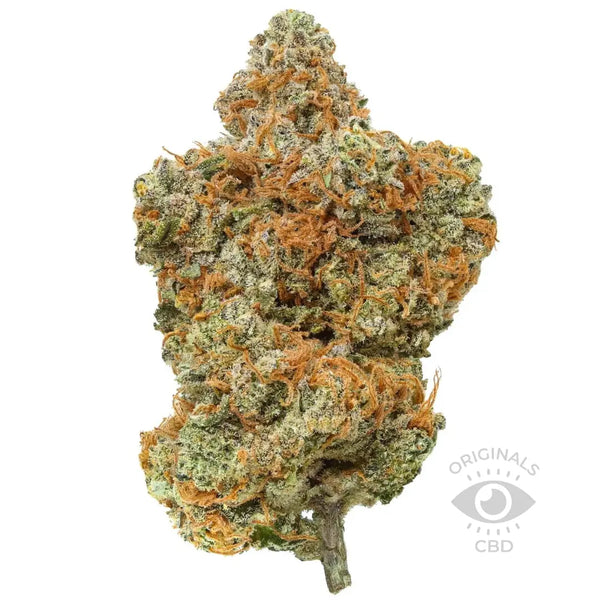
Wizard of OZ CBD Flower
Lemon • Cake • Strawberry
 USA
USA
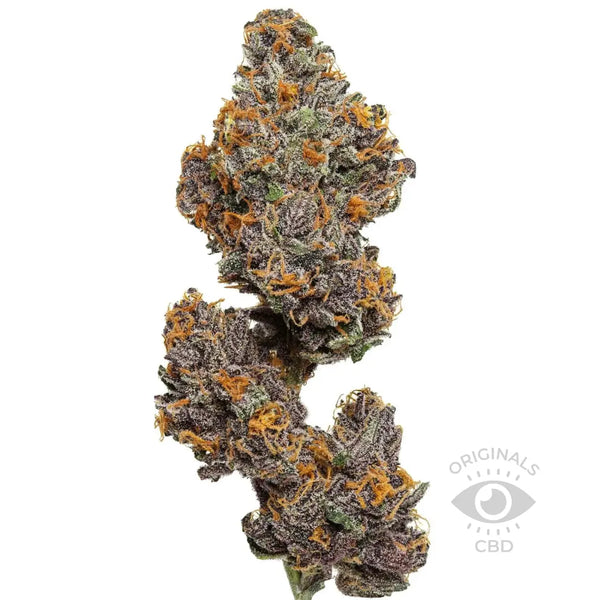
Interstellar CBD Flower
Earthy • Spiced • Funky
 USA
USA
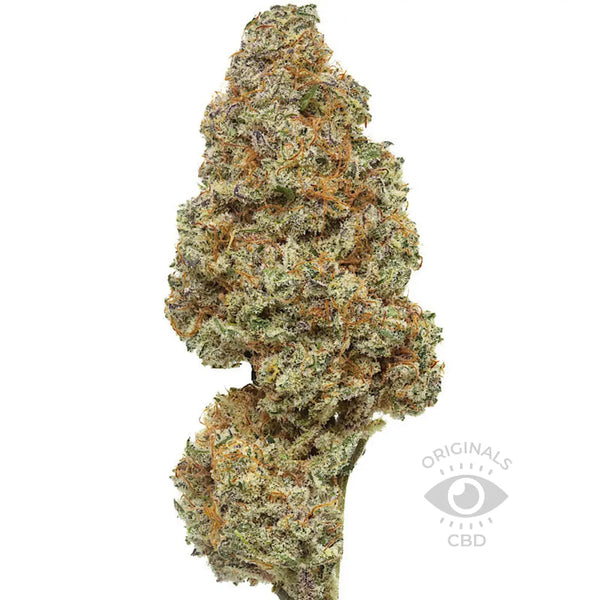
Legendary Platinum OG CBD Flower
Lemon • Floral • Earthy
 USA
USA
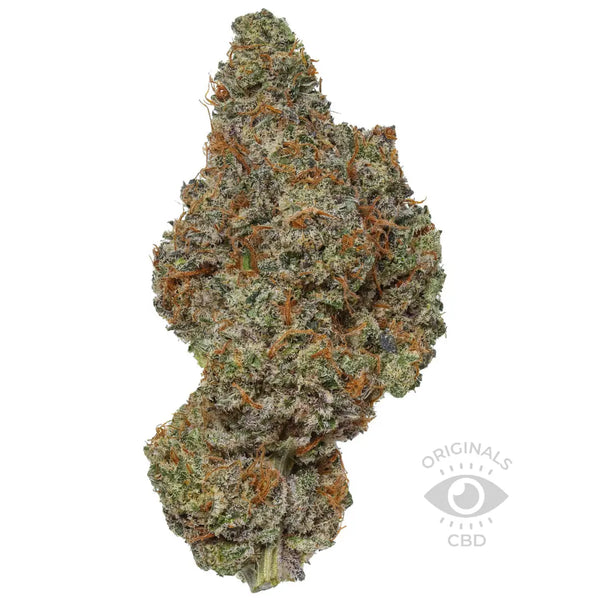
Fabled CBD Flower
Cookie • Mint • Citrus
 USA
USA
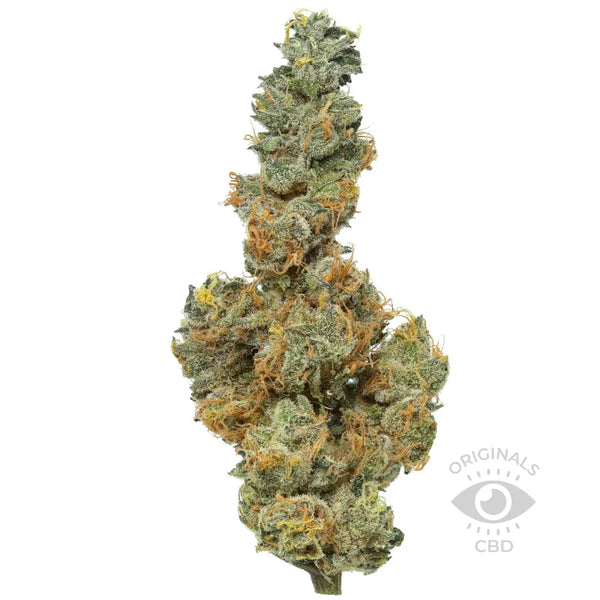
Yak Butter CBD Flower
Cheese • Creamy • Earthy
 USA
USA
Applesauce CBD Flower
Apple • Spiced • Earthy
Trusted by CBD Customers Across the UK
Originals is a UK CBD shop built on doing things properly. Every review below is from a verified UK buyer, in their own words.
CALI & USA GENETICS
What "cali" and USA-genetics CBD flower really means
"Cali" is one of the most chased words in flower, and one of the most misused. It points at a style of genetics and a way of presenting them, not a postcode you can verify on a label. The honest version matters here more than most, because this is the corner of the market where the gap between what's claimed and what's true is widest. So here's exactly what you're looking at when a strain gets the cali tag.
Part of the full CBD flower range — everything we stock, across all strains, grow methods, and price points.
Where "cali" comes from
California built a reputation over decades for craft cannabis breeding: small growers chasing flavour, selecting phenotypes, and naming the results. The exotic lineages people mean by "cali" mostly come out of that scene. The Cookies family, Gelato, the OG crosses, the dessert-named hybrids. Those names travelled the world because the genetics behind them were genuinely distinctive, loud, sweet, and unlike the earthy strains that came before. When you see "cali" on CBD flower, that lineage is what it's reaching for, not necessarily a plane ticket from the West Coast.
The dessert-strain naming, decoded
There's a reason so many cali-lineage strains are named after puddings. The Cookies and Gelato families that defined the scene were bred for sweet, rich, almost edible aromas, and breeders leaned into it with the naming. Blue Meringue, Lemon Cookie Dough and Cake Berry Brulee all sit in that tradition: names that tell you to expect something sweet and dessert-leaning rather than earthy or gassy. It's marketing, yes, but it's marketing that's actually descriptive. The name is a hint at the terpene profile, and the page confirms it.
What a "cali tin" actually is
The pressurised tin became the signature cali format: bud sealed into a printed tin, often nitrogen-flushed to keep it fresh. It started as a practical way to protect and present top-shelf flower, and the look stuck so hard that the tin became shorthand for quality all on its own. Worth knowing, though: a tin is packaging, not proof. Anyone can print a tin. The character is in the genetics and the cure, which is exactly what our product pages spell out, tin or no tin.
Genetics over geography, the honest bit
Plenty of sellers imply their cali flower flew in from California. We won't pretend a postcode we can't stand behind. What we can stand behind is the lineage: flower grown to American-bred exotic genetics, with the strain family named on the page. That's the verifiable part, and it's the part that actually decides how a strain smells and smokes. A Gelato cross grown well carries Gelato's character wherever the plant was rooted. We'd rather tell you what's true than what sells, even when the truthful version is the harder sell.
The terpenes that define the cali style
Cali-lineage flower tends to be loud, and the terpenes are why. The dessert hybrids usually lean on limonene for that sweet citrus lift, caryophyllene for a peppery depth, and on the creamier Gelato side you'll often get a soft, fuel-and-vanilla note that's hard to mistake for anything else. Cake Berry Brulee leans sweet and rich, while Lemon Cookie Dough pushes the citrus right forward. This is sensory character driven by the genetics, nothing more. The dominant terpenes are listed on every page so the aroma you're paying for is one you can check before you buy.
Cali-genetics strains in our range
You'll find American exotic lineages running through this collection, dessert-leaning hybrids like Blue Meringue, Lemon Cookie Dough and Cake Berry Brulee among them, bred from the same families that made cali a byword for flavour. Open any page and you'll see the three things we list on everything: the dominant terpenes, the cannabinoid breakdown, and the genetics and origin. That's how you separate a real exotic from a tin with a nice sticker.
Cali, decoded
FREQUENTLY ASKED QUESTIONS
We won't claim an import origin we can't stand behind, and a lot of "cali" flower on the UK market isn't grown there either. What we can verify is the genetics: our flower is grown to American-bred exotic lineages, with the strain family named on every product page. That lineage is what actually decides how a strain smells and smokes.
"Cali" describes a style of genetics that came out of California's craft breeding scene, the Cookies, Gelato, OG and dessert-family crosses, bred for loud, sweet, distinctive character. It's a flavour and lineage tradition rather than a postcode. The genetics and origin section on each page tells you which family a strain draws on.
No. The tin is packaging that became associated with top-shelf cali flower, but anyone can print a tin. Quality lives in the genetics and the cure, which is why we point you to the dominant terpenes, cannabinoid breakdown and genetics on the page rather than to the packaging.
The Cookies and Gelato families that defined the cali scene were bred for sweet, rich, dessert-like aromas, and breeders named them to match. So a name like Cake Berry Brulee is a genuine hint at a sweet terpene profile. The dominant terpenes on the page confirm whether the name lives up to it.