

SHOP CBD FLOWER
Lab-verified UK hemp flower, with the terpene profile, cannabinoid breakdown and genetics listed on every product. Order before 1pm for next-day delivery. Know exactly what you're getting.
Shop CBD Flower Products
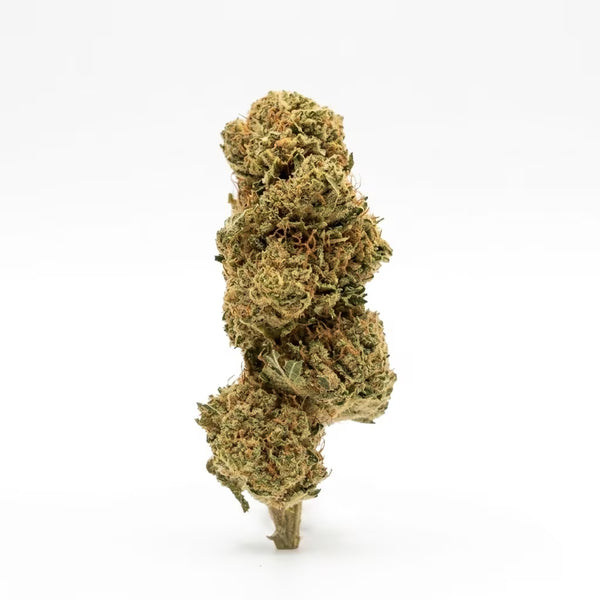
 Switzerland
Orange Bud CBD Flower
Sweet Orange • Tropical Mango • Earthy
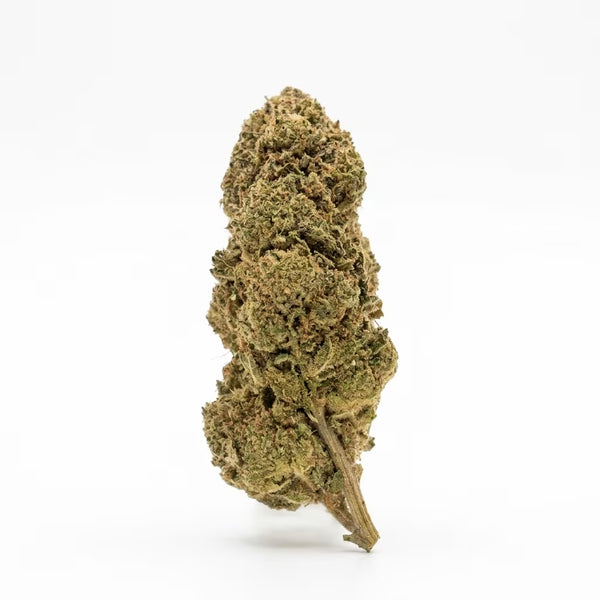 Switzerland
Snowflake CBD Flower
Citrus • Gassy • Sweet Pine
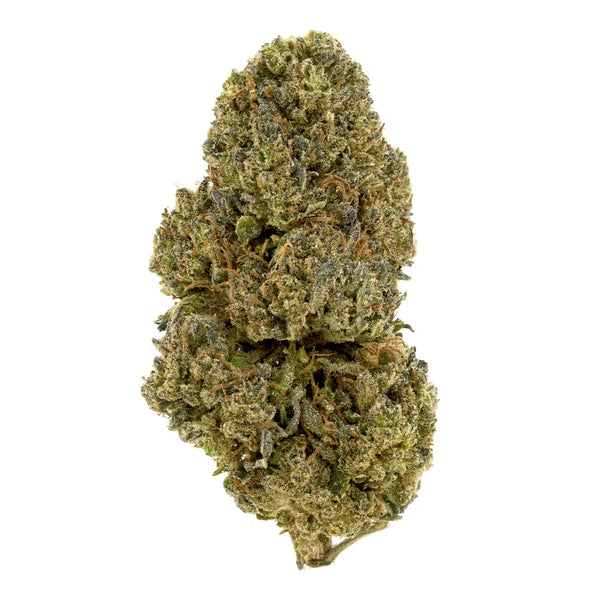
 USA
USA
Royal OG CBD Flower Sun grown
Lemon • Woody • Sweet Candy
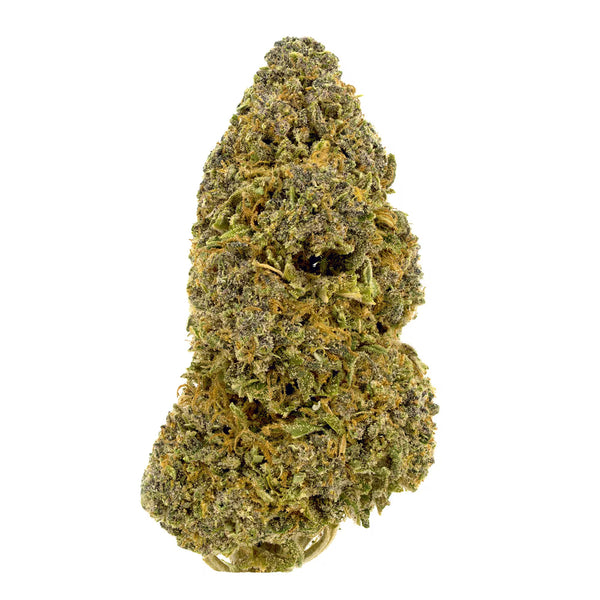 USA
USA
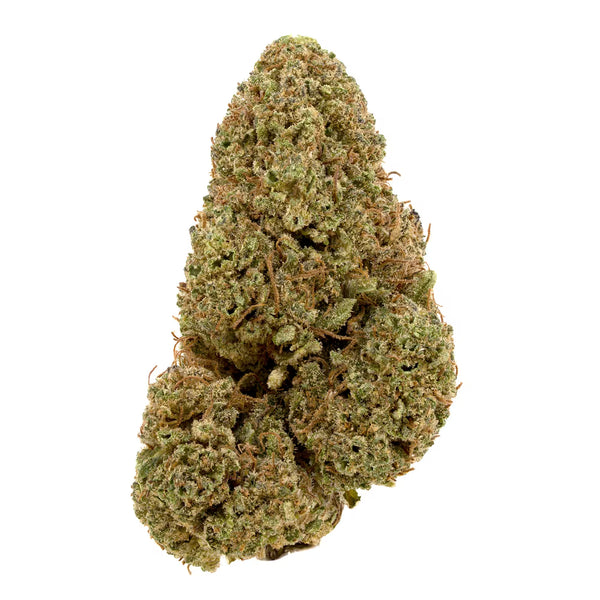
Puff Pastries CBD Flower Sun grown
Lemon Cream • Vanilla • Pastry
 USA
USA
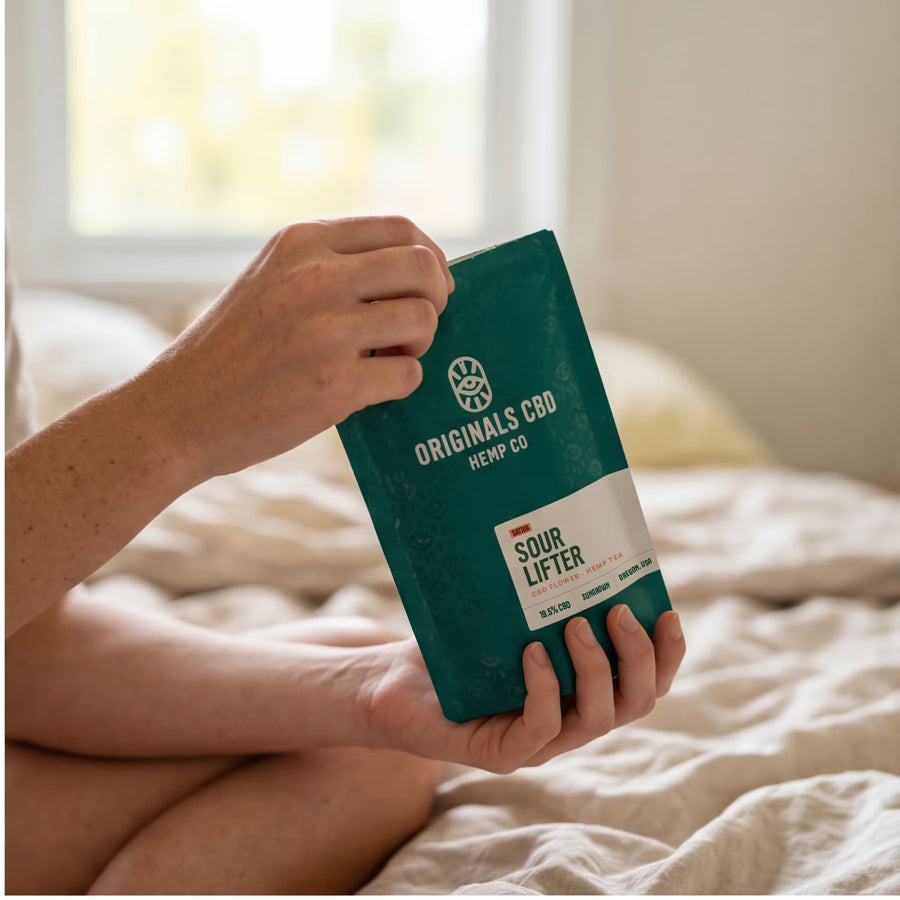
Sour Lifter CBD Flower Sun grown
Sour Citrus • Gas • Chemical

WHAT'S ACTUALLY IN YOUR FLOWER
TERPENE GUIDE
 Greece
Amnesia CBD Flower - Glasshouse
Lemon Citrus • Haze Spice • Earthy
 Greece
Harle-Tsu CBD Flower - Greenhouse
Earthy Pine • Woody Spice • Citrus
 USA
USA
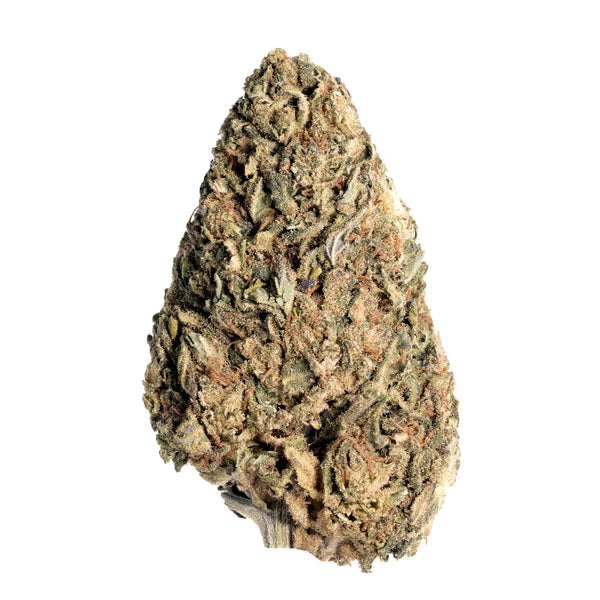
Super Sour Space Candy CBD Flower
Sour Grapefruit • Sweet Berry • Gassy
 EU
EU
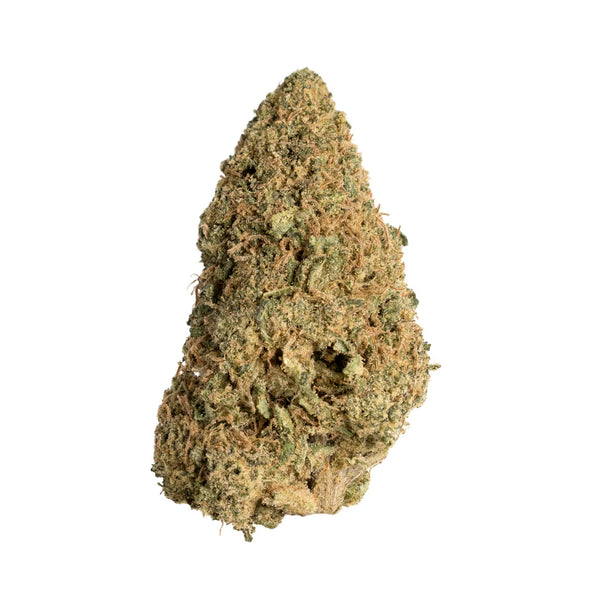
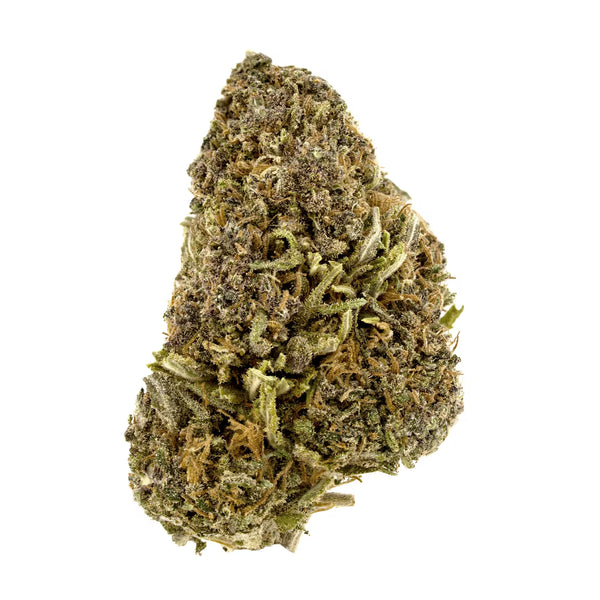
Mango Haze CBD Flower
Mango • Tropical • Haze Spice
 USA
USA
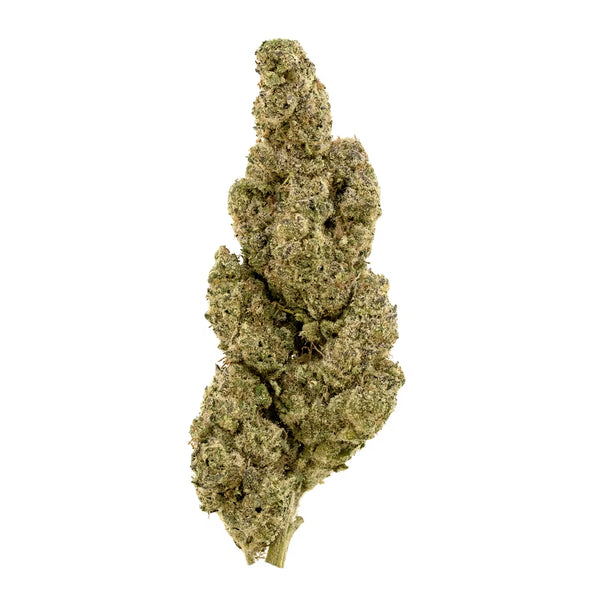
Rainbow Sherbet CBD Flower Sun grown
Citrus • Fruity • Gassy
 Switzerland
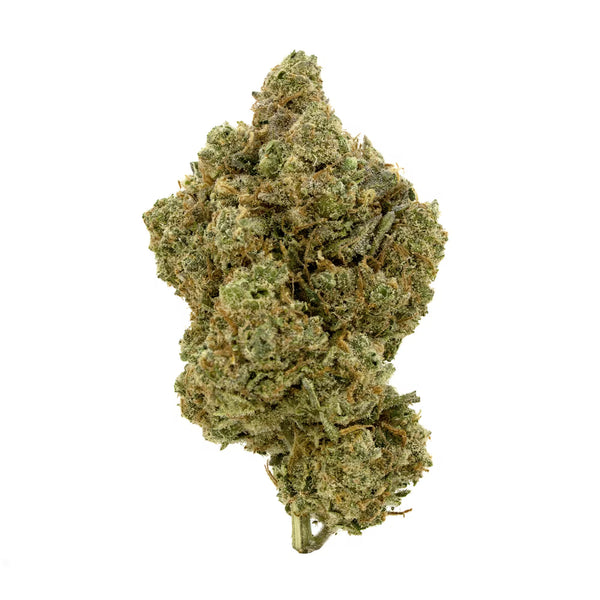
Plutonium CBD Flower
Tropical • Pine • Earthy
 Switzerland
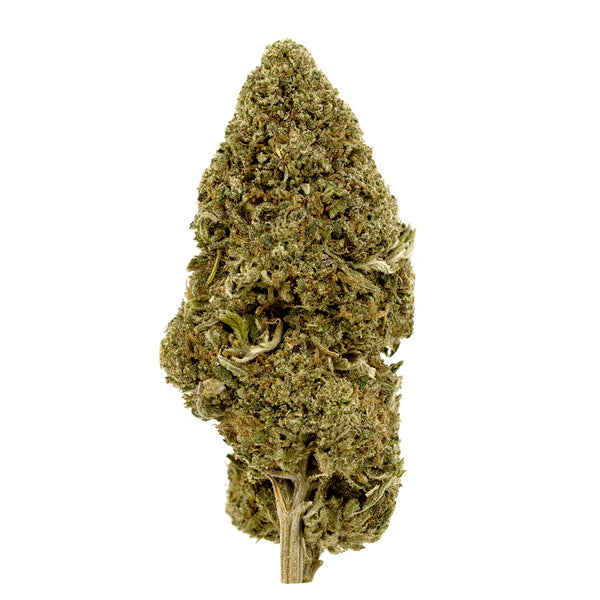
Amnesia Haze CBD Flower
Lemon • Spiced • Earthy Haze
 USA
USA
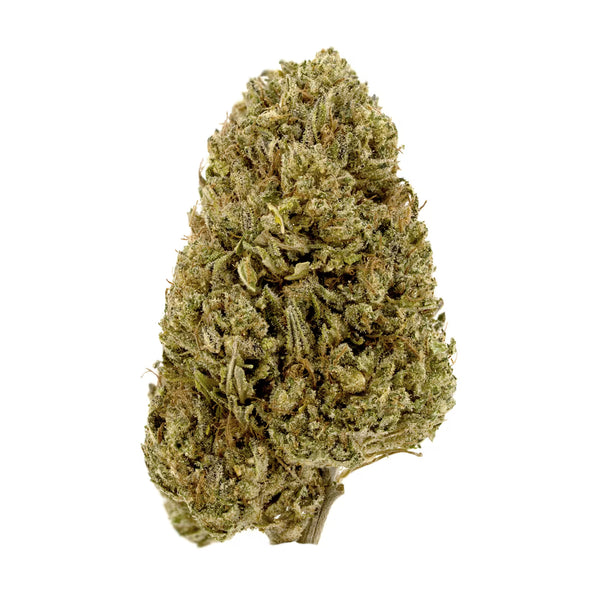
Lavender Cupcakes CBD Flower Sun grown
Chocolate • Earthy • Berry
 USA
USA
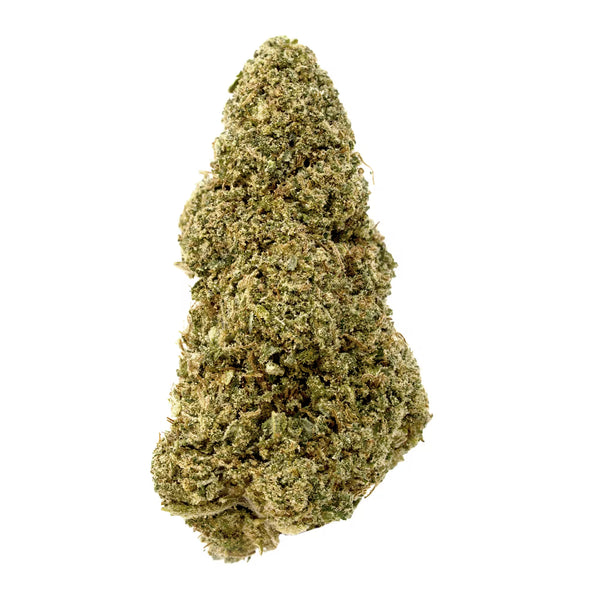
Lemon Octane #13 CBD Flower Sun grown
Lemon • Gas • Citrus
 Switzerland
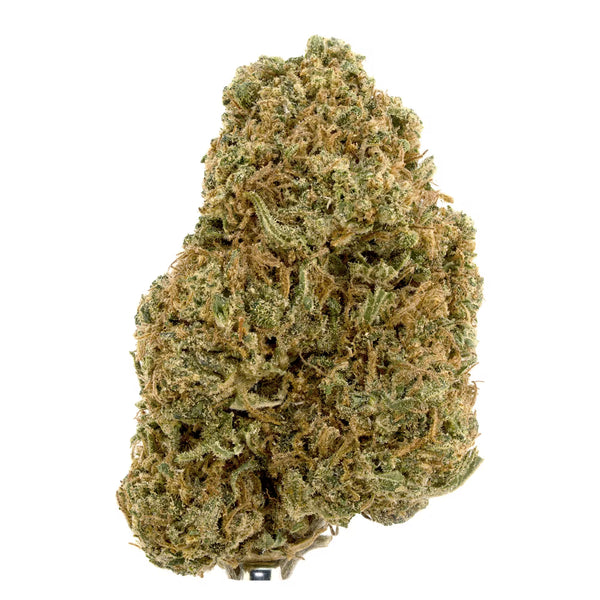
Super Lemon Haze CBD Flower
Lemon • Lime • Grapefruit
 USA
USA
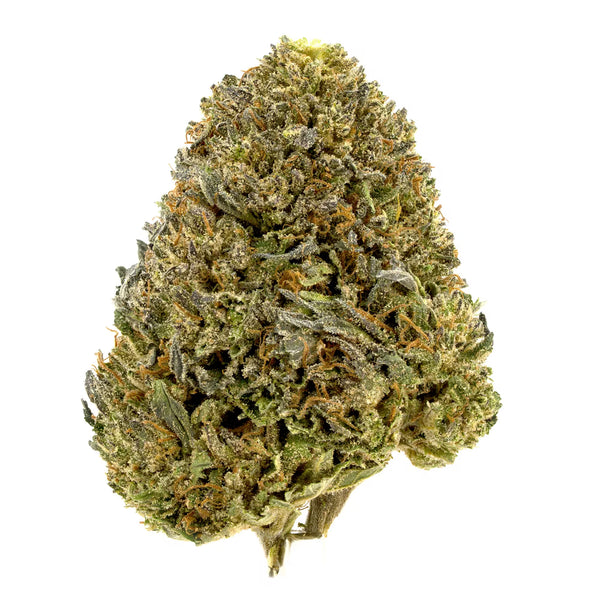
Allium OG CBD Flower Sun grown
Garlic • Tropical • Peach Ring
 USA
USA
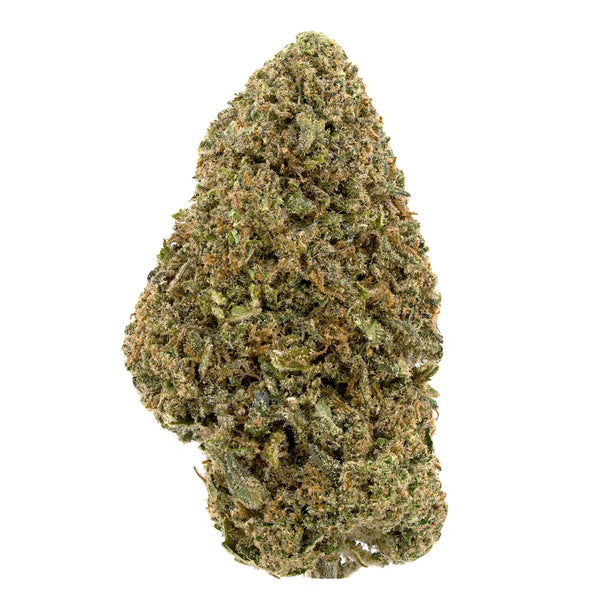
Bubba Kush 59 CBD Flower Sun grown
Earthy • Skunky • Magnolia
 USA
USA
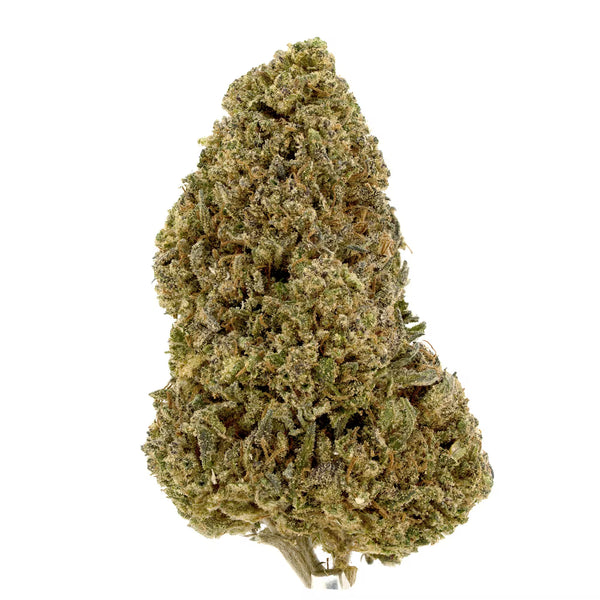
Critical Berries CBD Flower Sun grown
Berry • Spiced • Forest Earth
 USA
USA
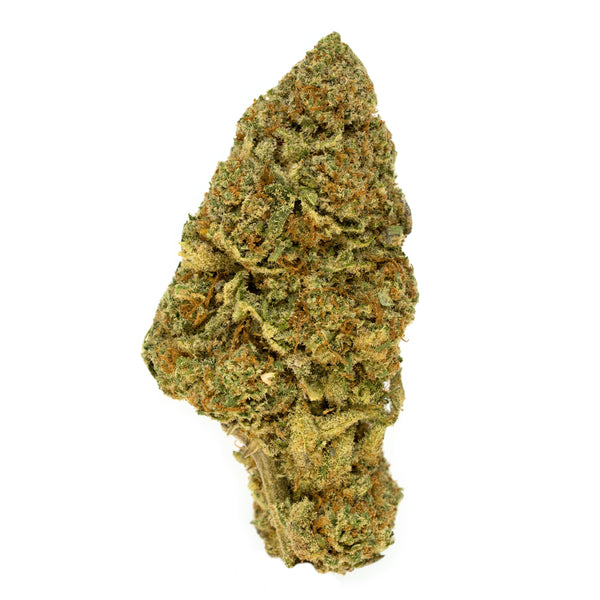
Fyre OG CBD Flower Sun grown
Lemon • Gas • Spiced Pine
 USA
USA
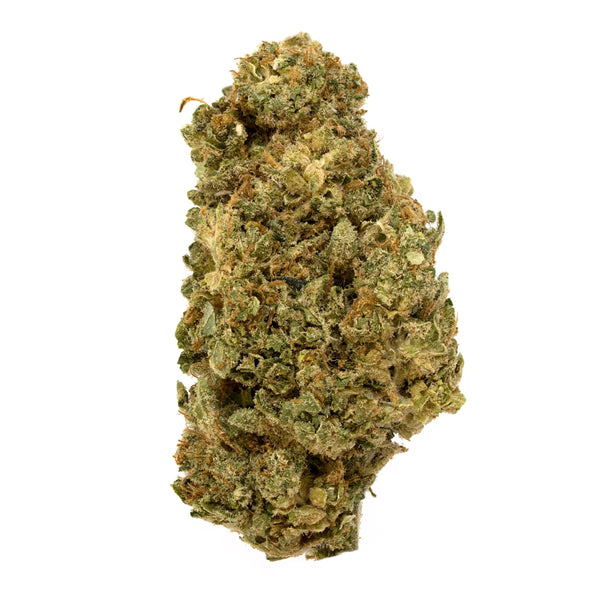
Rock Candy CBD Flower
Candy • Pine • Diesel
 USA
USA
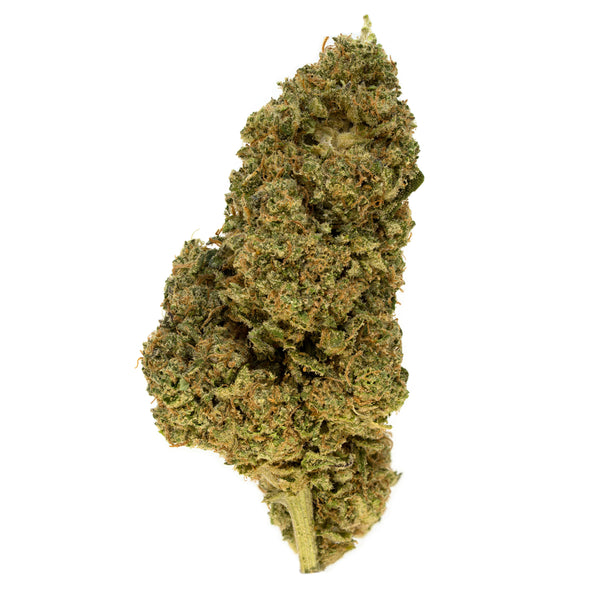
Allium OG CBD Flower
Garlic • Tropical • Diesel
 USA
USA
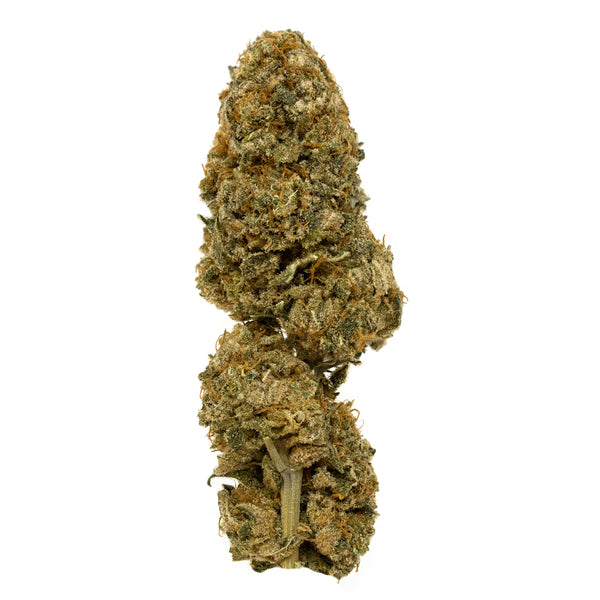
Skunk Jam CBD Flower
Strawberry • Skunk • Earthy
 USA
USA
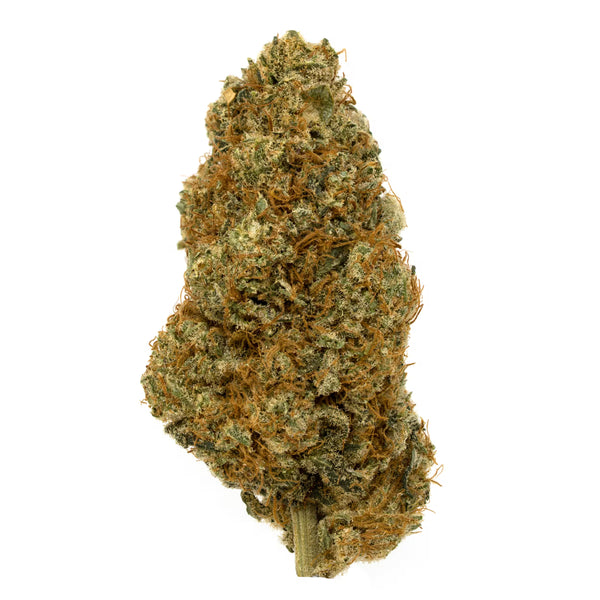
Llama Tonic CBD Flower
Herbal • Citrus • Pine
 USA
USA
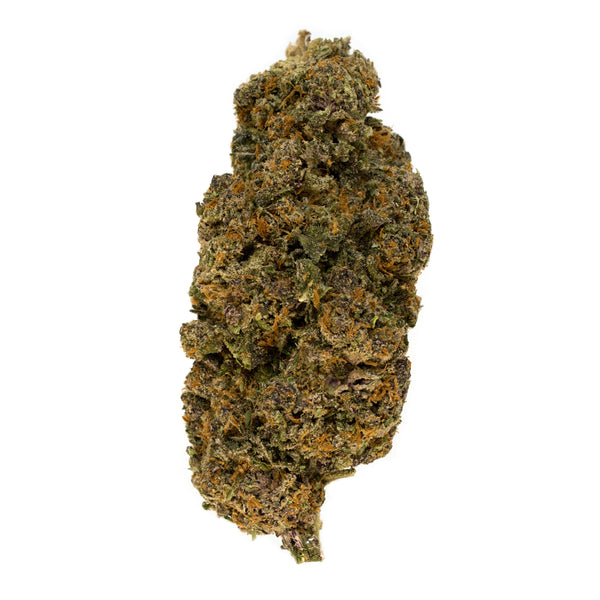
Grape Kush CBD Flower
Grape • Spiced • Earthy
 USA
USA
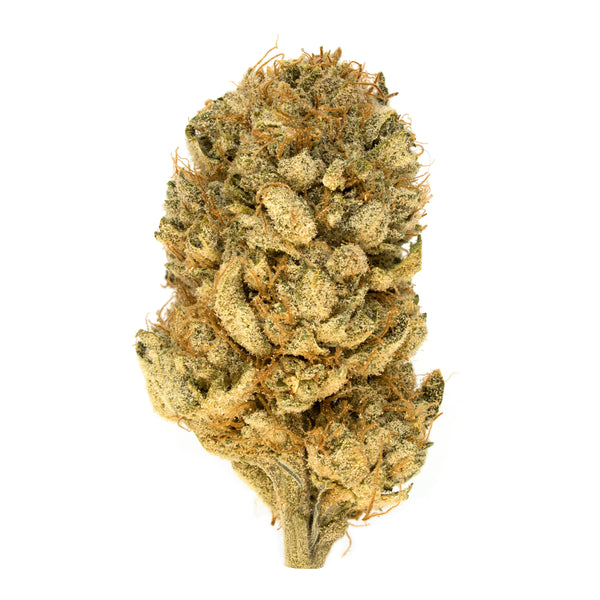
Paytons Strawberries CBD Flower
Strawberry • Lemon • Gassy
 USA
USA
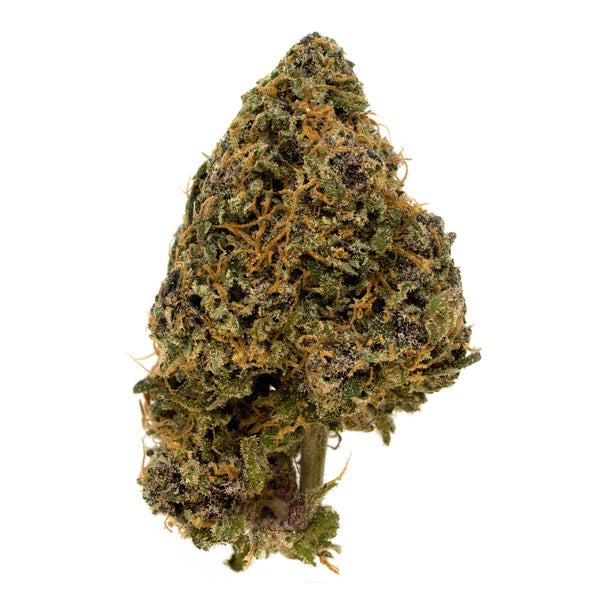
Lemon CBG Flower
Lemon • Floral • Fresh
 USA
USA
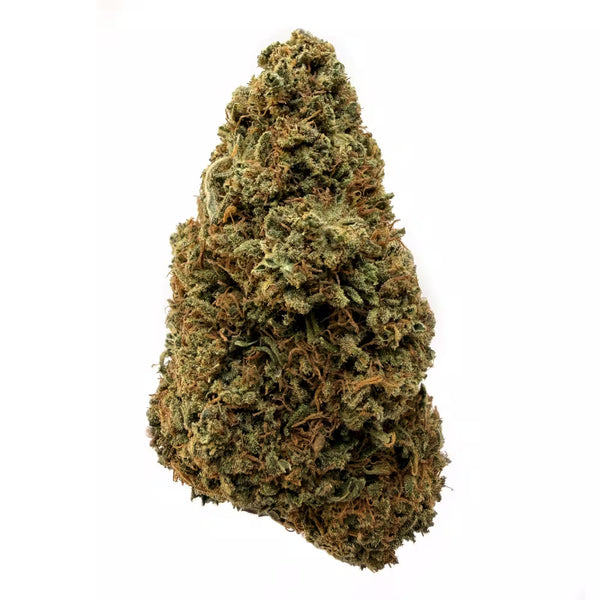
Ultra Pink CBD Flower
Bubblegum • Mango • Sweet
 Switzerland
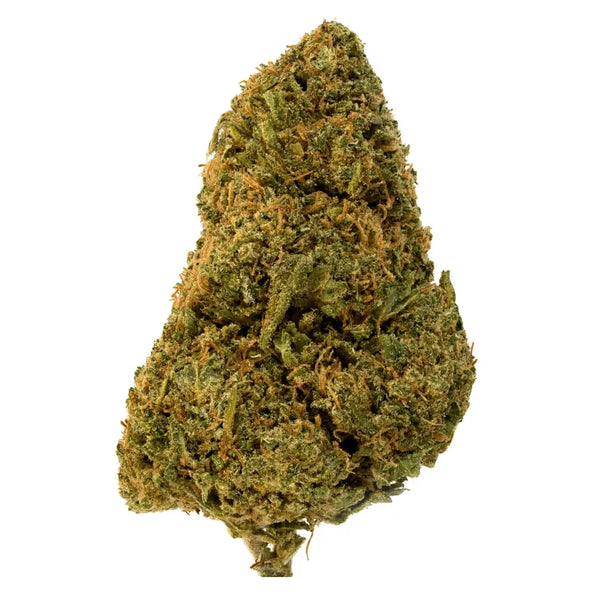
Gelato 33 CBD Flower
Creamy • Sweet • Citrus
 USA
USA
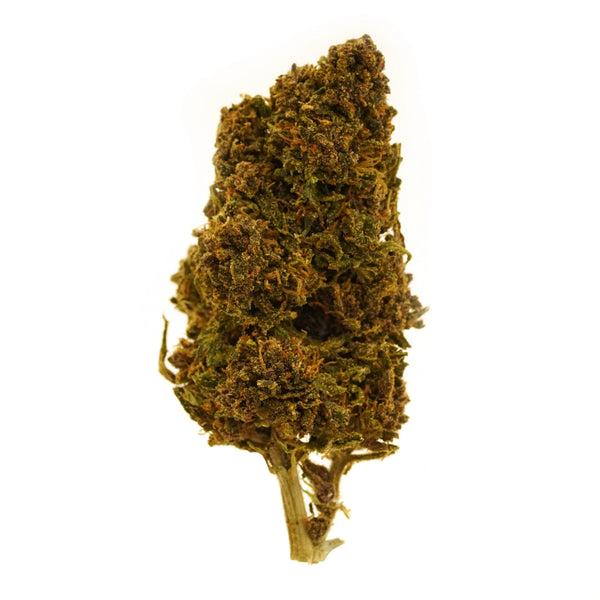
Big Apple Jacks CBD Flower
Green Apple • Vanilla • Gassy
 USA
USA
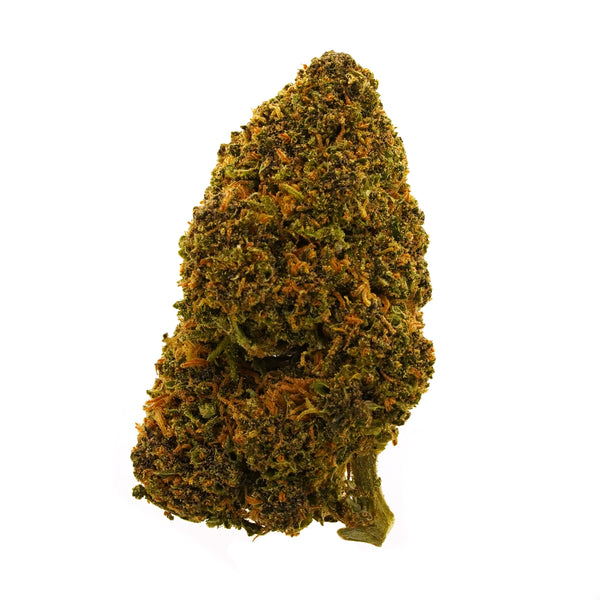
Blue Meringue CBD Flower
Blueberry • Cream • Herbal
 USA
USA
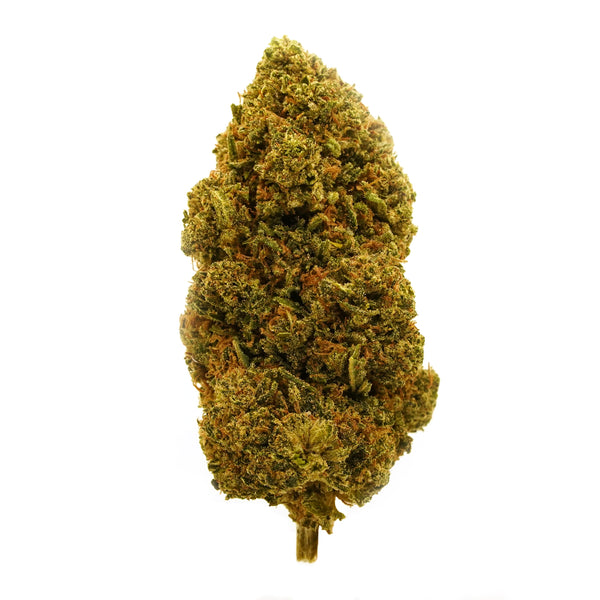
Pink Panther CBD Flower
Grape Candy • Tropical • Floral
 USA
USA
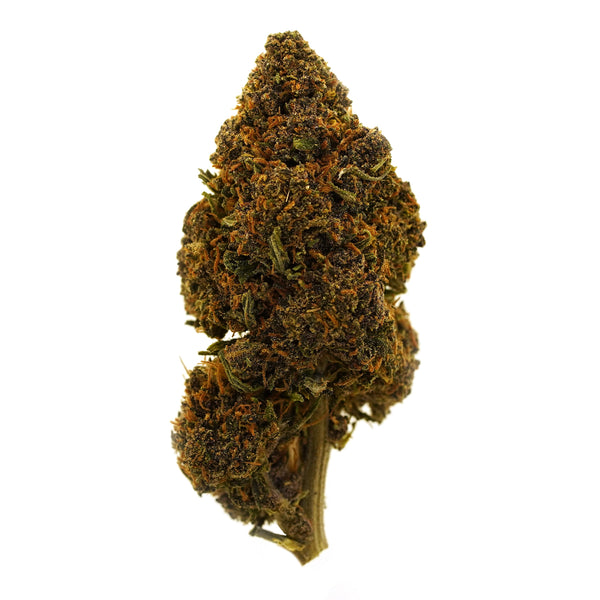
Lemon Cookie Dough CBD Flower
Lemon • Cookie Dough • Gassy
 USA
USA
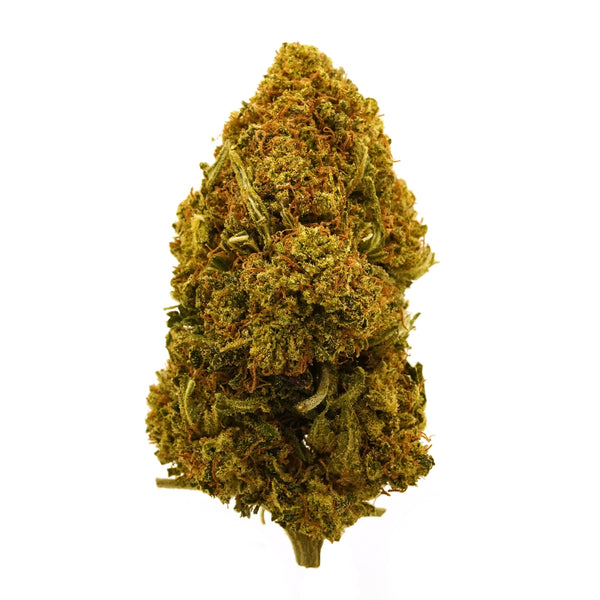
Sapphire Kush CBD Flower
Raspberry • Mandarin • Floral
 USA
USA
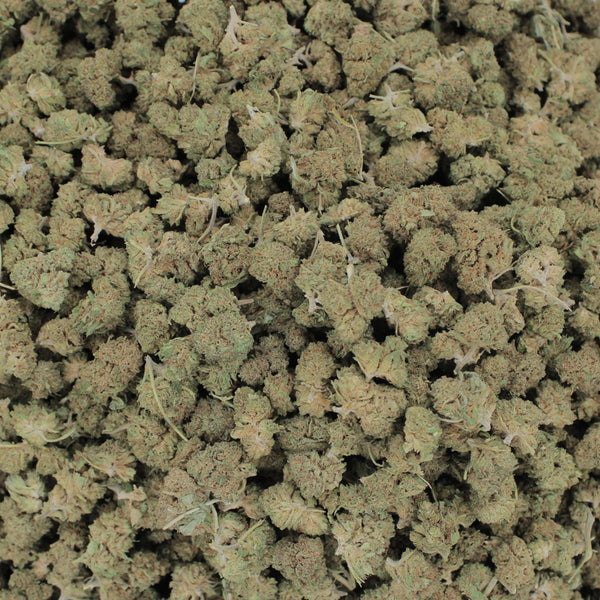
Pineapple Cookie Dough CBD Flower
Pineapple • Cookie • Citrus
 USA
USA
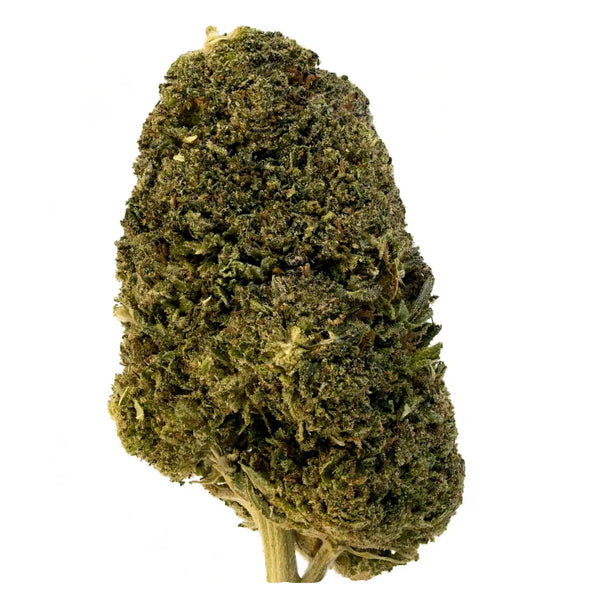
Lifter Smalls CBD Flower
Earthy • Citrus • Fuel
 USA
USA
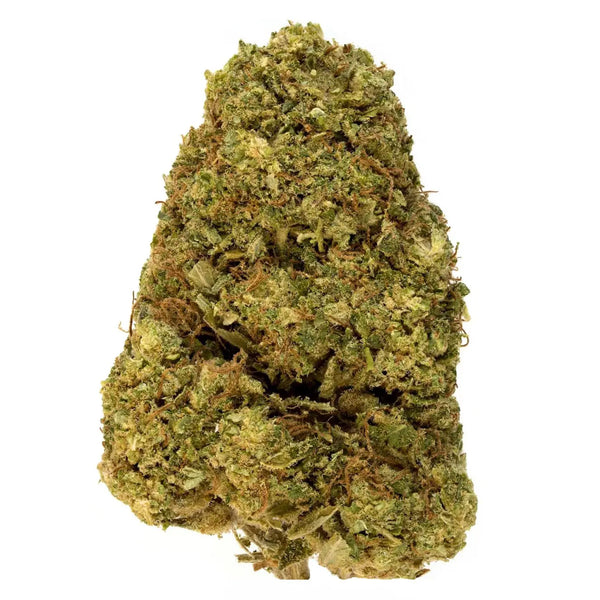
Bubba Kush 12 CBD Flower
Earthy • Coffee • Spiced
 USA
USA
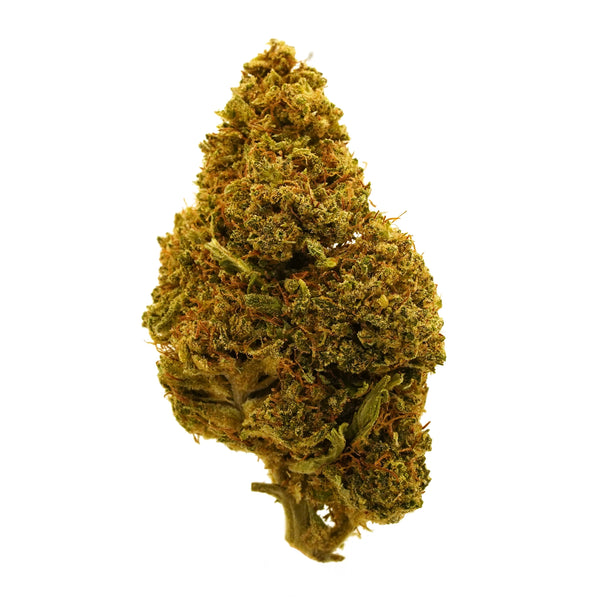
Sour Chem Connoisseur Cut CBD Flower
Sour Citrus • Diesel • Pine
 USA
USA
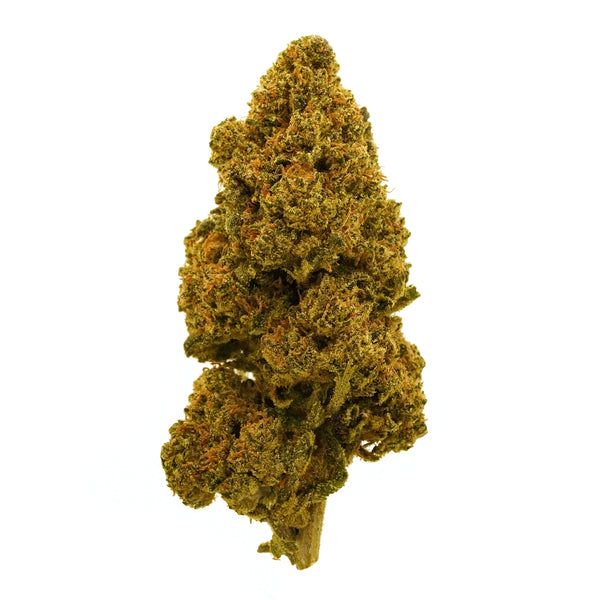
Sour Chem CBD Flower
Sour Citrus • Diesel • Pine
 USA
USA
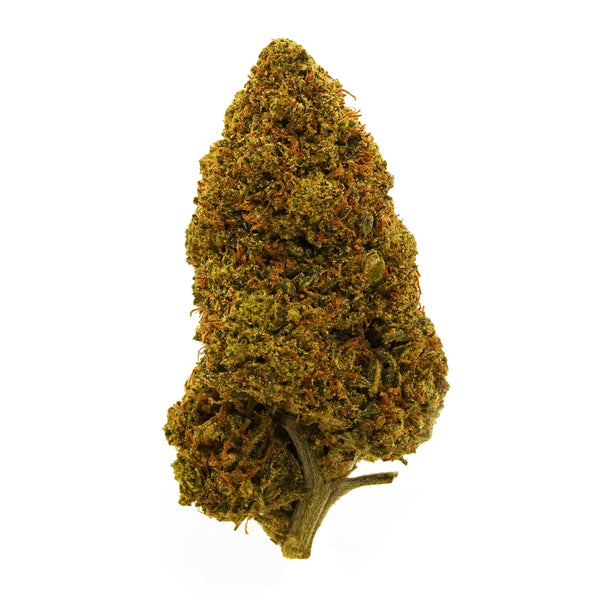
Strawberry Banana CBD Flower
Strawberry • Banana • Diesel
 USA
USA
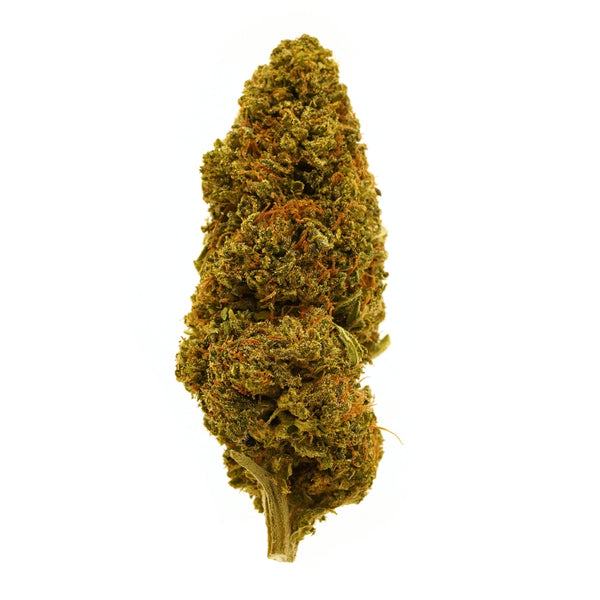
Raspberry Bear Claw CBD Flower
Raspberry • Candy • Cookie
 USA
USA
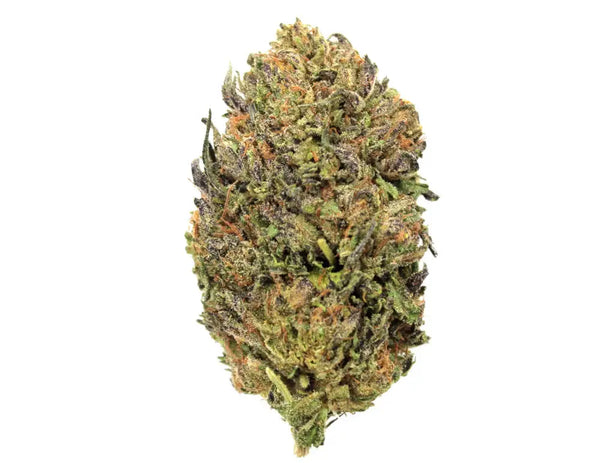
Legendary Banana Mac CBD Flower
Banana • Vanilla • Spiced
 USA
USA
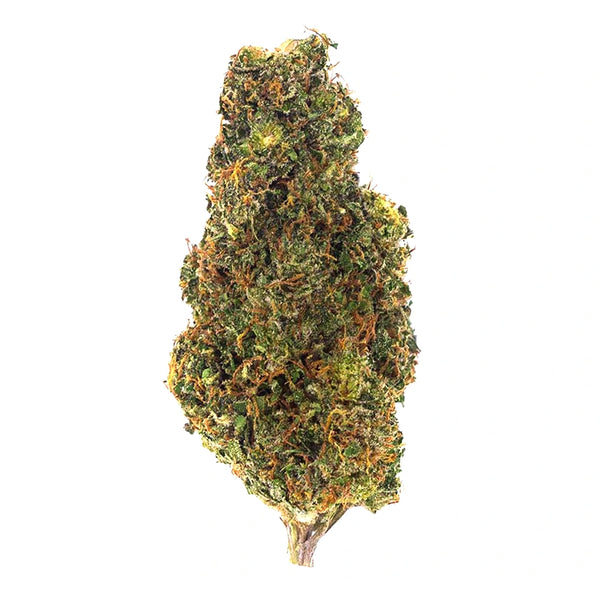
Bubba Kush 59 (Machine Trimmed) CBD Flower
Earthy • Coffee • Spiced
 USA
USA
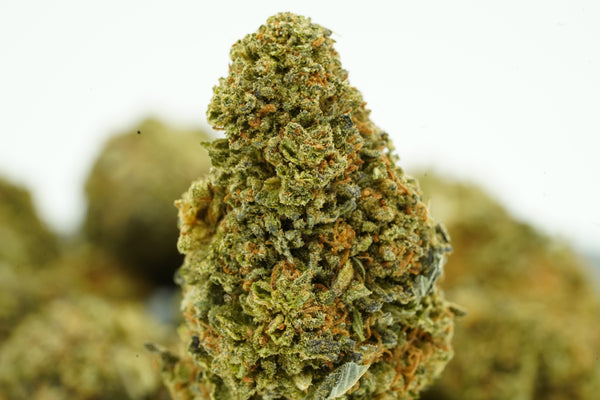
Lemon Octane (Machine Trimmed) CBD Flower
Lemon • Citrus • Fuel
 USA
USA
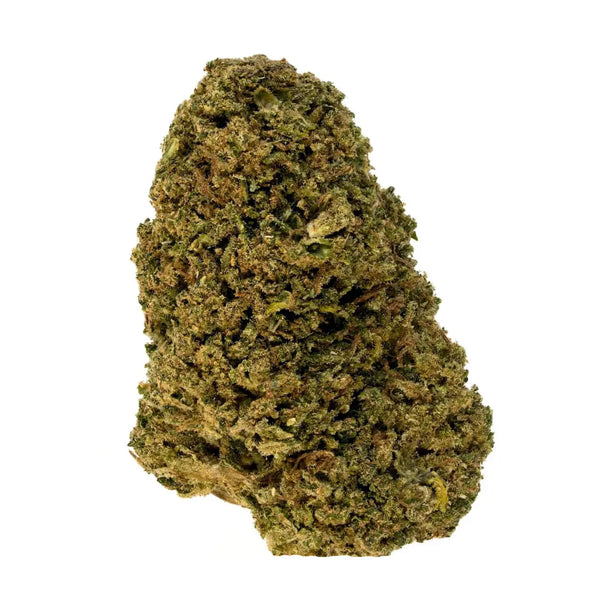
Legendary Kush CBD Flower
Earthy • Pine • Citrus
 USA
USA
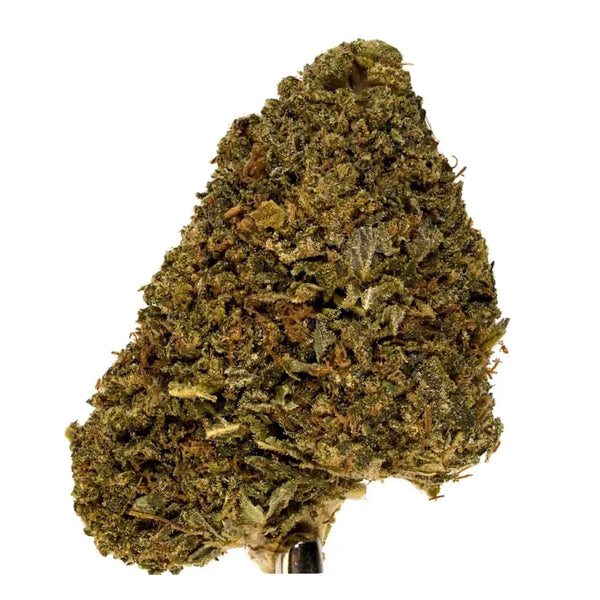
Critical Berries CBD Flower
Berry • Spiced • Earthy
 USA
USA
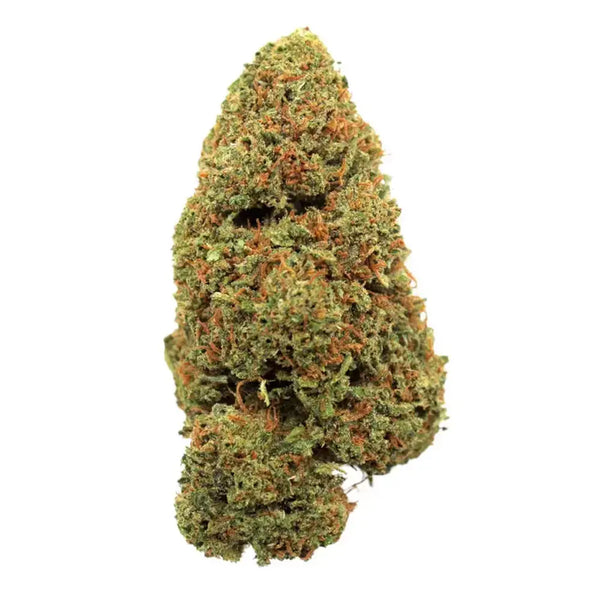
Royal OG CBD Flower
Cherry • Pine • Earthy
 USA
USA
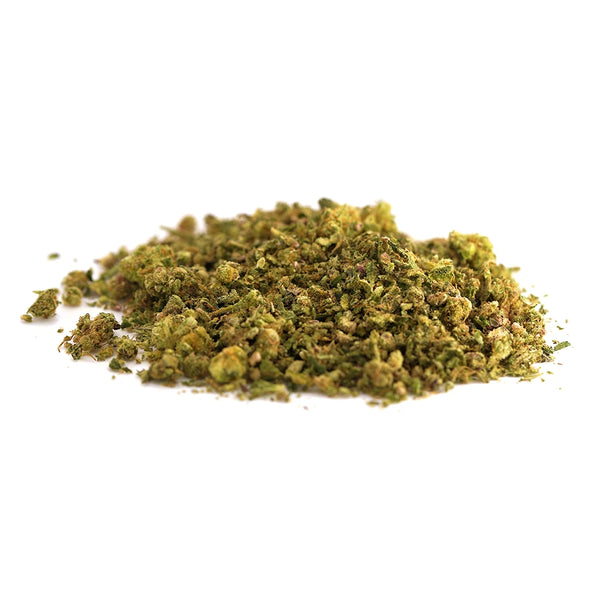
Lifter CBD Flower
Earthy • Citrus • Fuel
 USA
USA
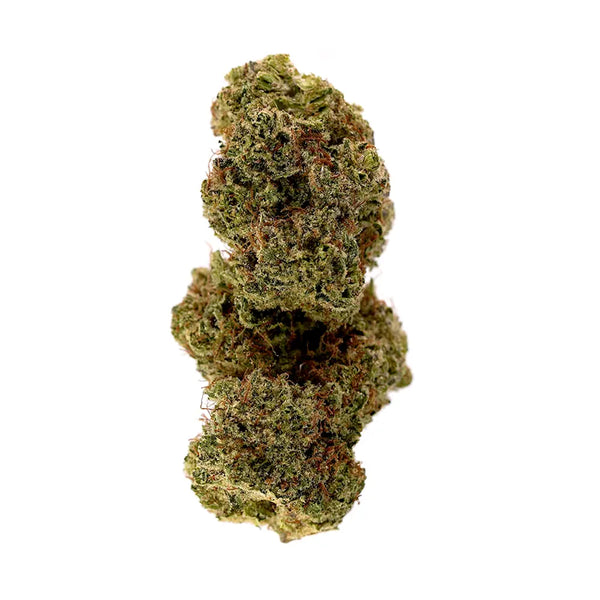
Mixed Trim/Shake CBD Flower
Mixed • Earthy • Herbal
 France
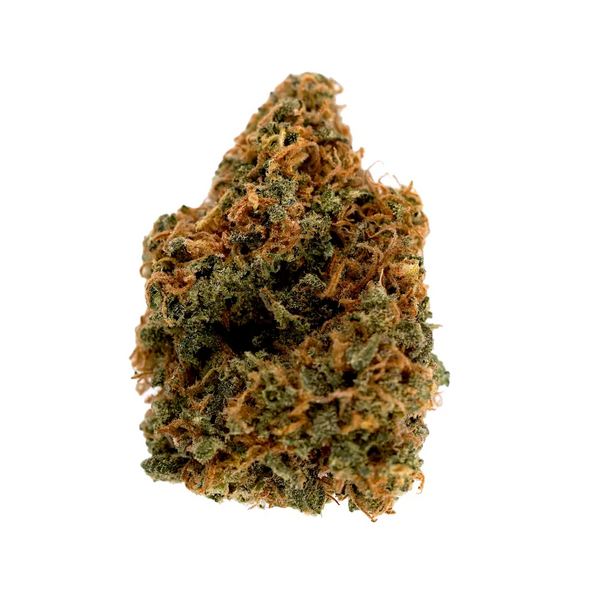
Bubblegum CBD Flower
Bubblegum • Strawberry • Floral
 France
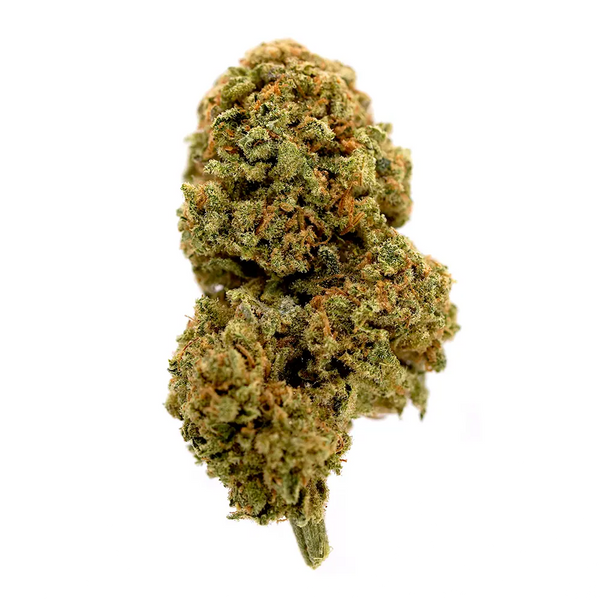
Blue Fruit CBD Flower
Blueberry • Sweet • Earthy
 France
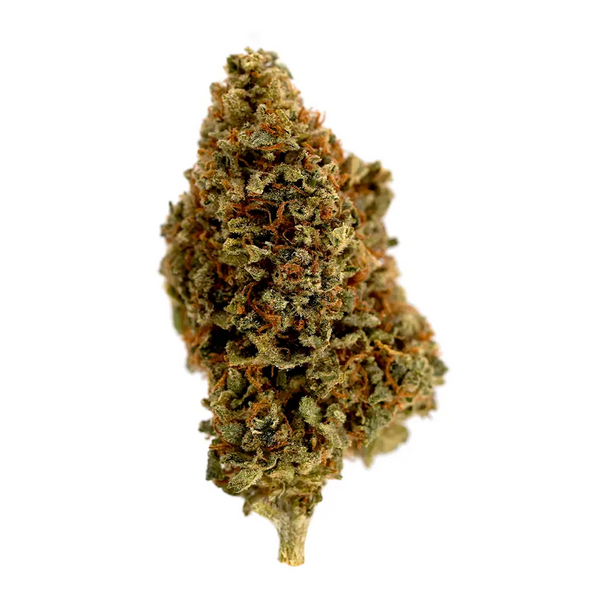
Wedding Cake CBD Flower
Vanilla • Sweet • Earthy
 France
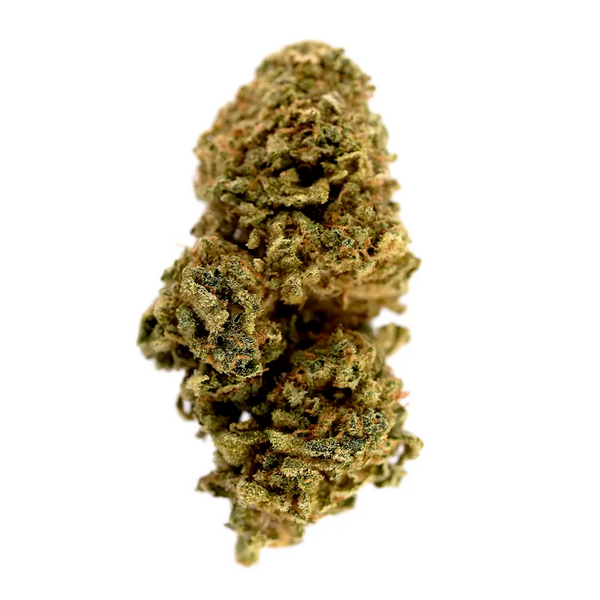
Gorilla Orange CBD Flower
Orange • Musky • Floral
 France
Platinum OG CBD Flower
Musky • Gassy • Pine
USA
Lemon Octane CBD Flower
Lemon • Citrus • Fuel
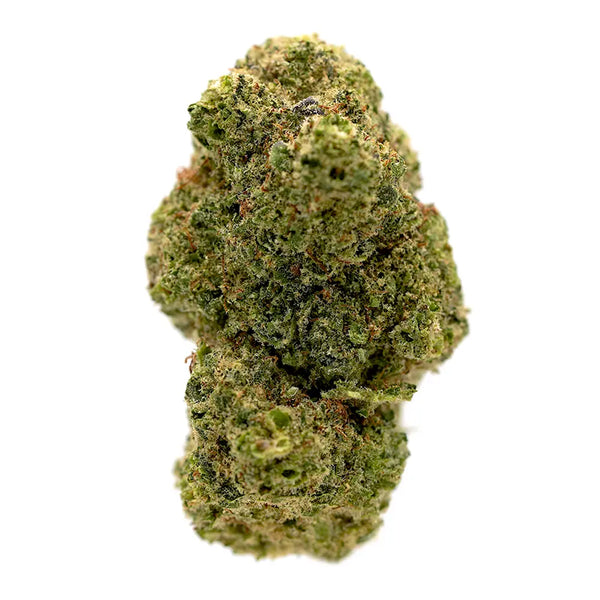 Switzerland
Jungle Juice CBD Flower
Papaya • Peach • Tropical
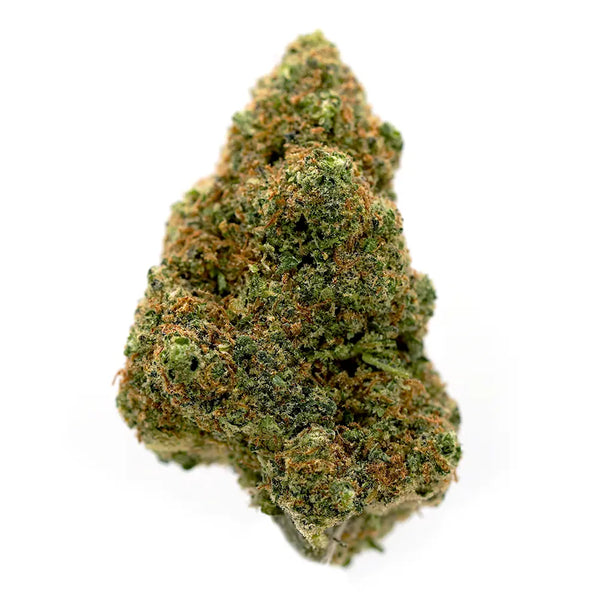 Switzerland
Blue Batter CBD Flower
Blueberry • Raspberry • Cakey
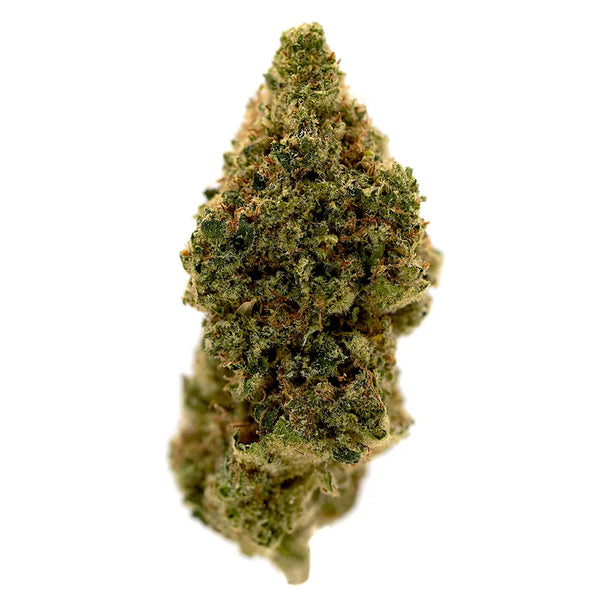 Switzerland
Citrus Spritz CBD Flower
Orange • Nectarine • Citrus
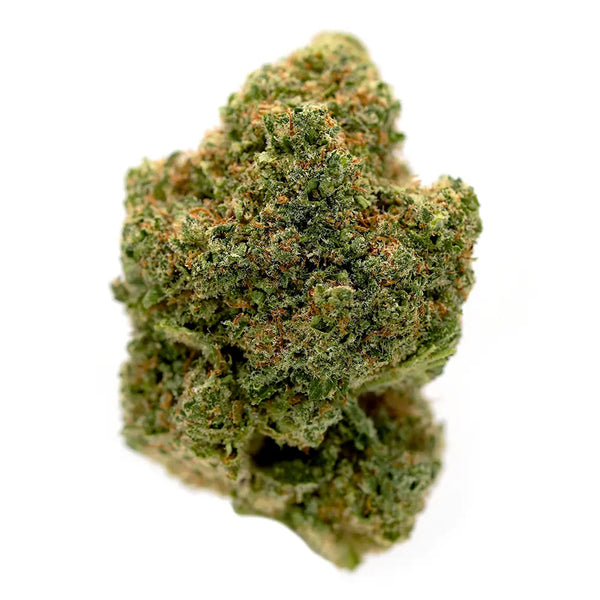 Switzerland
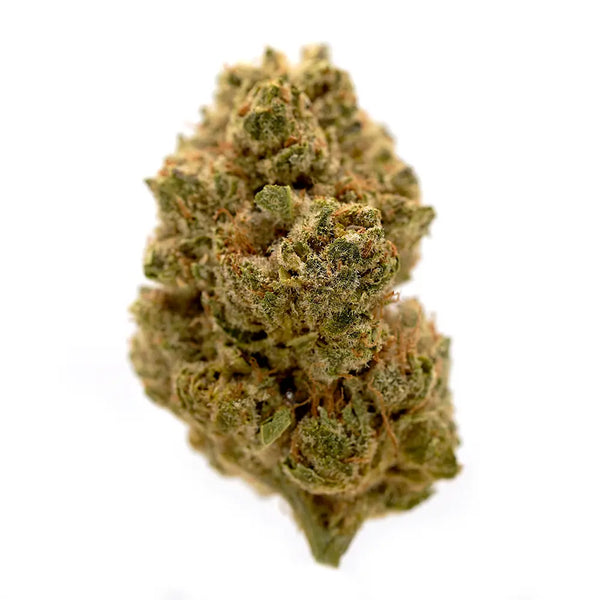
Frosted Lemon Cherry CBD Flower
Lemon • Cherry • Creamy
 USA
USA
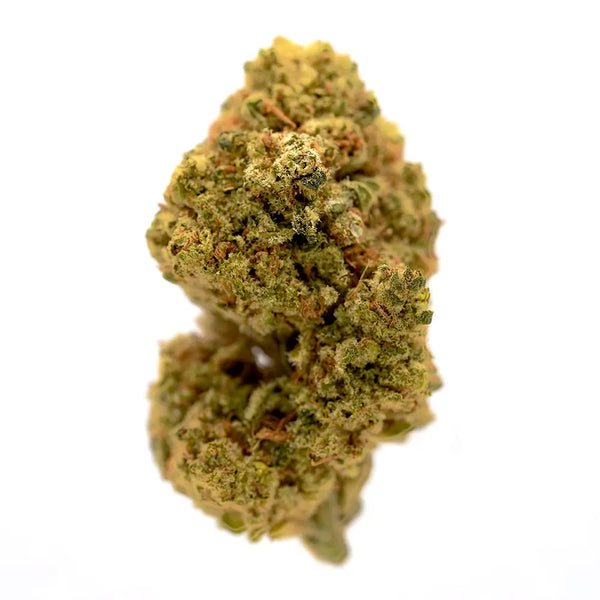
Space Invader CBD Flower
Sour Gas • Pine • Citrus
 USA
USA
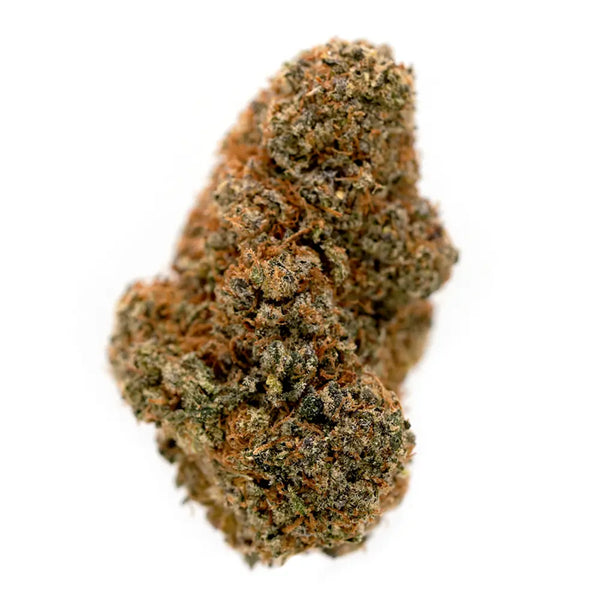
Mai Tai CBD Flower
Tropical • Gassy • Sweet
 USA
USA
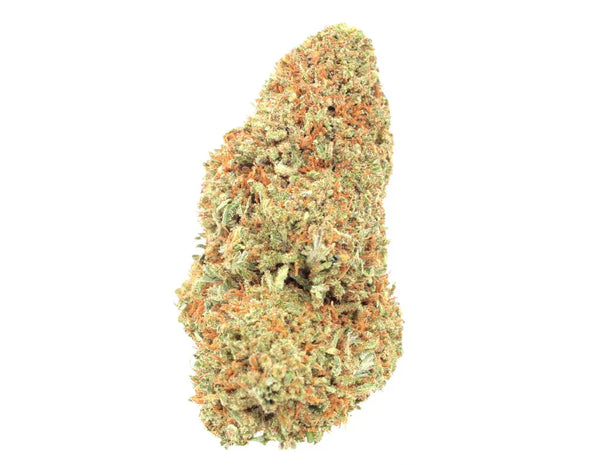
Godfather OG Indoor CBD Flower
Funky Fruit • Kushy • Sweet
 USA
USA
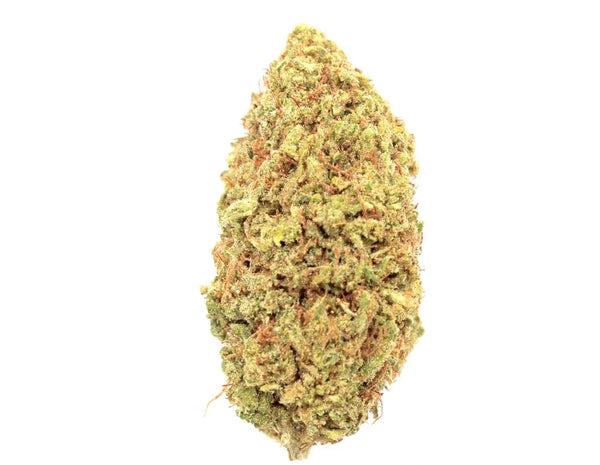
Super Purps CBD Flower
Grape • Berry • Earthy
 USA
USA
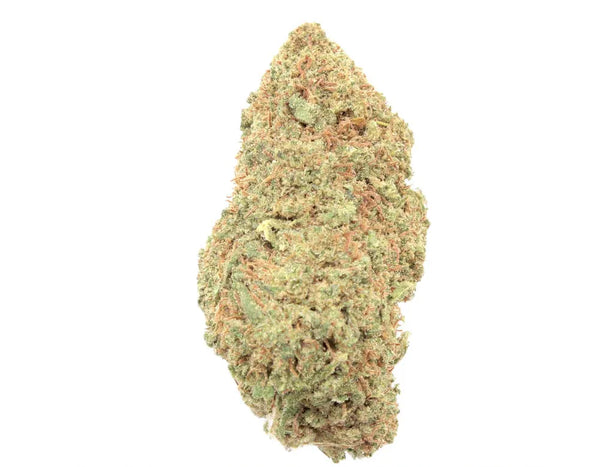
Sour Suver Haze CBD Flower
Sour Lime • Spiced • Gassy
 USA
USA
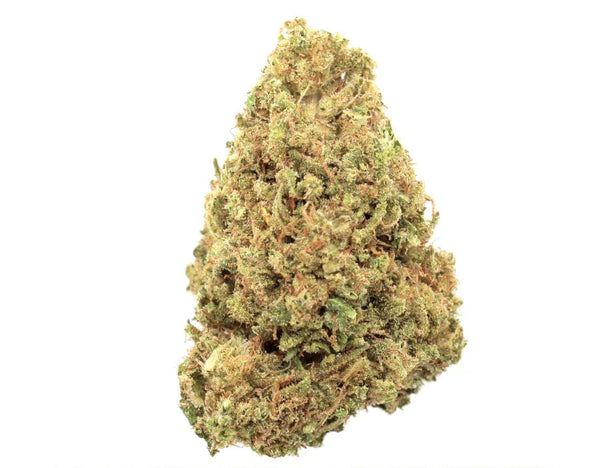
Sour Lifter CBD Flower
Sour Citrus • Grape • Diesel
 USA
USA
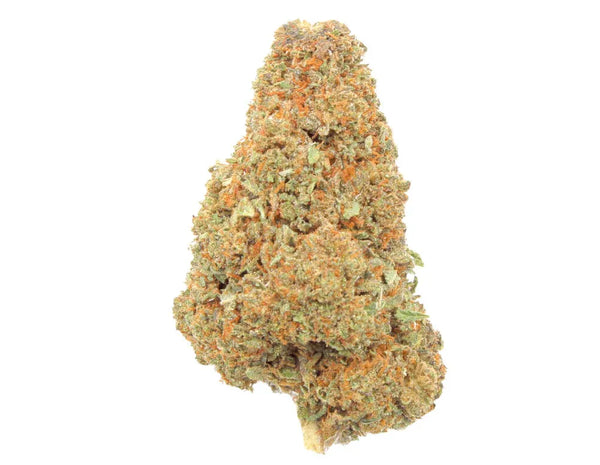
Sour Brûlée CBD Flower
Sour Citrus • Diesel • Creamy
 USA
USA
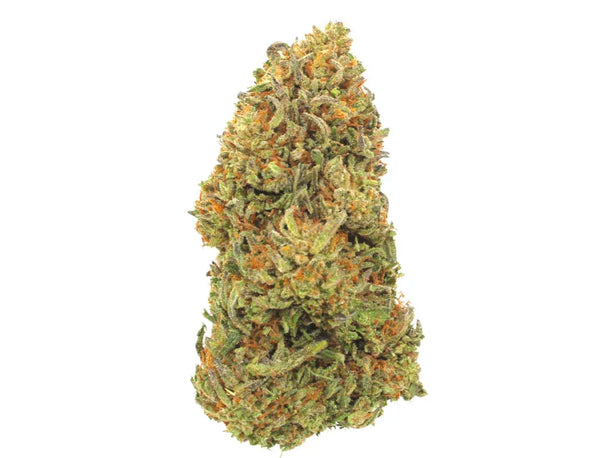
Royal Fruit Snacks CBD Flower
Berry • Citrus • Tropical
 USA
USA
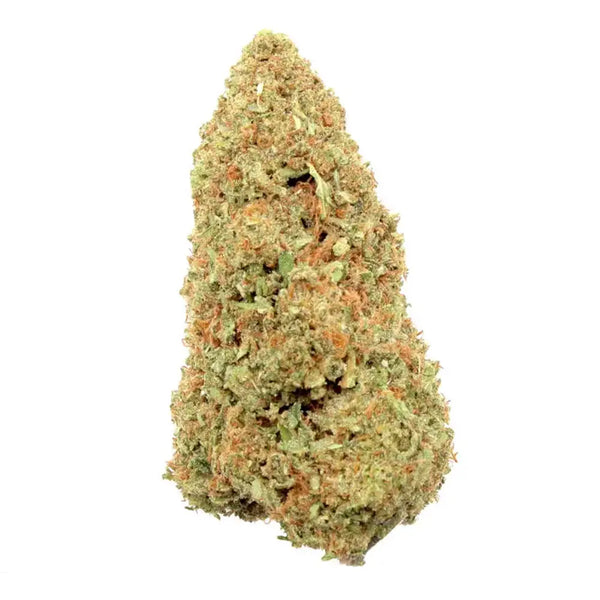
Paradise OG Outdoor CBD Flower
Sandalwood • Vanilla • Berry
 USA
USA
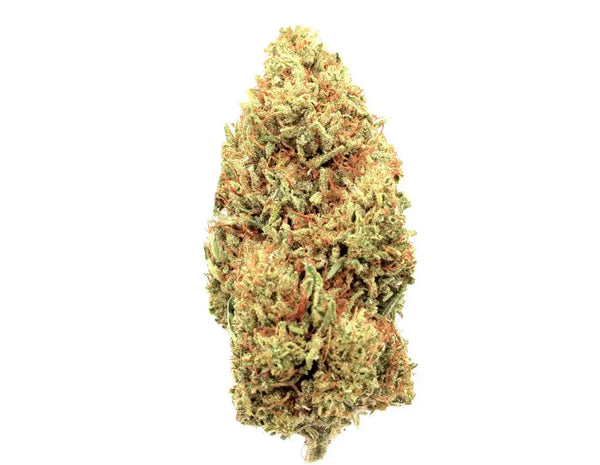
Master OG CBD Flower
Pine • Berry • Earthy
 USA
USA
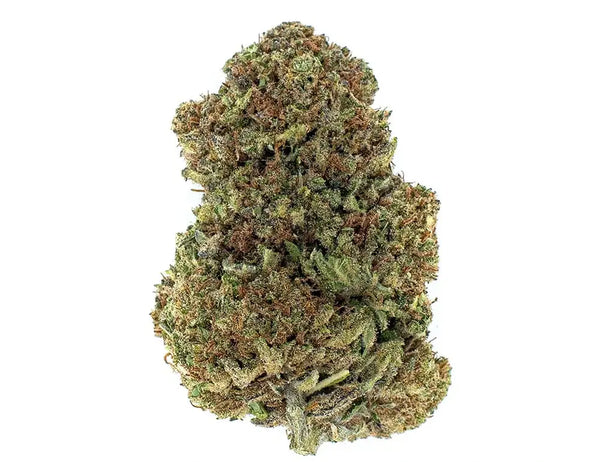
Golden Berries CBD Flower
Berry • Spiced • Pine
 USA
USA
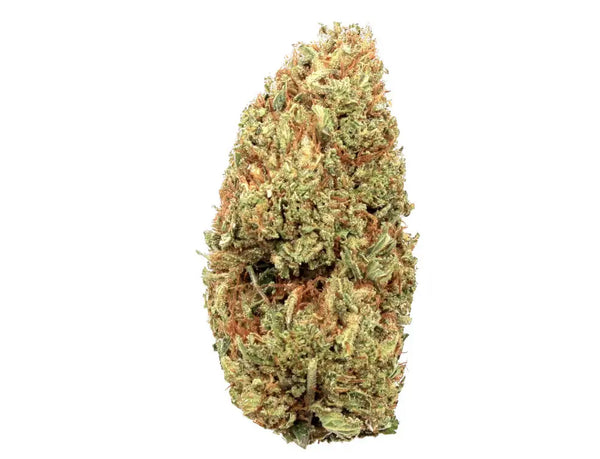
Godfather OG Outdoor CBD Flower
Kush • Pine • Spiced
 USA
USA
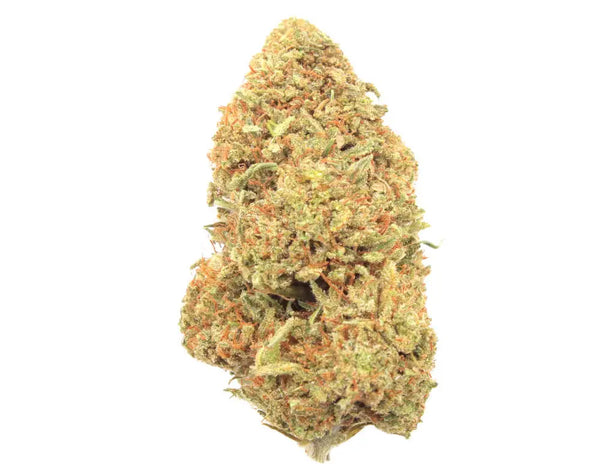
Fruity Pebbles OG CBD Flower
Tropical • Berry • Sweet
 USA
USA
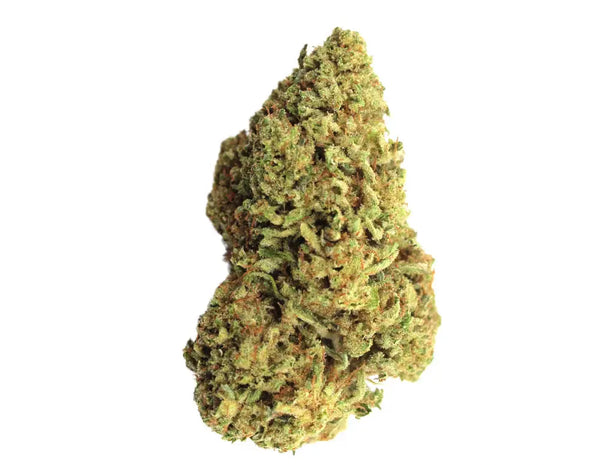
Glass Slipper CBD Flower
Pineapple • Citrus • Floral
 USA
USA
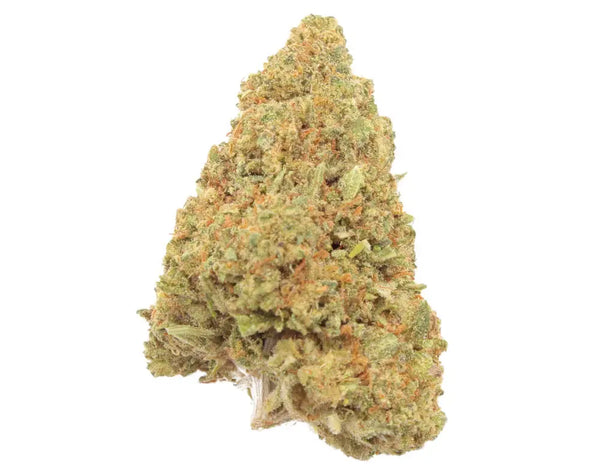
Dream Weaver CBD Flower
Floral • Citrus • Herbal
 USA
USA
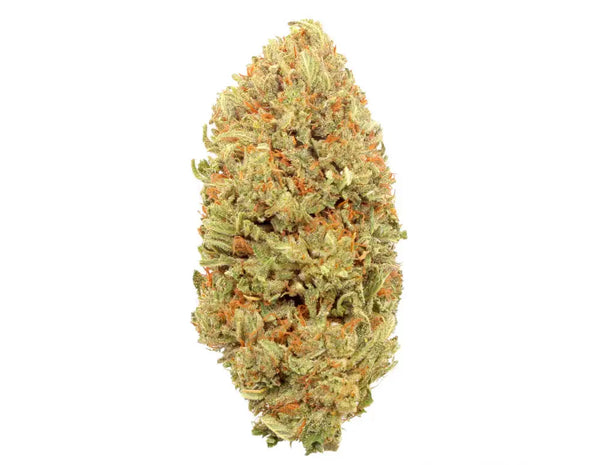
Cake Berry Brûlée CBD Flower
Berry • Vanilla • Citrus
 USA
USA
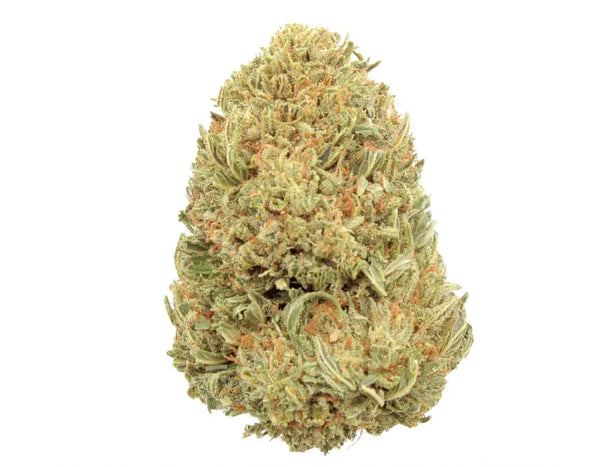
Bubba Kush 66 CBD Flower
Coffee • Dank • Earthy
 USA
USA
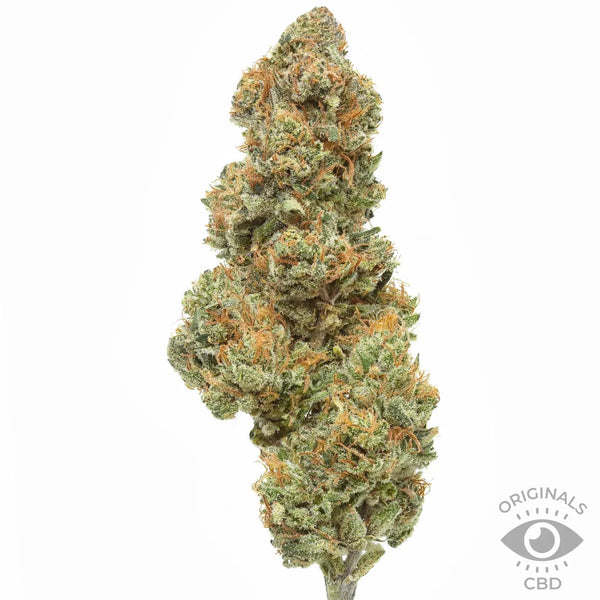
Bubba Kush 18 CBD Flower
Earthy • Coffee • Spiced
 USA
USA
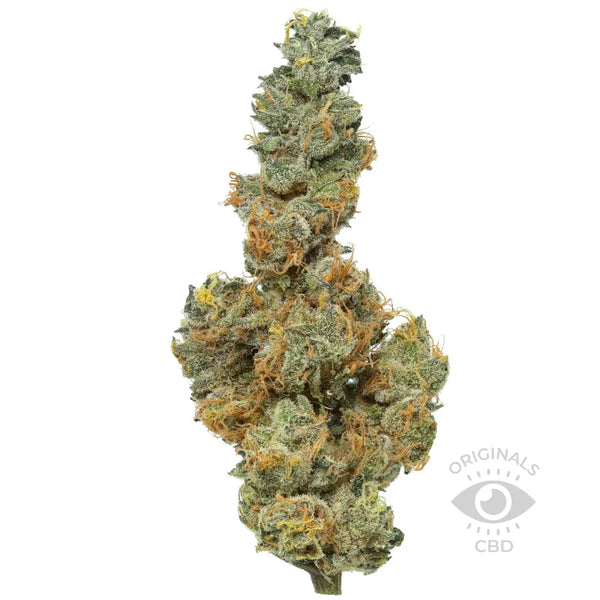
Mystery O.Z. CBD Flower
Floral • Perfume • Earthy
 USA
USA
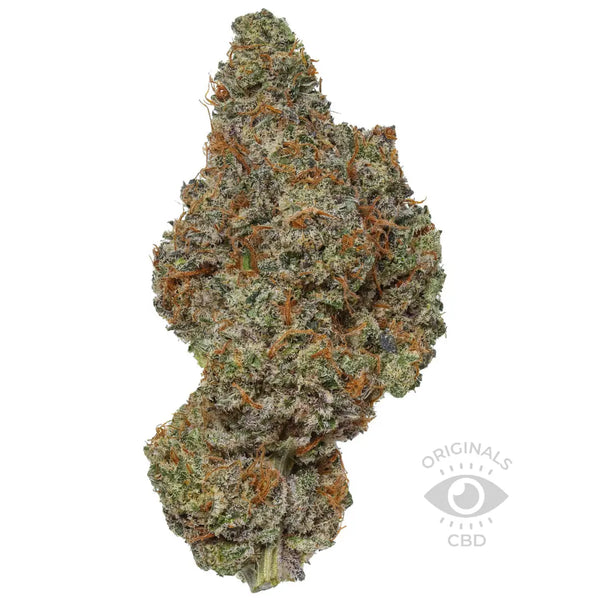
Applesauce CBD Flower
Apple • Spiced • Earthy
 USA
USA
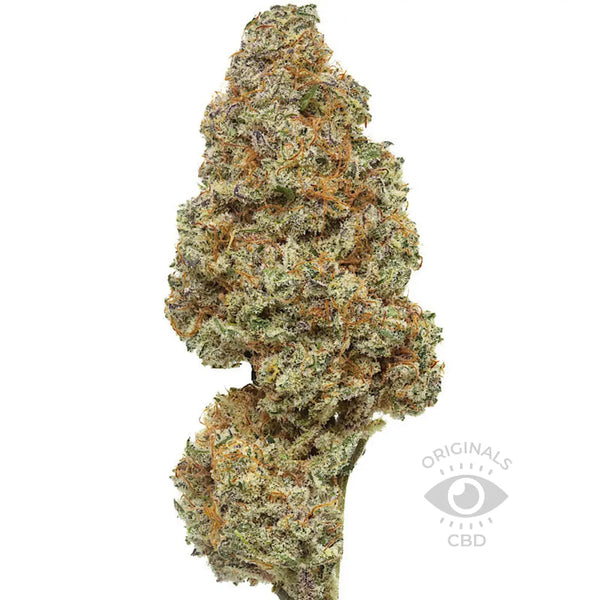
Yak Butter CBD Flower
Cheese • Creamy • Earthy
 USA
USA
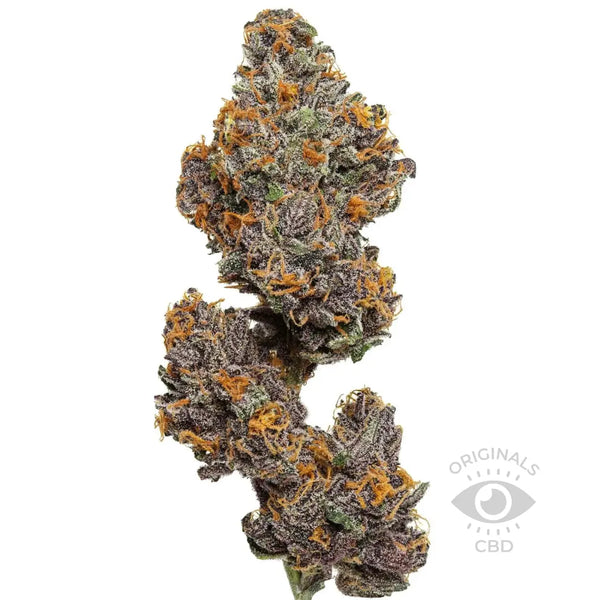
Fabled CBD Flower
Cookie • Mint • Citrus
 USA
USA
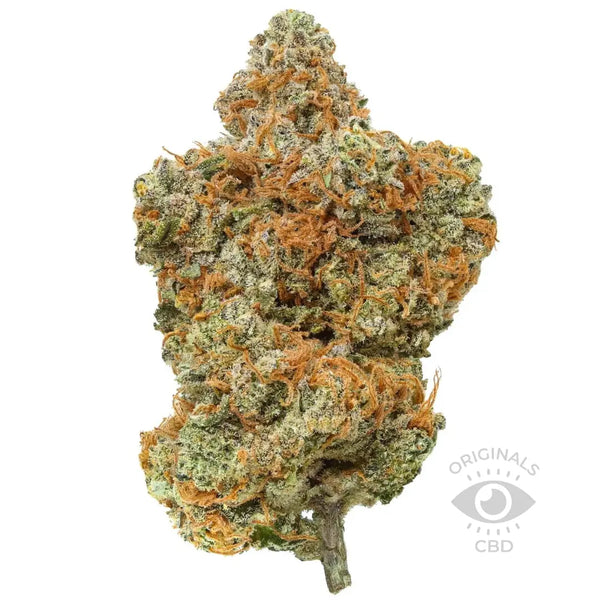
Legendary Platinum OG CBD Flower
Lemon • Floral • Earthy
 USA
USA
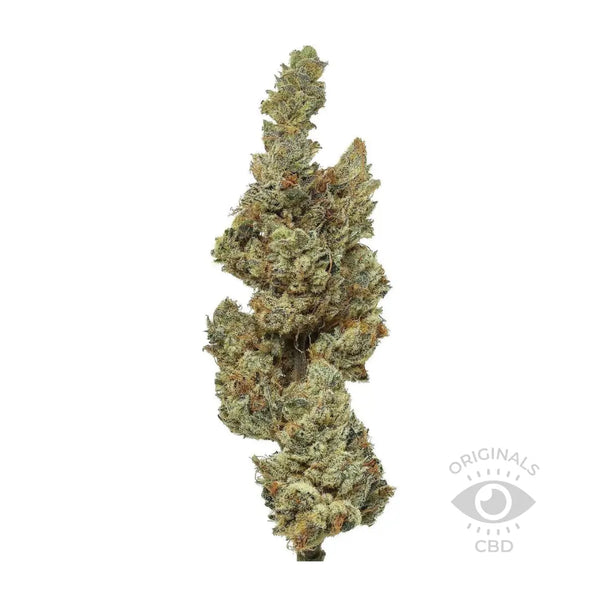
Interstellar CBD Flower
Earthy • Spiced • Funky
 USA
USA
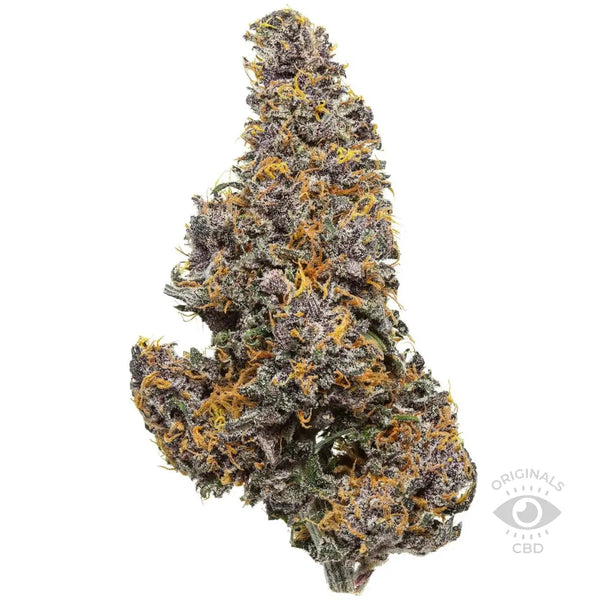
Wizard of OZ CBD Flower
Lemon • Cake • Strawberry
 USA
USA
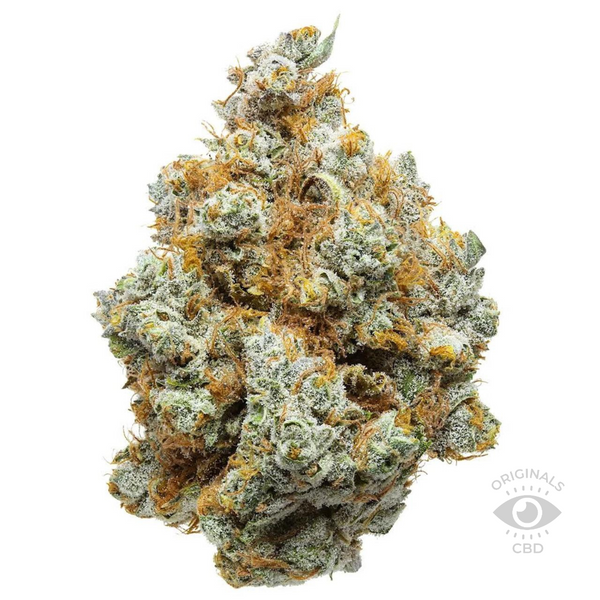
Blue Meringue CBD Flower
Blueberry • Cream • Herbal
 USA
USA
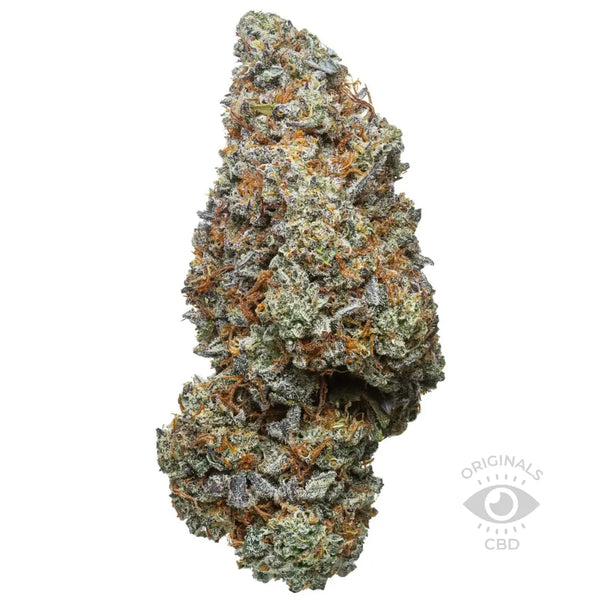
White Cheddar CBG Flower
Cheese • Creamy • Herbal
 USA
USA
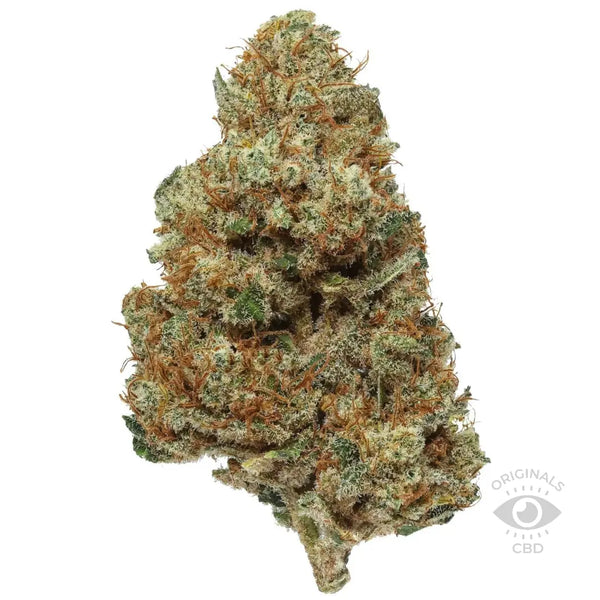
Skunk Butter CBD Flower
Skunky • Buttery • Earthy
 USA
USA
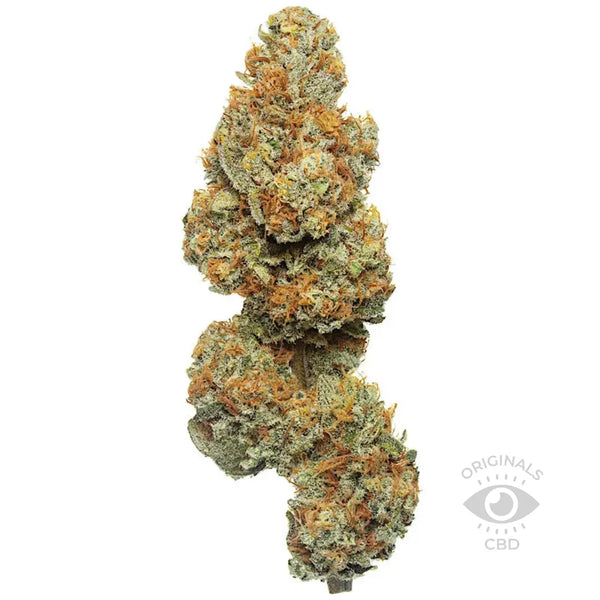
Wipeout CBD Flower
Gassy • Pine • Sweet
 USA
USA
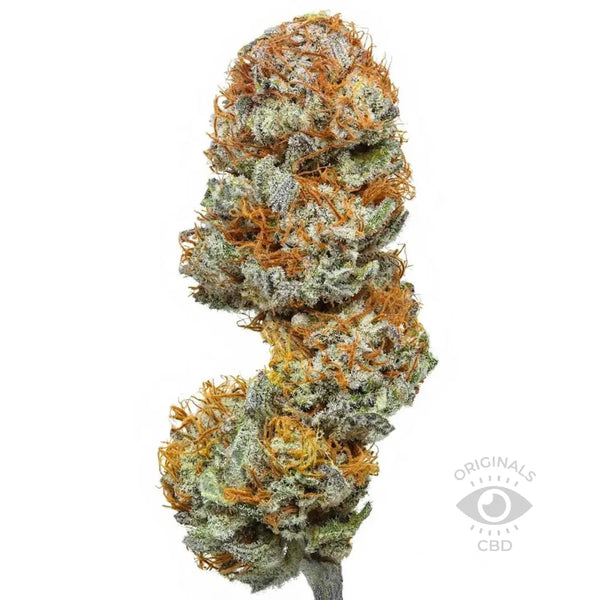
Mango Tree CBD Flower
Mango • Tropical • Sweet
 USA
USA
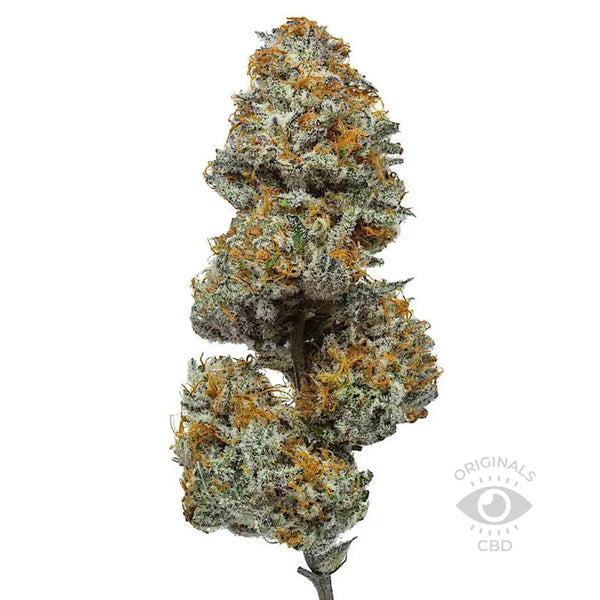
Blueberry Cough Drops CBD Flower
Blueberry • Cherry • Funky
 USA
USA
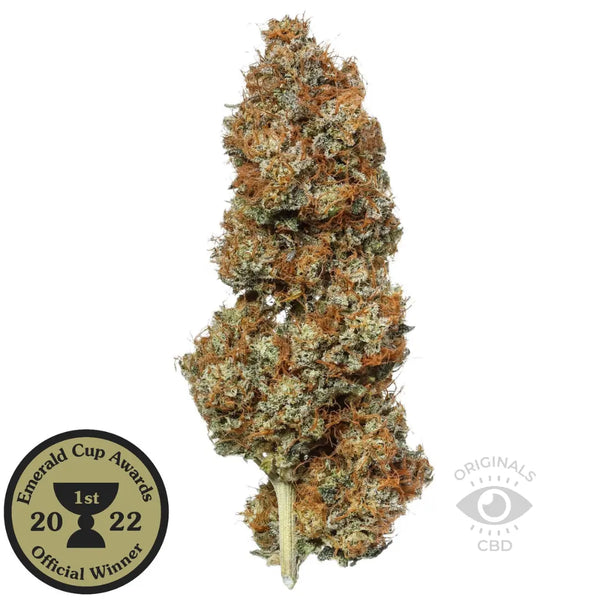
Paradise OG Indoor CBD Flower
Sandalwood • Vanilla • Lime
 USA
USA
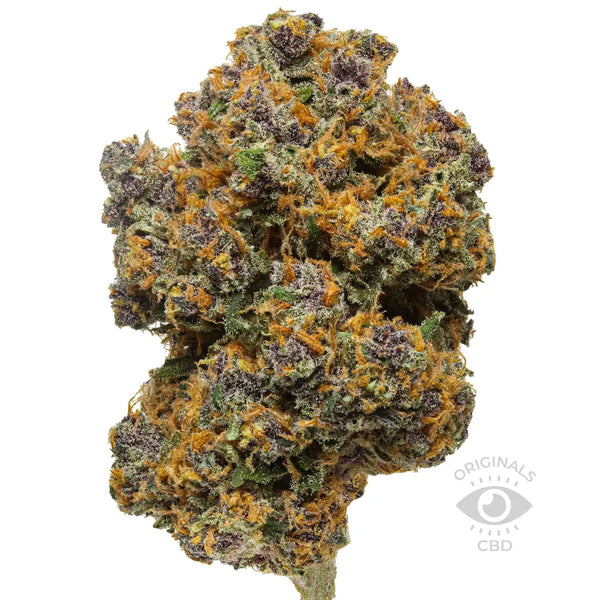
Orange Glaze #3 CBD Flower
Orange • Citrus • Gassy
 USA
USA
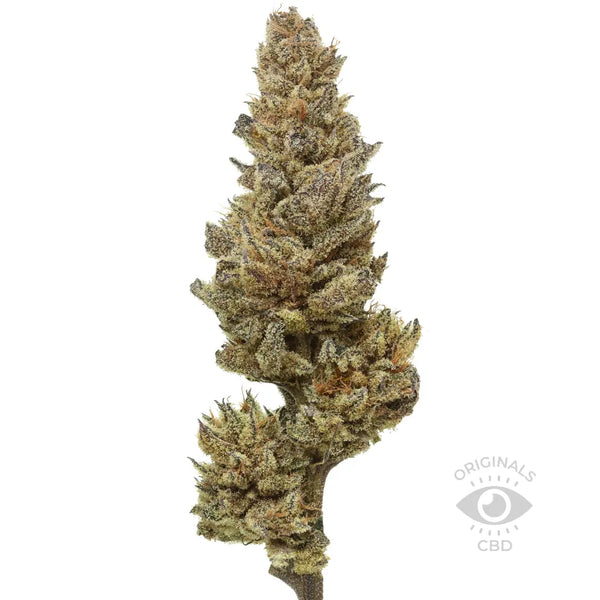
Shaolin Gleaux CBD Flower
Tangerine • Grapefruit • Gassy
 USA
USA
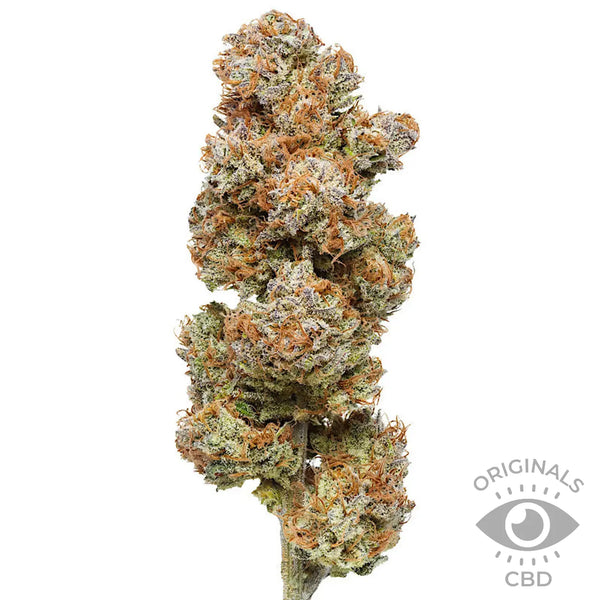
Wild Berries CBD Flower
Berry • Sweet • Earthy
 USA
USA
Sour Tsunami CBD Flower
Grape • Lime • Fuel
Trusted by CBD Customers Across the UK
Originals is a UK CBD shop built on doing things properly. Every review below is from a verified UK buyer, in their own words.
Aroma & character
The terpenes in your flower
Terpenes are the natural compounds that give hemp its distinctive aroma and character. They work alongside CBD to shape the overall experience. Select any terpene to learn more.

How we source
It starts with the flower
The whole operation exists for one reason: to find flower worth getting excited about, wherever in the world it grows. So if something's made it onto this page, it's not because it was cheap or easy to get hold of. It's because we thought it was worth chasing. Before a single gram makes the page, we get straight on three things.
How they grow
Organic or not, tilling or no-till, living soil, the nutrients, the light, the climate. We want the full picture of how a crop was raised before we go near it.
What they grow
The actual genetics. We care which strains a grower runs and how well they run them, not just the name on the label.
Who they are
Their standing in the industry, and whether they're long-established or just getting going. We back up-and-coming growers, not only the big names.
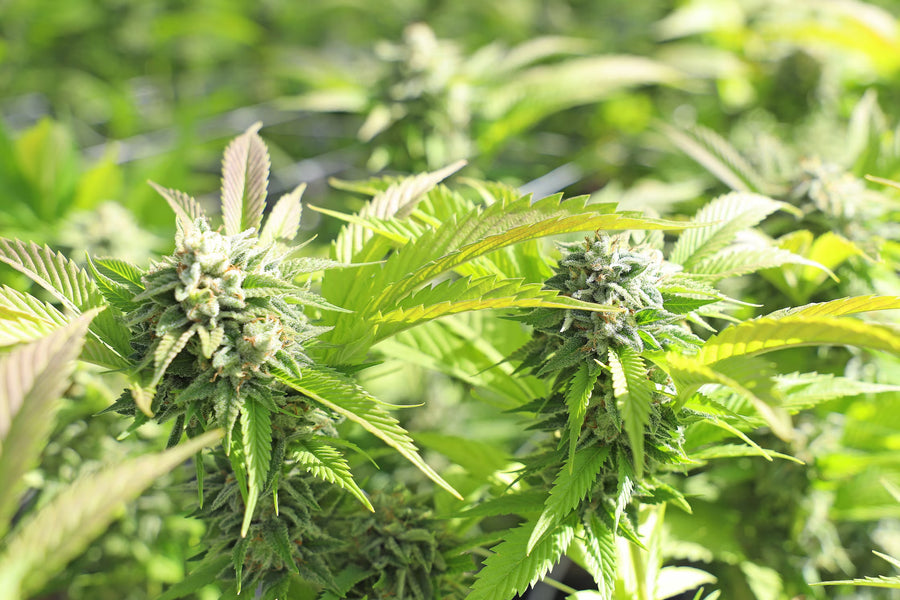
The grow detail
We go deep, because we can read it
We dig right into how a crop is raised: the soil, the feed, the light set-up, the terroir. The reason we ask that level of detail is simple. We've grown ourselves, old-school, under HPS, so we know what the answers should sound like.
That's the line between flower that's genuinely good and flower that just photographs well. Anyone can take a nice picture. Knowing what went into the grow is harder to fake, and it's what we're judging on.
The standard
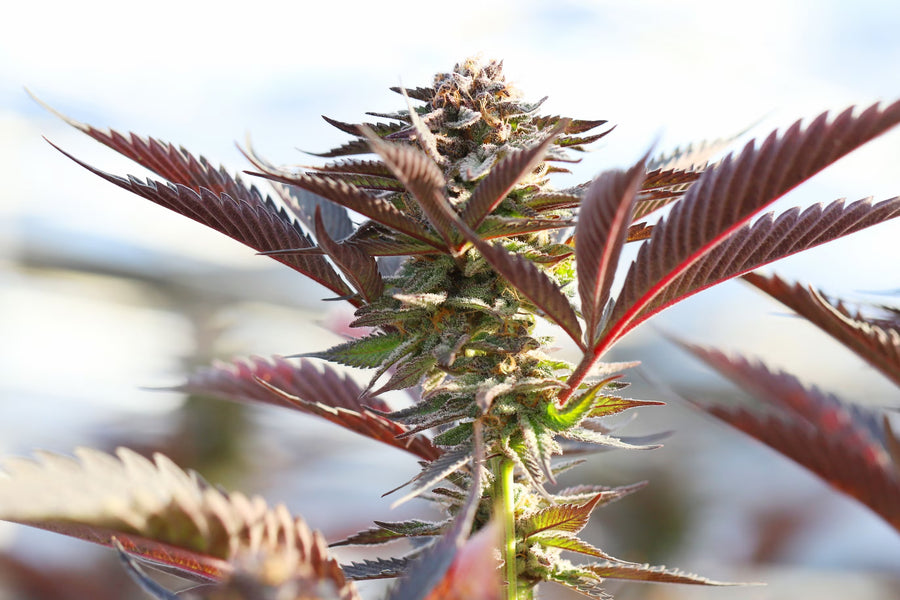
We say no a lot
Photos and video get a grower a long way. Sometimes we go further and have samples sent over so we can judge the flower in hand before we commit to anything.
And plenty of it doesn't clear the bar. We'd rather leave a gap on the page than fill it with something we're not sure about, which is why the range stays small, rotates often, and sometimes runs low or sells out. When it's gone, it's gone. We never quietly swap in filler to keep the shelves looking full.
The upshot
Real plant people
So you're not buying blind. We know this plant, and we'd rather prove it than say it. Every product page lays out the detail that actually matters: the dominant terpenes, the full cannabinoid breakdown, and the genetics and origin behind the flower. It's the same information we judge a batch on, put in front of you so you can weigh it up yourself.
And if you want to go deeper on the genetics, the terpenes or how a batch was grown, Ste, our in-house specialist, is happy to get into the detail. You can reach him through the contact form or by emailing sales@originalscbd.co.uk. For a broader introduction to CBD, our CBD guide covers the fundamentals.
Independent reviews
Reviewed, not just listed
We're building a library of honest, independent strain reviews, written by Benzil, a long-standing customer who reviews independently of the brand. We send him product to review, and he buys some himself too. Either way, he writes up exactly how it landed. More going live as we work through the range.
Reviews are written independently. We provide product for review but have no editorial control over what's said.
Read the reviews so far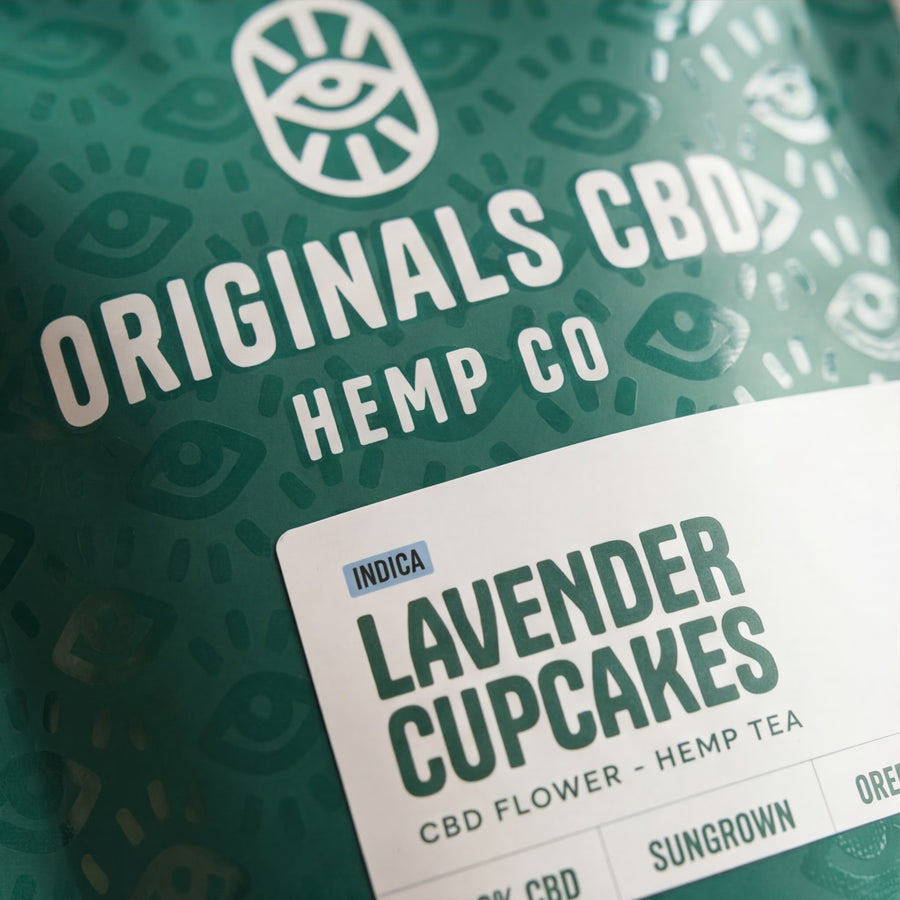
BUYER'S GUIDE
How to Choose CBD Flower
CBD flower is the dried, cured bud of the hemp plant. Same plant as cannabis, grown and tested to stay inside UK legal limits. The catch is that "CBD flower" covers everything from genuinely excellent buds to dry, tired filler sold at the same price. Here's what actually separates the two, and how to read a product page so you know which one you've got.
CBD Percentage
The CBD percentage tells you how much cannabidiol is in the flower, nothing more. People treat it like a quality score. It isn't. Anything in the 10–20% range is strong flower, and most people stop noticing much difference past the middle of that band. CBD is also just one cannabinoid of many: it works alongside minor cannabinoids like CBG and CBC and the plant's terpenes, and it's that wider profile working together, often called the entourage effect, that shapes a strain's character more than any single headline number.
What carries a strain is the terpene profile and how it was grown. A 12% bud with a deep, layered terpene profile usually beats a 20% bud grown flat-out for yield. We list the percentage on every product so you can judge for yourself, not because a bigger number is a better buy. You'll find honest flower at both ends: premium CBD flower at the top, and budget flower priced down for reasons we'll always tell you.
Strain Type: Indica, Sativa & Hybrid
Strain type is a rough guide, not a rulebook. Indica-dominant strains tend to feel heavier and more settled, which is why a lot of people reach for them in the evening. Sativa-dominant strains lean lighter and brighter, better suited to the daytime. Hybrids sit somewhere between, and they make up most of what we sell.
Don't over-index on the label. Two indicas can land completely differently depending on their terpenes and genetics. The lineage matters as much as the type, and our range runs from American cali-style genetics through to European classics.
Here's where the terpene profile earns its keep. Terpenes are the aromatic compounds that give each strain its smell, and they're the real tell. Take three you'll see listed on our pages. Myrcene reads earthy and musky, a heavier, almost herbal note. Limonene is exactly what it sounds like: bright, sharp, citrus-peel. Caryophyllene brings the peppery, spicy edge you get in cracked black pepper. A bud heavy in limonene will smell and taste worlds apart from one dominated by myrcene, even if both are labelled indica. That's why we list the dominant terpenes on every product page. The word "indica" tells you the shelf; the terpene profile tells you the strain.
Grow Method: Indoor, Greenhouse & Sun-Grown
How a plant was grown shapes how it looks and smells. Indoor-grown flower is usually denser, more consistent batch to batch, and higher in CBD, because everything about the environment is controlled. Sun-grown flower gets longer cycles and natural light, which often builds a richer, more complex terpene profile, though the buds can be looser. Greenhouse flower splits the difference between the two.
None of these is the "best" method. They're different, and they suit different tastes. Where the flower was grown matters too: a lot of our range is American flower, which is where most of the work on high-CBD (Type 3) genetics is happening, alongside European-grown flower we can trace properly. We note the grow method on every product so it's never a guess.
Reading the Lab Report
Every product in our CBD range is independently tested by a third-party laboratory, and the cannabinoid breakdown is published on the product page. Two things to check before you buy, from us or anyone. First, does the CBD percentage on the lab result match what the listing claims? Second, is the THC under the 0.2% legal limit? A real report shows both, plus the wider cannabinoid profile.
That wider profile is worth understanding. Beyond CBD and THC, a lab result often lists minor cannabinoids: CBG, CBN and CBC are the usual ones you'll see in small percentages. They're part of what makes one batch read differently from another, and they're why flower is what's called full-spectrum: you're getting the natural range of cannabinoids the plant produced, trace THC included but kept under the legal limit. (You might see "broad-spectrum" or "isolate" elsewhere, but those are extract terms you'll meet on oils, where the THC or everything-but-CBD has been stripped out. They don't apply to whole flower.)
One more thing that matters: a real report is batch-specific. It's tied to the exact harvest you're buying, not a generic certificate reused across the catalogue. If the numbers never change from product to product, be suspicious.
If a seller can't show you independent results, that's your answer. Lab reports for our flower are available on request.
American & European Genetics
Genetics are where a strain's character comes from, and ours come from two broad camps. American cali-style genetics are where we specialise: the US craft scene is doing the real work on Type 3 (high-CBD) genetics, and it shows in the louder, fruitier, more pungent profiles it's known for. European-grown flower brings the classic, well-established hemp lineages, grown closer to home and easy to trace through the supply chain.
Neither is better. It's a flavour choice, and a lot of our customers keep both on the go depending on the mood. Every product names its genetics and origin, so you're choosing on facts, not a vague "imported" label.
Storing CBD Flower
Good flower doesn't stay good on its own. The terpenes that give a strain its smell and character are volatile, and light, heat and air all wear them down over time. Store it badly and within a few weeks the aroma flattens and the bud dries out.
The fix is simple. Keep it in an airtight container, somewhere cool and dark, well away from a sunny windowsill or a warm radiator. An old sandwich bag won't cut it: it lets air in and crushes the buds. Glass is better than plastic, and amber or violet glass goes a step further by blocking the light that degrades terpenes fastest. We stock proper storage jars if you want to do it right. Stored well, a good bud holds its character for months instead of fading in a fortnight.
CBD Flower FAQs
In short, yes, as long as the finished product contains less than 1mg of a controlled cannabinoid per preparation, the threshold a CBD product has to stay under to be legal to sell in the UK. All our flower meets that, and it's independently tested to prove it. The full picture (the law, the limits, and the grey areas worth knowing) is covered in our guide on whether CBD flower is legal in the UK.
Right here. We're a UK-based shop and we deliver across the UK, with next-day delivery on orders placed before 1pm, Monday to Friday. Everything arrives in plain, discreet packaging. The thing worth checking wherever you shop is whether the seller publishes a cannabinoid breakdown and can produce lab results. We do both.
That depends on what you care about. Ours is built on one thing: telling you exactly what's in the bag. Every product lists its dominant terpenes, full cannabinoid breakdown, and genetics and origin, with lab reports on request. Plenty of UK shops are good. Far fewer show their working. If you want to see how we line up against others, we've written an honest comparison of the main UK CBD flower shops.
No. CBD flower is grown from industrial hemp and contains only trace THC, kept under the 0.2% legal limit, which is nowhere near enough to produce the intoxication you'd get from high-THC cannabis. It looks and smells like cannabis because it's the same plant, but the cannabinoid makeup is different. The lab report on each product confirms the THC level.
Effectively, yes. "CBD flower" and "hemp flower" describe the same thing: the dried, cured bud of a low-THC hemp plant grown for its CBD and terpenes rather than for THC. "Hemp flower" is the broader, more technical term; "CBD flower" is what most people search for. You'll see both used across our range and they mean the same product.
It comes down to the growing environment. Indoor flower is grown under fully controlled light and climate, which usually gives denser, more uniform buds and higher CBD. Greenhouse flower uses natural sunlight with some climate control, often producing a more varied terpene profile at a gentler price. Neither is better, they just suit different preferences, and we note the grow method on every product so you can choose.